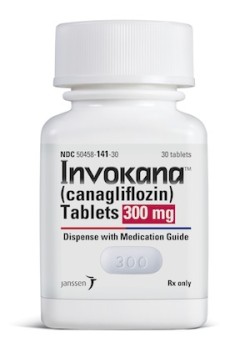
 The FDA wants patients using the diabetes drug Invokana to be aware of the risk of ketoacidosis associated with that medication.
What is Ketoacidosis?
Cells regularly metabolize glucose to get the energy they need. But sometimes cells don’t get enough glucose to satisfy their energy needs.
In patients with type 1 diabetes, this condition sometimes occurs when a shortage of insulin prevents cells from getting the glucose they need from the blood.
When they can’t get enough glucose, cells may burn more fat instead.
Fat metabolism produces chemical structures called ketones and releases them into the bloodstream. Ketones are acidic, and they can increase the overall acidity of the blood.
Ketoacidosis occurs when there is a toxic excess of ketones in the bloodstream. The condition is considered a medical emergency, as it can lead to coma or death.
Patients with either type of diabetes can be at risk for ketoacidosis. However, diabetic ketoacidosis is typically associated with type 1, and it rarely occurs in patients with type 2.
For that reason, the FDA has noted that the ketoacidosis associated with diabetes drug Invokana is different from typical diabetic ketoacidosis.
Typical DKA occurs in patients with type 1 diabetes, and it usually occurs in the presence of higher than normal blood sugar levels.
In announcements issued in May and December 2015, the FDA noted that ketoacidosis associated with Invokanawere different in that they occurred in patients with type 2 diabetes, and they also occurred while those patients’ blood sugar levels were only slightly elevated.
The agency noted that in some cases of ketoacidosis reported to its adverse event reporting system, treatment of the condition was delayed because of the patients’ lower-than-expected blood sugar levels.
FDA Orders Label Revision for Diabetes Drug Invokana
The FDA made those observations in the course of announcing an update to the labeling for an entire class of medications that includes the diabetes drug Invokana.
In that update, the agency added new warnings and precautions to the label for Invokana to address the risk of ketoacidosis.
The FDA now recommends that patients taking Invokana or other SGLT2 inhibitors should stop taking them and seek medical attention immediately if they experience any symptoms of ketoacidosis.
These symptoms as listed by the FDA can include “nausea, vomiting, abdominal pain, tiredness, and trouble breathing.”
New Wave of Invokana Litigation Starts to Build
Concerns over ketoacidosis and other possible Invokana side effects have led to a new wave of products liability lawsuits.
Several such claims have been filed in Pennsylvania state court in Philadelphia, and dozens of others have been filed in Missouri and Illinois.
Attorneys involved in the litigation say enough claims may ultimately be filed to warrant multidistrict litigation status in the federal court system.
Generally, plaintiffs in these cases allege that Invokana’s manufacturer Janssen Pharmaceuticals and its parent company Johnson & Johnson failed to adequately warn patients and doctors about the dangers associated with Invokana side effects.
Ketoacidosis is just one of the possible complications at issue. Various plaintiffs attribute other problems to the diabetes drug Invokana – conditions like heart attack, kidney damage, stroke, blood infections, and urinary tract infections.
In general, Invokana lawsuits are filed individually by each plaintiff and are not class actions.
Do YOU have a legal claim? Fill out the form on this page now for a free, immediate, and confidential case evaluation. The attorneys who work with Top Class Actions will contact you if you qualify to let you know if an individual lawsuit or class action lawsuit is best for you. Hurry — statutes of limitations may apply.
ATTORNEY ADVERTISING
Top Class Actions is a Proud Member of the American Bar Association
LEGAL INFORMATION IS NOT LEGAL ADVICE
Top Class Actions Legal Statement
©2008 – 2026 Top Class Actions® LLC
Various Trademarks held by their respective owners
This website is not intended for viewing or usage by European Union citizens.
Get Help – It’s Free
Join a Free Invokana Class Action Lawsuit Investigation
If you or a loved one suffered ketoacidosis or kidney failure after taking Invokana, you may have a legal claim. See if you qualify to pursue compensation and join a free diabetes medication class action lawsuit investigation by submitting your information for a free case evaluation.
An attorney will contact you if you qualify to discuss the details of your potential case.
Please Note: If you want to participate in this investigation, it is imperative that you reply to the law firm if they call or email you. Failing to do so may result in you not getting signed up as a client, if you qualify, or getting you dropped as a client.
Oops! We could not locate your form.