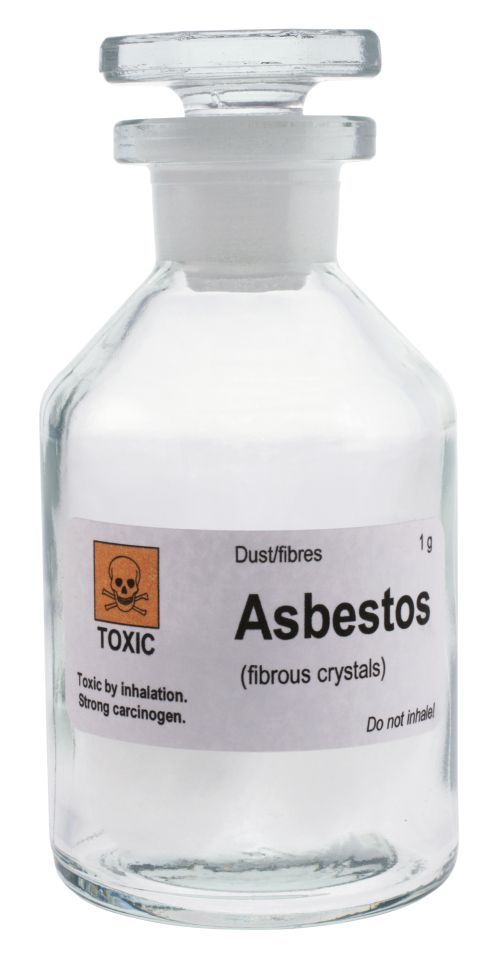
Asbestos has been commonly used in manufacturing materials for decades, but took a hit in popularity in the 1990s. At that point in time, numerous people began reporting cases of mesothelioma, asbestos lung cancer, and other consequences of asbestos fibers.
Cancers relating to asbestos have become a widespread concern throughout the United States, with many of the victims being previous manufacturing workers and U.S. Military veterans. In these occupations, many of the tools or materials they worked with contained asbestos and they were exposed to the substance on a daily basis. Additionally, the family members of these victims most likely also came down with similar conditions, due to second-hand asbestos exposure.
When asbestos health concerns are mentioned, most first think of the rare lung cancer, mesothelioma. This is not to be confused with asbestos lung cancer, which differs in prognosis, treatment, and area of infection. Mesothelioma is when the thin mucous membrane surrounding the lungs is compromised with cancer cells, which is specifically caused by the lung scarring left by inhaled asbestos fibers. Asbestos lung cancer is also caused by the damages left by asbestos fibers, but the lungs are attacked directly.
Both of these forms of cancer are extremely rare, but are just as devastating as other aggressive cancers. In fact, patients are often more shaken when they are diagnosed because asbestos lung cancer takes years to show any symptoms. Mesothelioma can take as long as 50 years to develop. Because of the lack of visible symptoms, these cancers are often diagnosed in latent stages, leaving few treatment options. Those who are diagnosed with asbestos lung cancer or mesothelioma are often on treatment for the rest of their lives.
As unfortunate as these conditions are, most legal experts find the lack of preventative measures from their former employers worse. Many asbestos lung cancer victims have taken legal action against their former places of employment for failing to protect them against the dangers of asbestos. These companies allegedly knew the dangers of asbestos, but had notified their employees or their families.
Overview of Asbestos Lung Cancer Complications
According to the World Health Organization (WHO), approximately half of all occupational cancer fatalities are caused by asbestos. Many experts believe it is because asbestos was so commonly used before the 1990s, exposing numerous men and women to long-term health consequences. The concern of asbestos lung cancer became prevalent in 1935, when researchers conducted the first scientific inquiry into the potential side effects of asbestos. After the study was finished in 1942, the National Cancer Institute confirmed that asbestos could indeed cause lung cancer.
Later on in 1986, the Occupational Safety and Health Administration (OSHA) proclaimed that lung cancer was the greatest risk for workers who were exposed to asbestos. Asbestos lung cancer still remains a greater risk than mesothelioma, because of the rarity of the mucous lining disease. Experts warn that former industry workers from the U.S. Military, shipyards, factories, and other manufacturing occupations may be at the highest risk for asbestos lung cancer or mesothelioma. Additionally, family members of these former laborers are also at risk from washing or handling work clothes because they inhale the fibers caught on the material.
Medical experts explain that the health concerns of asbestos fibers start when the asbestos sites are damaged or disturbed, which releases the fibers into the air. Once the fibers are inhaled through either the nose or mouth, the fibers become lodged in the patient’s lungs. These fibers then lodge themselves into different areas of these body parts, causing scarring or festering for decades.
As mentioned before, numerous asbestos victims have filed legal action against their former employers and other manufacturing companies. As of now, it is the longest-running mass tort in the history of the United States with over 600,000 plaintiffs, over 6,000 defendants, and hundreds of thousands in settlements.
Do YOU have a legal claim? Fill out the form on this page now for a free, immediate, and confidential case evaluation. The attorneys who work with Top Class Actions will contact you if you qualify to let you know if an individual asbestos lawsuit or asbestos class action lawsuit is best for you. [In general, asbestos lung cancer lawsuits are filed individually by each plaintiff and are not class actions.] Hurry — statutes of limitations may apply.
ATTORNEY ADVERTISING
Top Class Actions is a Proud Member of the American Bar Association
LEGAL INFORMATION IS NOT LEGAL ADVICE
Top Class Actions Legal Statement
©2008 – 2026 Top Class Actions® LLC
Various Trademarks held by their respective owners
This website is not intended for viewing or usage by European Union citizens.
Get Help – It’s Free
Join a Free Asbestos Lung Cancer Class Action Lawsuit Investigation
If you or a loved one were exposed to asbestos and developed mesothelioma, lung cancer, or cancer in the lining of the lungs, abdomen or chest cavity, you may be able to take legal action against the companies responsible. Don’t delay – in most states the statute of limitations is two years to file an asbestos lawsuit after you’re diagnosed. Obtain a free and confidential case evaluation be filling out the form below.
An attorney will contact you if you qualify to discuss the details of your potential case at no charge to you.