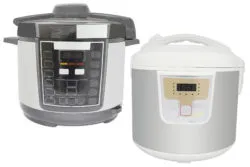
 A South Dakota woman says Cuisinart pressure cooker problems made her cooker explode, scattering scalding-hot food all over her.
Plaintiff Shelly W. has initiated a Cuisinart pressure cooker problems lawsuit saying that the manufacturer of these popular cooking devices has failed to warn consumers that they face a serious risk of injury.
According to the Cuisinart pressure cooker problems lawsuit, the pressure cookers operate with steam trapped inside the pot, which builds up pressure to create hotter temperatures.
Most consumers do know that the product works by using high levels of pressure and steam to prepare food quickly. but a growing number of lawsuits allege that defects in these cookers create a risk of explosions. The dangers of these pressure cookers due to the high temperatures and levels of pressure pose injury risks for consumers who have no idea about the dangers until it is too late.
The Cuisinart pressure cooker problems lawsuit says that despite Cuisinart’s claims that the pressure cookers are safe, the company is responsible for the design, marketing, manufacturing, and selling of products that suffer from dangerous and serious defects. Shelly alleges that during routine and ordinary operation carried out by consumers, the safety lid, which is supposed to lock and prevent pressurizing until the lid has been closed, does not operate effectively.
According to the Cuisinart pressure cooker problems lawsuit, the built-up steam and pressure inside of the pressure cooker can get trapped inside. Shelly claims that despite the presence of a safety locking mechanism on the lid, it’s still possible for someone to open the cooker even when pressure is still high inside it.
Shelly says that if this lid bursts off or is opened by someone else despite the alleged lock feature, this could lead to significant painful personal injury when the scalding hot contents erupt from the appliance. The Cuisinart pressure cooker problems lawsuit says that the primary issue is the defective lid locking mechanism.
The Cuisinart pressure cooker problems claim says that the lid locking safety feature is far too easy overcome, allowing the lid to be removed and rotated when there is still significant pressure inside the unit.
Furthermore, she says other defects allegedly associated with this pressure cooker involve allowing the pressure cooker to completely pressurize without the lid being securely attached, which means that the lid can suddenly detach from the cooker without any warning. The internal pressure inside the cooking device at that point in time can discharge scalding hot contents across the room and onto consumers in the nearby area, she claims.
The Cuisinart pressure cooker problems lawsuit says that this defect poses a severe safety risk to consumers and the public. She says the pressure cooker models at issue in her lawsuit are the Cuisinart model no. CPC-600 series and all other Cuisinart electric pressure cooker models that are sold by the company with a substantially similar design.
The lawsuit says that the manufacturers either knew or failed to discover the risks and problems associated with this issue and have put consumers at risk as a result.
The Cuisinart Pressure Cooker Problems Lawsuit is case 3:18-cv-01284-MPS, filed in the U.S. District Court for the District of Connecticut.
Join a Free Pressure Cooker Class Action Lawsuit Investigation
If you experienced a pressure cooker explosion and were injured and/or suffered other damages, you may have a legal claim. Filing a personal injury pressure cooker lawsuit or joining a pressure cooker class action lawsuit could help you recover expenses related to medical bills, property damage, pain and suffering, and more.
Fill out the form on this page now for a FREE case evaluation.
Get Help – It’s Free
Join a Free Pressure Cooker Class Action Lawsuit Investigation
If you qualify, an attorney will contact you to discuss the details of your potential case at no charge to you.
PLEASE NOTE: If you want to participate in this investigation, it is imperative that you reply to the law firm if they call or email you. Failing to do so may result in you not getting signed up as a client or getting you dropped as a client.
E-mail any problems with this form to:
[email protected].
Oops! We could not locate your form.