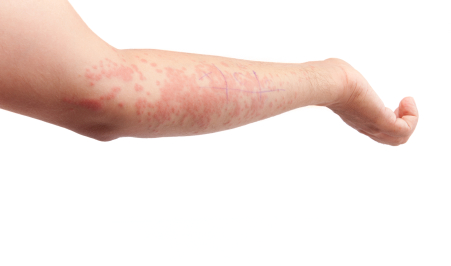
 Procardia (Nifedipine) is a dihydropyridine calcium channel blocker that is primarily used to treat hypertension. It was developed in the 1970s by Bayer Pharmaceuticals, and began to be used in the United States in the 1990s. Despite its success, it has been learned that Procardia may now cause the notorious skin reaction Stevens Johnson Syndrome (SJS).
Procardia Stevens Johnson Syndrome Complications
Procardia is just one of many medications associated with Stevens Johnson Syndrome. SJS is a rare and severe allergic skin reaction. SJS can quickly evolve into its latent cousin, Toxic Epidermal Necrolysis (TEN). Both conditions are identified by red or purple skin lesions which appear in different areas on the patient’s body. SJS typically covers about 10 to 30 percent of the body, while TEN can cover up to 90 percent of the body. Additionally, these conditions can cause permanent scarring and damage the patient’s eyesight.
If Stevens Johnson Syndrome were to occur, it typically would occur within the first two weeks of starting the medication, and would start with flulike symptoms followed by discolored lesions. Due to the nature of the injuries associate with SJS and TEN, patients are often treated as burn patients. For this reason, when patients are diagnosed they are treated with the utmost urgency, due to the rapid progression of this reaction.
Despite the severity of this condition, pharmaceutical companies seldom mention Stevens Johnson Syndrome on their products’ labels. While it is a rare condition, with only 300 cases diagnosed in the United States per year, the consequences are serious enough for the U.S. Food & Drug Administration (FDA) to send citations to companies who are found not to have included a warning about SJS when it was a known side effect. Even if pharmaceutical companies were unaware of SJS side effects, post-market testing would be required to gather the necessary data. Many patients have sued pharmaceutical companies for not properly adding adequate language to their label about this condition.
File a Stevens Johnson Syndrome Injury Lawsuit Today
If you believe that you or a loved one have been the victim of a Stevens Johnson Syndrome injury, you have legal options. Please visit the Stevens Johnson Syndrome (SJS) & Toxic Epidermal Necrolysis (TEN) Class Action Lawsuit Investigation. There, you can submit your claim for a free legal review and if it qualifies for legal action, a seasoned Stevens Johnson Syndrome lawyer will contact you for a free, no-obligation consultation. You will be guided through the litigation process at no out-of-pocket expenses or hidden fees. The Stevens Johnson Syndrome attorneys working this investigation do not get paid until you do.
ATTORNEY ADVERTISING
Top Class Actions is a Proud Member of the American Bar Association
LEGAL INFORMATION IS NOT LEGAL ADVICE
Top Class Actions Legal Statement
©2008 – 2026 Top Class Actions® LLC
Various Trademarks held by their respective owners
This website is not intended for viewing or usage by European Union citizens.