
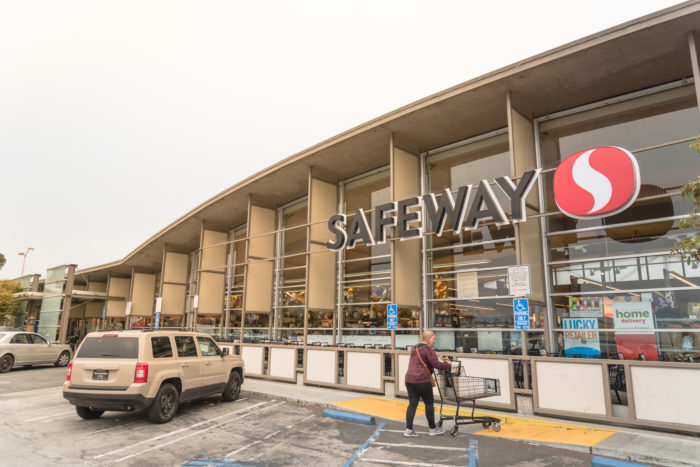
 A recent Safeway class action claims that the grocer charges their Portland, Ore. customers a one percent surcharge unlawfully.
The surcharge allegedly pays for a new clean energy tax that began in Portland at the beginning of the year. The tax applies to retailers who make over a certain amount in the U.S. and in Portland. The U.S. threshold is $1 billion and the Portland threshold is $500,000.
Businesses with a gross income from retail sales above these limits are required to pay the Portland clean energy tax. Co-ops, credit unions, health services, certain groceries and medicine, and utilities are reportedly exempt from the tax.
According to the recent Safeway class action, the grocery store doesn’t pay this tax and instead passes the costs over to the consumers instead.
“The surcharge was passed along to the customer to pay Safeway’s obligation to help fund the Portland Clean Energy Initiative,” attorney Michael Fuller told KGW8.
Plaintiff Joshua Gagnier allegedly experienced this surcharge on Oct. 18 while purchasing a bottle of wine. The Quail Oak Rose wine was reportedly advertised as costing $3.33 but Gagnier’s receipt showed a price that included an extra three cents.
Gagnier argues that this additional cost was a one percent surcharge designed to push off the Portland clean energy tax onto consumers.
“[Safeway] operated a common scheme to profit form the collection of misleading and unlawful surcharges that were not allowed by law,” the Safeway class action argues.
“As a matter of justice and equity, [Safeway] should not be able to retain the unlawful surcharges it collected from plaintiff and the other Class Members.”
Gagnier claims that the clean energy tax surcharge violates Oregon’s Unlawful Trade Practices Act because “the surcharge was not disclosed to the customer in the advertised price of the wine he purchased.” Deceptive surcharges like those allegedly charged by Safeway are reportedly prohibited under the state law.
The same lawyer representing Gagnier in court reportedly filed a similar surcharge class action lawsuit against AT&T. This AT&T class action claims that the cell phone provider passes the clean energy tax onto their consumers in the form of a surcharge. However, the company allegedly qualifies for the utility tax exemption, meaning that they shouldn’t have to pass on any tax in the first place.
The Safeway class action seeks restitution and injunctive relief in compensation for the financial losses allegedly sustained by Gagnier and the proposed Class.
Were you charged a one percent surcharge by Safeway in Portland? Let us know in the comment section below.
Gagnier and the proposed Class are represented by Michael Fuller of OlsenDaines.
The Safeway Surcharge Class Action Lawsuit is Gagnier v. Safeway Inc., Case No. 19-cv-45421, in the Circuit Court for the State of Oregon for Multnomah County.
ATTORNEY ADVERTISING
Top Class Actions is a Proud Member of the American Bar Association
LEGAL INFORMATION IS NOT LEGAL ADVICE
Top Class Actions Legal Statement
©2008 – 2026 Top Class Actions® LLC
Various Trademarks held by their respective owners
This website is not intended for viewing or usage by European Union citizens.

Suing for unpaid wages in California: Recover unpaid overtime, back pay and more
April 2, 2026 | Legal News






24 thoughts onSafeway Class Action Says 1% Surcharge is Illegal
I shop at Safeway South Salem Oregon, For pick up orders they charge tax and fees $2.70 also container fee $2.40 I understand the bag fee of .30. But container fee? They take the container with them when unload into the back of my car. This is on a $100 oder
I was in Portland for a week while my husband was in the Or. Health Center hospital. And, I shopped at Safeway for needed items…thank our wonderful Governor Kate Brown for another tax to the consumers. Please add me to the complaint.
Please add me. I tried to get an explanation from Safeway at checkout. The person couldn’t give me a good reason. Just told me they were required to make the charge and it was automatic from computer.