Tylenol’s Main Ingredient Cited for Liver Damage
By Amanda Antell
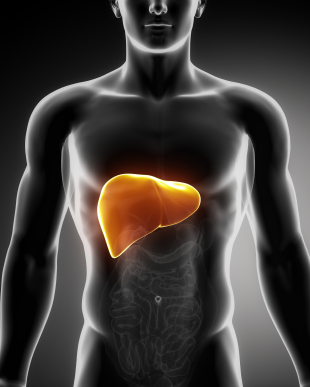 Tylenol is one of America’s most popular and widely used over-the-counter drugs, often used by patients to reduce pain, reduce fever and to relieve the symptoms of allergies, cold, cough, and flu. Despite its wide variety of uses, the active ingredient of Tylenol, acetaminophen, has recently been associated with severe liver damage and other serious health complications.
Tylenol was originally made by McNeil Laboratories in 1953, but eventually sold all its legal rights to Johnson & Johnson years later. The FDA approved Tylenol to treat simple to severe pain from different conditions, making the Tylenol Extra Strength variant very popular among the consumer population.
Despite its popularity, there have been various studies conducted by different scientific institutions indicating that acetaminophen can cause severe liver damage in patients, especially for those who consume Extra Strength Tylenol. It is currently unknown as to what exactly triggers this reaction in the body, but scientists speculate that it is caused by how acetaminophen is processed through the liver.
By October 2013, Johnson & Johnson will be updating Tylenol’s warning label to include potential liver damage, and that patients should get regular checkups by the doctor.
Tylenol Liver Damage Lawsuits Grow
While the new warning labels will be helpful to the public, it does not change the fact that so many have already suffered acetaminophen overdose, leading to liver injury and liver failure.
Numerous lawsuit plaintiffs allege that Johnson & Johnson is directly responsible for their injuries because they manufactured, distributed, marketed, and sold a dangerous product without proper disclosure of its side effects. These plaintiffs allege that the pharmaceutical company failed to follow federal negligence law and disclosure, and are alleging a variety of charges.
These charges include but are not limited to:
- Tylenol is a product which is defective and dangerous.
- The risk of liver failure was thoroughly researched by the drug company, meaning that it was known to Johnson & Johnson for years before they released it to the market.
- Tylenol’s warning label was inadequate and used unclear language.
- The medical community was not warned properly of Tylenol side effects like liver failure or liver complications.
- The manufacturer was too aggressive in Tylenol advertisements, overstating its benefits and not adequately explaining the risks.
- Tylenol is unreasonably dangerous compared to other pain killers, which have less severe side effects.
Some of these allegations stem from a number of personal injuries, some of which include wrongful death. Legal experts say that these injuries typically occurred after the patient overused the Tylenol medication, without considering the possible damage they were inflicting on themselves.
The damages reported so far in these Tylenol lawsuits are:
- Acute liver failure
- Sudden liver failure
- Hospitalization due to liver failure
- Liver transplant
- Death
Obtain a Free Tylenol Lawsuit Review
If you believe that you or a loved one has been the victim of a Tylenol liver injury, you have legal options. Please visit the Tylenol Liver Damage and Stevens Johnson Syndrome Class Action Lawsuit Investigation. There, you can submit your claim for a free legal review and if it qualifies for legal action, a seasoned Tylenol liver damage lawyer will contact you for a free, no-obligation consultation. You will be guided through the litigation process at no out-of-pocket expenses or hidden fees. The Tylenol liver damage lawyers working this investigation do not get paid until you do.
All medical device, dangerous drug and medical class action and lawsuit news updates are listed in the Drug and Medical Device section of Top Class Actions.
Top Class Actions Legal Statement

Legal help for mental harm caused by social media addiction in young users
May 6, 2026 | social media