Overprescribing Z-Pak May Be Linked to Negative Side Effects
By Courtney Coren
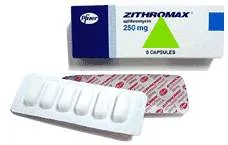 The severe Zithromax side effect known as Stevens Johnson Syndrome, which has been linked to other azithromycin-based antibiotics such as Z-Pak and Zmax, may be the result of the popular antibiotic being overprescribed.
On September 2, Dr. Andrew Smith wrote in the Maryville, Tennessee, newspaper The Daily Times that antibiotics are often misused and overused for viruses they can’t treat or for minor illnesses that the body’s immune system should be able to ward off on its own. He says some of the most overused antibiotics on the market are Zithromax, Z-pak and Zmax.
When Z-pak was introduced 20 years ago, Smith explains, it was so effective at killing any infection in sight that it quickly grew in popularity to the point that when patients would request it for even the mildest infections. Over time, however, the bacterial strains in the body begin to grow resistant to it.
Smith argues that a powerful antibiotic like Z-pak should only be prescribed for serious infections. When a drug is overprescribed, it actually introduces needless side effects and weakens the antibiotic, requiring that more of it has to be taken or for a longer period of time in order for it to be effective.
One of the most serious, but rare, Z-pak side effects is the severe skin reaction called Stevens Johnson Syndrome (SJS). SJS usually starts out with flu-like symptoms such as fever, sore throat and headache. The skin rash may initially start out as hives, but blisters will begin to develop on the skin and mucous membranes, especially the mouth, nose, and eyes. It usually culminates in the shedding of the skin — which means that the top layer of the skin has died. Eating, sleeping, urinating and even breathing can all become difficult. If blisters develop on the eye, an SJS victim can become blind.
SJS is fatal in about 5 percent of patients who contract it. Lesions can develop on internal organs such as the heart, lungs, kidneys or liver, causing inflammation of those organs. It can also cause sepsis, a condition in which the bacteria from the infection enter the bloodstream. It can take months to recover from SJS, which can leave lasting damage.
The U.S. Food & Drug Administration (FDA) reported that Zithromax is prescribed 50 million times every year. Out of the 20,108 Zithromax users who have reported adverse side effects while taking the popular antibiotic 390 of them came down with Stevens-Johnson Syndrome, according to a study based on data released by the FDA. That means that about 2 percent of those who have a negative reaction to Zithromax develop SJS.
If you or someone you know has developed Stevens-Johnson Syndrome after taking Zithromax, Zmax, or Z-Pak, legal options may be available to you. Learn more and get a free legal consultation regarding a claim’s eligibility at the Zithromax, Z-Pak, Azithromycin Heart Attack, Stevens Johnson Syndrome & Toxic Epidermal Necrolysis Class Action Lawsuit Settlement & Investigation. Experienced legal professionals have access to medical experts to assess whether or not this antibiotic played a role in severe skin reaction or other serious side effect, so act now.
All medical device, dangerous drug and medical class action and lawsuit news updates are listed in the Drug and Medical Device section of Top Class Actions.
Top Class Actions Legal Statement

Suing for unpaid wages in California: Recover unpaid overtime, back pay and more
April 2, 2026 | Legal News