Januvia & Byetta Diabetes Drugs Linked to Pancreatitis
By Anne Bucher
 Diabetes affects nearly 26 million Americans, many of whom remain untreated. Nearly 2 million Americans over the age of 20 were diagnosed in 2010. The costs associated with diabetes are enormous. While diet, exercise and weight reduction are some of the most effective ways to manage diabetes, many people rely on medications to regulate their blood sugar. While many diabetes medications are effective at lowering blood sugar levels, they can be associated with dangerous side effects.
 Januvia and Byetta Subjected to Increased FDA Scrutiny
The U.S. Food & Drug Administration (FDA) is reviewing unpublished findings from academic researchers who claim that pre-cancerous cell development may be associated with certain type 2 diabetes treatments, including Januvia and Byetta.
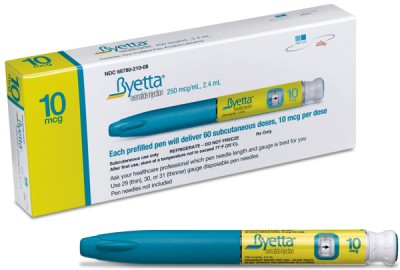
Januvia, manufactured by Merck & Co., has been linked to pancreatic cancer, according to the findings of a study from the University of California, Los Angeles (UCLA). This study found that patients who took Januvia experienced a higher risk of pancreatic disease, including cancer. Januvia is a once-daily prescription pill that helps to lower the blood sugar levels for adults diagnosed with type 2 diabetes. Byetta, manufactured by Bristol-Myers, is an injectable prescription medication used to treat patients with type 2 diabetes.
Mounting Evidence Linking Januvia and Byetta to Pancreatic Injuries
The FDA became concerned about the risks posed by type 2 diabetes treatments when it began receiving a large number of reports of pancreatitis in patients taking Byetta. In 2007, the FDA issued an alert about the possible link between Byetta and pancreatic damage. In 2009, the FDA issued a revision to the warning label for Januvia to mention the risks of pancreatic cancer and thyroid cancer.
In February 2013, researchers from John Hopkins University published a study in JAMA Internal Medicine that showed patients who took Januvia or Byetta had double the rate of acute pancreatitis. The study found that diabetic patients who had been hospitalized with pancreatitis were twice as likely to be taking Januvia or Byetta as patients with diabetes who did not have pancreatitis. This study suggests that the use of Januvia or Byetta is linked to an increased risk of pancreatitis or other pancreatic injuries. Last month, Consumer Reports suggested that consumers should select one of the other diabetes drugs on the market instead of Januvia or Byetta.
Despite these concerns, Merck has insisted that there has not been sufficient evidence to suggest a causal relationship between Januvia and pancreatic injuries. Bristol-Myers has acknowledged that Byetta has been associated with pancreatic injuries, but insists that the drug’s benefits outweigh the risk.
Contact a Januvia Lawyer for a Free Consultation
If you have suffered serious Byetta or Januvia side effects, visit the Type 2 Diabetes Drugs Januvia, Byetta Class Action Lawsuit Investigation page. On this page, you can submit information about your Byetta or Januvia injury and a class action lawyer will evaluate your case for free. If you qualify to join a Januvia lawsuit, you could be able to get compensation for your injuries.
Updated April 10th, 2013
All medical device, dangerous drug and medical class action and lawsuit news updates are listed in the Drug and Medical Device section of Top Class Actions.
Top Class Actions Legal Statement

Suing for unpaid wages in California: Recover unpaid overtime, back pay and more
April 2, 2026 | Legal News