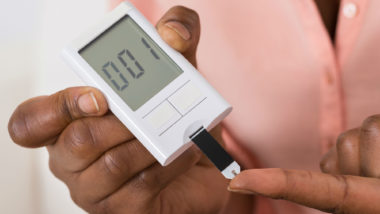
 Being diagnosed with diabetes carries several different risks for the patient.
This means that any patient with diabetes should be prepared to monitor their overall health and report changes in their condition to a doctor.
Why Do Diabetics Have a Higher Chance of Foot Issues?
Both type-1 and type-2 diabetes can cause damage to peripheral nerves and blood vessels that can lead to foot and leg problems. Two major conditions can cause amputations in diabetics: peripheral artery disease and peripheral neuropathy.
What is Peripheral Artery Disease?
According to the Mayo Clinic, peripheral artery disease—also known as PAD—is a functional issue with the body’s circulatory system. It is specifically called peripheral in that the delivery of adequate oxygenated blood to the extremities—usually of the legs—is compromised.
The blood flow is most often reduced because of accumulation of plaque in the arteries supplying the lower regions of the body. Its symptoms might be considered a key indicator of a potentially system-wide plaque development. If so, the person might not be getting enough blood to their heart or brain as well.
The symptoms of PAD are ambulatory pain when the demands of the tissues require more blood supply than the body can keep pace with. The specific area of pain with movement may relate to the greatest areas of plaque build-up, but the most common area to experience cramping is in the calf region.
The pain of PAD often disappears when the demands of movement are decreased or the person ceases activity. Other symptoms of PAD may include slow wound healing on the legs, and experience of numbness or weakness and temperature changes or differences between one side or the other.
What is Peripheral Neuropathy?
Peripheral neuropathy can be brought on by metabolic conditions such as diabetes and usually affects the legs and feet as well. Its symptoms include gradually developing numbness, a prickling or tingling sensation as if the limbs were “asleep”, or hypersensitivity to touch. Because of changes in pain perception, injuries can occur which the person might miss and fail to attend to.
What Are the Symptoms of Foot Issues for a Diabetic?
Ulcers can develop in diabetics because there is less blood flow to the feet and a loss of sensation. If issues continue to develop in the patient’s legs, tissue death can happen. This is a condition known as gangrene. If that condition is not treated promptly, it can become life-threatening.
Other signs of serious foot concerns include sepsis, cellulitis, or osteomyelitis. Any patient who begins to experience problems with their feet and circulation, whether or not they are on a current medication, should notify their doctor.
What Conditions Can Affect a Diabetic’s Foot?
Other foot problems that can affect a patient with diabetes include:
- Athlete’s foot
- Fungal nail infections
- Corns
- Calluses
- Ingrown toenails
- Heel cracking
- Bunions
Do Certain Medicines Increase My Risk?
Sometimes, taking medications that are designed to help with diabetes can actually increase a user’s risk of a lower limb amputation. Lower limb amputations can significantly affect a person’s mobility.
In addition to the problems with potential amputations, SGLT2 medications have also been connected to a higher risk of diabetic ketoacidosis.
How Do I Treat Foot Conditions?
Getting a proper diagnosis from your doctor is the first step to protecting your health when you think you have a foot condition. Your doctor can examine your foot and carry out other tests to confirm or deny the possible problem.
Some of the most common ways to address foot issues include corrective shoes, antibiotics, surgical debridement, amputations, and removal of the infected area. Once gangrene develops on a patient, the primary goal is to prevent this issue from spreading any further since the gangrene cannot be reversed.
How Can I Stop Foot Problems Before They Start?
One of the best things that a diabetic can do is to remain proactive about their foot health and foot care. This is one of the best ways to curb potential problems. Wearing properly-fitting footwear, for example, is an easy way to decrease the possibility of medical issues.
Always wearing shoes and checking your feet on a daily basis can also help in the process of decreasing foot problems significantly.
Should I Stop Taking My Medication?
If you think that your medication contributed to your risk of amputations or if you’ve already been through surgery, speaking with a lawyer could be your next step. A growing number of SGLT2 patients have had to go through lower limb amputation because of complications with their drugs. If this describes you, Top Class Actions can help you find a trusted lawyer to work with on your legal claim.
If you or a loved one experienced diabetes amputation after taking Jardiance or Farxiga, you may have a legal claim and may be eligible to seek compensation from the drug maker for your medical and other expenses. Fill out the form on this page now to see if you qualify!
ATTORNEY ADVERTISING
Top Class Actions is a Proud Member of the American Bar Association
LEGAL INFORMATION IS NOT LEGAL ADVICE
Top Class Actions Legal Statement
©2008 – 2026 Top Class Actions® LLC
Various Trademarks held by their respective owners
This website is not intended for viewing or usage by European Union citizens.
Get Help – It’s Free
Join a Free Jardiance, Farxiga Diabetes Amputation Class Action Lawsuit Investigation
If you qualify, an attorney will contact you to discuss the details of your potential case at no charge to you.
If you took Invokana or Invokamet, you do not qualify for this investigation. Click here to join a separate class action lawsuit investigation.
PLEASE NOTE: If you want to participate in this investigation, it is imperative that you reply to the law firm if they call or email you. Failing to do so may result in you not getting signed up as a client or getting you dropped as a client.
E-mail any problems with this form to:
[email protected].
Oops! We could not locate your form.