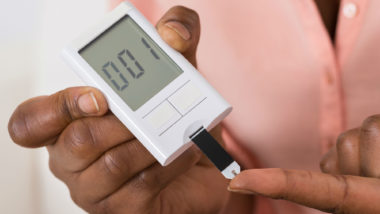
 Amputation is one of the most severe complications of diabetes. It can be incredibly difficult to deal with an amputation emotionally and physically.
One of the most common forms of diabetic amputation is a foot amputation. Medical News Today says that around the world, one person loses a limb to diabetes-related issues every 30 seconds.
Why does diabetic foot amputation occur?
A number of diabetic complications can lead to diabetic foot amputation. These factors can include nerve damage, as well as the fact that diabetics are more prone to ulcers and injury. On top of all of this, diabetics’ bodies are often are less able to heal wounds, putting them at risk for infection.
Unfortunately, around 86,000 people in the United States lose a limb to diabetic amputation yearly. Reportedly, most of these are amputations of the foot or lower leg.
What is diabetic neuropathy?
Unfortunately, nerve damage is one major side effect of diabetes. Nerve damage is also known as peripheral neuropathy. It can occur because of high glucose levels. Nerve damage can cause a patient to have reduced sensitivity in their limbs. If a patient who suffers neuropathy suffers an injury to their limb, they may not notice it, so they may not be able to protect themselves from an injury becoming more severe.
Diabetic neuropathy most commonly affects the legs and arms. The American Diabetes Association says that diabetic neuropathy affects around half of all diabetes patients.
The American Diabetes Association says that sometimes, diabetic neuropathy can be mild, and in its mild form, some patients may not know they have it. People who have had diabetes longer are more likely to have diabetic neuropathy.
Unfortunately, diabetic neuropathy is permanent, and cannot be reversed. However, if the condition is identified and treated early, nerve damage can be stopped, which can be key to preventing amputation.
Why can diabetic neuropathy lead to amputation?
In addition to diabetic neuropathy, there are a number of other side effects that can lead to diabetic foot amputation.
Diabetics often are less able to heal from wounds than most people. Because they can be more prone to injuring themselves and not noticing it, this is especially problematic.
A diabetes patient may injure themselves, not realize it, not treat the condition, and have the condition worsen quickly because they do not realize they have suffered an injury. Then, if that wound is not able to heal, an infection may develop. If the infection becomes severe enough, an amputation may develop that may necessitate limb amputation.
Can diabetes drugs lead to diabetic foot amputation?
Web MD explains that some diabetes drugs may increase a patient’s risk for diabetic foot amputation. This is concerning as many people take diabetes medications to decrease their risk of diabetes side effects including diabetic foot amputation.
Reportedly, sodium-glucose cotransporter 2 (SGLT2) inhibitors put patients at twice the risk for a diabetic foot amputation, compared to their diabetic counterparts who took other medications. Experts note that people who already have an elevated risk of amputation may be at increased risk for a diabetic amputation in connection to these drugs.
How do SGLT2 inhibitors increase amputation risk?
While clinical trials have failed to determine the exact cause, some physicians theorize that SGLT2 inhibitors cause thickening of the blood, which then pools in the lower extremities. This particular concern was voiced by Dr. Sidney Wolfe in January 2013, when the first medication of this class, Invokana, was being presented at a meeting of the FDA’s Endocrinologic and Metabolic Advisory Committee. At that time, Dr. Wolfe noted that patients who took Invokana experienced a significant increase in the concentration of red blood cells. This, in turn, raises the risk of blood clots, which can impair blood flow.
Do other diabetic drugs increase amputation risk?
As far as can be determined, the amputation risk is associated only with diabetic medications of the SGLT2 inhibitor class.
What are the chances of amputation while taking an SGLT2 inhibitor?
In 2017, two clinical trials involving Invokana, CANVAS and CANVAS-2, found that patients who took the medication had approximately double the risk of lower limb amputation (noted above). Most of these were amputations of the toe or metatarsal in patients who did not suffer from peripheral vascular disease before participating in the trials.
Current estimates indicate that one patient in 70 who take Invokana for a five-year period will wind up losing a lower extremity. While most of these involve toes or the middle of the foot, amputations below and even above the knee are not unheard of.
If you or a loved one experienced diabetes amputation after taking Jardiance or Farxiga, you may have a legal claim and may be eligible to seek compensation from the drug maker for your medical and other expenses. Fill out the form on this page now to see if you qualify!
ATTORNEY ADVERTISING
Top Class Actions is a Proud Member of the American Bar Association
LEGAL INFORMATION IS NOT LEGAL ADVICE
Top Class Actions Legal Statement
©2008 – 2025 Top Class Actions® LLC
Various Trademarks held by their respective owners
This website is not intended for viewing or usage by European Union citizens.
Get Help – It’s Free
Join a Free Jardiance, Farxiga Diabetes Amputation Class Action Lawsuit Investigation
If you qualify, an attorney will contact you to discuss the details of your potential case at no charge to you.
If you took Invokana or Invokamet, you do not qualify for this investigation. Click here to join a separate class action lawsuit investigation.
PLEASE NOTE: If you want to participate in this investigation, it is imperative that you reply to the law firm if they call or email you. Failing to do so may result in you not getting signed up as a client or getting you dropped as a client.
E-mail any problems with this form to:
[email protected].
Oops! We could not locate your form.