
Diabetes Drug Januvia May Increase Risk of Thyroid Cancer
By Amanda Antell
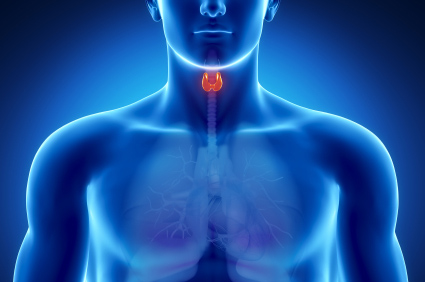 Recent studies show evidence that the type 2 diabetes drug Januvia may be likely to increase the risk of developing thyroid cancer.
Januvia (sitagliptin) is a new type of type 2 diabetes drug that was approved by the FDA in 2006. Created by the pharmaceutical giant Merck & Co., Januvia was designed to be used alongside diet and exercise to help type 2 diabetes patients control their blood sugar levels.
Type 2 diabetes causes cells to become resistant to insulin, the hormone which drives cells to absorb glucose from the bloodstream, which causes the blood sugar levels to rise. Because of the metabolic nature of type 2 diabetes, Januvia uses the body’s own hormones to stimulate extra production of insulin from the pancreas, which lowers the body’s blood-sugar level.
The way Januvia works is by inhibiting an enzyme called dipeptidyl peptidase-4 (DPP-4). This enzyme is responsible for breaking down hormones called incretins, which tell the pancreas to produce insulin, and tell the liver to stop producing blood-sugar. This helps the diabetic patient manage his or her blood-sugar levels.
However, there have been multiple studies that have cause for concern for any type 2 diabetic taking Januvia. In 2011, there were two case studies published in the journal Gastroenterology that linked Januvia with thyroid cancer.
Though there have yet to be any extensive case studies on this new drug, any signs of risk are problematic, especially when so many people are at risk. Diabetes affects more than 23 million people in the U.S. alone, and about 90-95 percent of those affected have type 2 diabetes.
Some studies hypothesize that DPP-4 inhibition may impair the body’s immunity system, which could increase the risk of all types of cancers; however, no solid conclusions have been made yet. Januvia may open the possibility of the body contracting any of the following types of thyroid cancer:
- Papillary thyroid cancer: This slow-growing cancer is usually cured by surgery by removing the thyroid gland, and affects 86% of people with thyroid cancer.
- Anaplastic thyroid cancer: This highly aggressive and life-threatening thyroid cancer affects less than 1% of people with the disease.
- Follicular thyroid cancer: This slow-growing cancer is usually curable and carries a low risk of complications. It affects 9% of people with the disease.
- Medullary thyroid cancer: This rare, slow-growing thyroid cancer is more likely to occur if someone else in your family had it.
As explained above, most people who suffer from thyroid cancer will undergo surgery to remove cancerous tissue. Unfortunately, surgery in that particular area of the body highly sensitive and is fraught with risks of blood vessels, nerves, and is close proximity of the thyroid gland, larynx (voice box), and windpipe.
Another complication that may arise from thyroid cancer surgery is voice box paralysis, which occurs if the nerves in the neck are damages. Complications in this condition include:
- Changes in voice or speaking ability
- Noisy, wheezy breathing
- Hoarseness when talking
- Problems swallowing
- Quiet or “breathy” voice
- May need many breaths while speaking
Currently, Januvia attorneys are investigating potential lawsuits against Merck & Co., alleging product liability, negligence, and failure to warn claims.
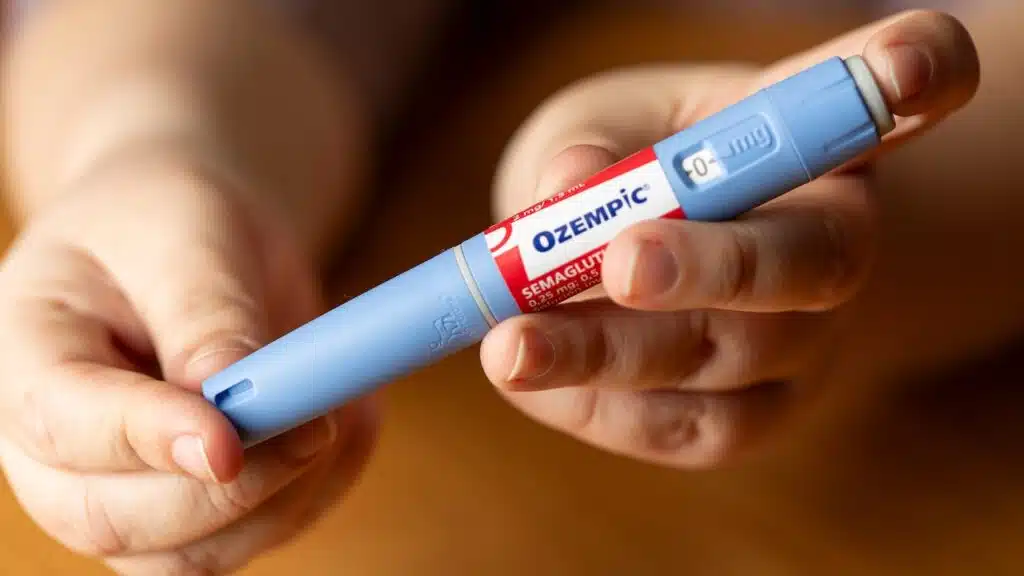
If you think that you or someone you know has been affected by Januvia or another type 2 diabetes drug like Byetta, please visit the Januvia Thyroid Cancer Class Action Lawsuit Investigation. While there, you’ll have the opportunity to submit your information to an attorney who specializes in Januvia thyroid cases and will review your claims for free. There are no out-of-pocket expenses, and you will be guided through the litigation process if you have a case. These Januvia lawyers will not get paid unless you do.
Updated April 22nd, 2013
All medical device, dangerous drug and medical class action and lawsuit news updates are listed in the Drug and Medical Device section of Top Class Actions.
Top Class Actions Legal Statement

Suing for unpaid wages in California: Recover unpaid overtime, back pay and more
April 2, 2026 | Legal News










One thought on Diabetes Drug Januvia May Increase Risk of Thyroid Cancer
I currently take januvia 50 mg daily