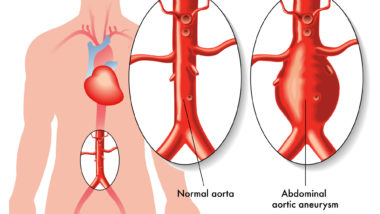
 Certain antibiotics known as fluoroquinolones have long been associated with the risk of dangerous tears, ruptures, and aortic aneurysms. An updated drug safety announcement was recently issued indicating that an aortic aneurysm or the rupture of one can lead to significant bleeding problems or even fatal injuries.
An aortic aneurysm is a bulge in the aorta, the main artery that carries blood from the heart to the rest of the body. According to the new communication by the U.S. Food and Drug Administration, health care providers are now advised to avoid prescribing fluoroquinolones to patients who already have an aortic aneurysm or are at risk for one.
Fluoroquinolone antibiotics have been in use among the general population for more than 30 years, but have more recently been associated with the variety of different side effects such as aortic events. These fluoroquinolone antibiotics are most frequently used to treat urinary tract infections and upper respiratory infections.
When a patient already at risk for an aortic aneurysm begins using these antibiotics, they might not know how to notice the signs of a life-threatening event. This could lead to the patient failing to get the medical attention needed to address the problem in time.
Such incidents have been associated with both fluoroquinolones administered through injection and those given by mouth. The FDA warns that certain patients may already be at an increased risk of aortic aneurysm.
These fluoroquinolone aortic injuries can be life threatening if not caught by a physician immediately.
Patients at high risk for an aortic aneurysm tied to the use of fluoroquinolones include those with hypertension, genetic conditions such as marfan syndrome, elderly individuals, and those who have peripheral atherosclerotic vascular diseases. Any patient that begins to experience sudden symptoms suggestive of an aortic aneurysm is advised to get emergency medical help immediately.
This new warning about the dangers of fluoroquinolone aortic injuries also requires that the risk of aortic aneurysm and associated events be added to the patient medication guide and prescribing information details for all fluoroquinolones.
The FDA shared that their decision to increase this warning about the dangers of aortic aneurysm was the result of four observational studies and cases that were reported to the agency’s adverse event reporting system database, according to NBC News. Those four different studies all indicated a higher risk of aortic dissection or aortic aneurysm with those using fluoroquinolones.
One of the epidemiological studies reported that the risk of aortic aneurysm increased from nine aneurysm events out of every 100,000 individuals each year in the general population to 300 aortic aneurysm instances for 100,000 individuals per year in the highest risk categories.
Other studies have indicated a doubled risk of aortic dissection or aortic aneurysm rupture for those taking fluoroquinolones. The warnings now required by the Food and Drug Administration are intended to warn the patients and health care professionals about issue. Previous FDA alerts indicated that fluoroquinolones should not be used with patients who are in high risk categories unless no other treatment options are currently available.
Join a Fluoroquinolone Aortic Aneurysm, Aortic Dissection Lawsuit Investigation
If you or a loved one were prescribed Fluoroquinolones such as Cipro, Levaquin or Avelox and were later diagnosed with an aortic dissection or aortic aneurysm, you may have a legal claim. Fill out the form on this page now for a FREE case evaluation or call 1-(855)-JONES-LAW (1-855-566-3752).
ATTORNEY ADVERTISING
Top Class Actions is a Proud Member of the American Bar Association
LEGAL INFORMATION IS NOT LEGAL ADVICE
Top Class Actions Legal Statement
©2008 – 2026 Top Class Actions® LLC
Various Trademarks held by their respective owners
This website is not intended for viewing or usage by European Union citizens.
Get Help – It’s Free
Join a Fluoroquinolone Aortic Aneurysm, Aortic Dissection Lawsuit Investigation
If you qualify, an attorney will contact you to discuss the details of your potential case at no charge to you.
PLEASE NOTE: If you want to participate in this investigation, it is imperative that you reply to the law firm if they call or email you. Failing to do so may result in you not getting signed up as a client or getting you dropped as a client.
E-mail any problems with this form to:
[email protected].
Oops! We could not locate your form.