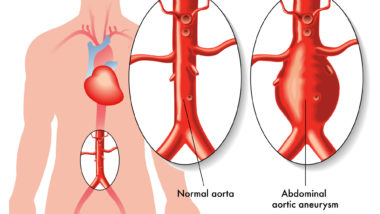
 The FDA recently issued a warning stating patients prescribed fluoroquinolone antibiotics may be at risk for suffering a ruptured aorta due to aneurysm or dissection, especially in elderly patients or patients who have a history of cardiac complications.
Fluoroquinolone antibiotics have been reportedly linked to a risk of a ruptured aorta, after the patients had allegedly developed aortic aneurysm or dissection. More specifically, the FDA stated that fluoroquinolone users who are already at risk for aortic dissection may be at an increased risk of developing a ruptured aorta.
Aortic ruptures are tears in the aorta, which can be potentially fatal if not treated promptly. The aorta is the body’s main artery and is a vital component of the body’s circulation process, so any potential cardiovascular side effects should be mentioned on the drug’s warning label. This may be especially prevalent in fluoroquinolone patients, with the medications being previously linked to an increased risk of aortic aneurysm or dissection.
Overview of Fluoroquinolone Cardiovascular Complications
The FDA further stated that fluoroquinolone antibiotics should not be prescribed to patients who have a history of aortic aneurysms, aortic bulges, or other blood vessel issues. In addition, patients with high blood pressure or who have genetic tendencies to blood vessel mutations should also not use these medications.
Elderly patients may also be at risk for fluoroquinolone cardiovascular complications, with the FDA stating these medications should not be prescribed unless absolutely necessary. The FDA boosted warnings on the labels of fluoroquinolone antibiotics like Levaquin or Avelox.
It is important to note that fluoroquinolone drugs are only for bacterial infection treatment, and are not meant for viral treatments. However, the medical community has been long concerned that these medications are overprescribed and to conditions that do not require antibiotics. With these complications in mind, there may be more hesitation in prescribing fluoroquinolone antibiotics to patients.
FDA Warning
“Health care professionals should avoid prescribing fluoroquinolone antibiotics to patients who have an aortic aneurysm or are at risk for an aortic aneurysm, such as patients with peripheral atherosclerotic vascular diseases, hypertension, certain genetic conditions such as Marfan syndrome and Ehlers-Danlos syndrome, and elderly patients. Prescribe fluoroquinolones to these patients only when no other treatment options are available,” the FDA stated.
The FDA stated the alleged correlation will be added to the warning label of fluoroquinolone antibiotics, which will hopefully prevent other patients from suffering a ruptured aorta.
Along with the recent FDA review, there have been several other studies indicating an alleged correlation between fluoroquinolone antibiotics and aortic dissection or aneurysm. Previously, fluoroquinolone antibiotics had been linked to collagen damage, which may be damaging the aorta in a similar manner. Fluoroquinolone drugs have also been tied to liver damage and SJS.
Fluoroquinolone antibiotics are some of the most commonly prescribed medications in the United States, for patients suffering from conditions like ear infections, urinary tract infections, and pneumonia. Previously in May 2017, the FDA stated there was no concrete evidence indicating a correlation between fluoroquinolone antibiotics and aortic aneurysms, even though there had been several injury reports submitted.
Join a Fluoroquinolone Aortic Aneurysm, Aortic Dissection Lawsuit Investigation
If you or a loved one were prescribed Fluoroquinolones such as Cipro, Levaquin or Avelox and were later diagnosed with an aortic dissection or aortic aneurysm, you may have a legal claim. Fill out the form on this page now for a FREE case evaluation or call 1-(855)-JONES-LAW (1-855-566-3752).
ATTORNEY ADVERTISING
Top Class Actions is a Proud Member of the American Bar Association
LEGAL INFORMATION IS NOT LEGAL ADVICE
Top Class Actions Legal Statement
©2008 – 2026 Top Class Actions® LLC
Various Trademarks held by their respective owners
This website is not intended for viewing or usage by European Union citizens.
Get Help – It’s Free
Join a Fluoroquinolone Aortic Aneurysm, Aortic Dissection Lawsuit Investigation
If you qualify, an attorney will contact you to discuss the details of your potential case at no charge to you.
PLEASE NOTE: If you want to participate in this investigation, it is imperative that you reply to the law firm if they call or email you. Failing to do so may result in you not getting signed up as a client or getting you dropped as a client.
E-mail any problems with this form to:
[email protected].
Oops! We could not locate your form.