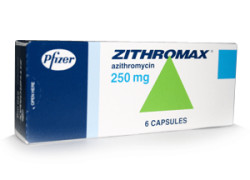
 A Zithromax skin rash could progress to become a painful allergic reaction called Stevens Johnson Syndrome, a potentially life-threatening condition that causes severe blistering of the skin and mucous membranes.
Zithromax (azithromycin) was developed by Croatian researchers in 1980 at the same time Pfizer scientists were creating it in the U.S. The drug is a semi-synthetic antibiotic with azalide as its main ingredient.
Zithromax is a broad-spectrum antibiotic, which means it can be effective against both gram-positive and gram-negative bacteria, as well as other pathogens. Azithromycin is often prescribed to treat strep throat, respiratory infections and pneumonia.
Zithromax Skin Rash Dangers
Stevens Johnson Syndrome (SJS) is a severe allergic reaction to medication that begins with a fever and rash, but progresses to blistering, painful skin peeling and open sores. It can be fatal in 5% to 15% of cases.
An extreme form of Zithromax skin rash, SJS, causes the skin to experience something like an excruciating chemical burn from the inside out.
Sores can even develop in the eyes, causing severe pain and blindness.
Stevens Johnson Syndrome can quickly progress to full-blown Toxic Epidermal Necrolysis (TEN), causing victims to shed large sheets of skin that come off of the body in addition to painful sores in the mouth, eyes and genital areas.
These mucous membranes react the same way the skin does, by filling up with fluid generated by the immune system in a severe allergic reaction to the medication.
When large areas of raw skin are exposed, the chances of the patient developing infection, sepsis (blood infection) and death increase.
Even though only 300 new cases of Stevens Johnson Syndrome are diagnosed each year in the United States, they are most frequently linked to medications, and the cause can be an antibiotic reaction. In many instances, a Stevens Johnson Syndrome lawsuit against the drug manufacturer is the only way patients receive compensation for their medical bills, pain and suffering, and other harms.
A rash is only one of several possible side effects. Other side effects can include allergic skin rash, joint pain, swelling, itching, nausea, vomiting, diarrhea, dizziness and abdominal pain. In rare instances, it can cause liver damage, aggressive behavior, vaginal inflammation and anxiety.
NIH Documents Zithromax Skin Rash SJS Case
A Zithromax skin rash can start out appearing relatively benign, but can quickly worsen.
A 62-year-old woman was admitted for evaluation of a severe rash. Ten days prior to admission she was taking a course of azithromycin for upper respiratory tract infection. After a few days she was feeling better but a flat, discolored rash developed over her palms, accompanied by fever and chills as well as reddish discoloration around her eyes.
Within a few days, the rash had spread to her feet. Routine blood tests ruled out inflammatory rheumatic disease. She was experiencing a Zithromax skin rash that progressed to SJS.
To reduce the inflammation, she was given methylprednisolone. Fortunately, her condition improved in several days as her fever went away and her skin lesions gradually disappeared.
The National Institutes of Health documented the woman’s case.
If you or someone you know has suffered from Stevens Johnson Syndrome after a course of azithromycin, you could be eligible for compensation through a Stevens Johnson Syndrome lawsuit.
Do YOU have a legal claim? Fill out the form on this page now for a free, immediate, and confidential case evaluation. The Stevens Johnson Syndrome attorneys who work with Top Class Actions will contact you if you qualify to let you know if an individual lawsuit or class action lawsuit is best for you. [In general, SJS lawsuits are filed individually by each plaintiff and are not class actions.] Hurry — statutes of limitations may apply.
ATTORNEY ADVERTISING
Top Class Actions is a Proud Member of the American Bar Association
LEGAL INFORMATION IS NOT LEGAL ADVICE
Top Class Actions Legal Statement
©2008 – 2026 Top Class Actions® LLC
Various Trademarks held by their respective owners
This website is not intended for viewing or usage by European Union citizens.
Get Help – It’s Free
Help for Victims of Stevens Johnson Syndrome
If you or a loved one were diagnosed with Stevens Johnson Syndrome (SJS) or toxic epidermal necrolysis (TEN) after taking a prescribed or over-the-counter medication, you may be eligible to take legal action against the drug’s manufacturer. Filing an SJS lawsuit or class action lawsuit may help you obtain compensation for medical bills, pain and suffering, and other damages. Obtain a free and confidential review of your case by filling out the form below.
An attorney will contact you if you qualify to discuss the details of your potential case at no charge to you.
Please Note: If you want to participate in this investigation, it is imperative that you reply to the law firm if they call or email you. Failing to do so may result in you not getting signed up as a client, if you qualify, or getting you dropped as a client.
Oops! We could not locate your form.