

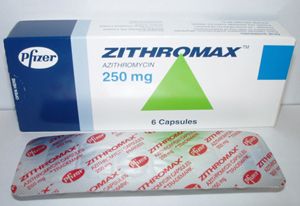
 Antibiotics have come under increased scrutiny in the past few decades for a number of reasons, from their overuse to the increased ability of bacteria to adapt to the antibiotics on the market. Especially targeted are so-called “broad spectrum” antibiotics, which can be used for a variety of skin diseases and infections.
One emergency medicine expert, who spoke at the American Academy of Emergency Medicine’s 20th Annual Scientific Assembly earlier this year, warned against the use of broad-spectrum antibiotics. Dr. Joseph Lex specifically targeted the macrolide azithromycin, the effective ingredient in Pfizer’s Zithromax.
“If we don’t stop, we’re not going to have good antibiotics in the future,” warned Dr. Joseph Lex of Temple University in Philadelphia. “Every country that has recommended the use of narrow-spectrum antibiotics instead has seen a fall in their resistance rates. We just have to get to the point where we do the same thing.”
Conditions that Zithromax is recommended for include acute bacterial exacerbations of chronic pulmonary disease, acute bacterial sinusitis, community-acquired pneumonia, pharyngitis, tonsillitis, uncomplicated skin and skin structure infection, urethritis and cervicitis, and genital ulcer disease. The risks of azithromycin drugs like Zithromax, though, go beyond the creation of so-called super bugs.
For Zithromax and other azithromycin-based drugs such as Z-Pak, rare but serious Zithromax side effects have been reported, including fatal Zithromax heart problems, allergic reactions and Zithromax liver disease, which could lead to more patients and their loved ones filing Zithromax lawsuits.
The increase in fatal problems for azithromycin, as compared to some other antibiotic drugs, was first reported in a study published in the New England Journal of Medicine in May 2012. The study was prompted by some data in the adverse events database of the U.S. Food and Drug Administration (FDA). Evidence indicated that azithromycin promotes irregular heartbeats, and the study’s authors wondered if incidences of cardiovascular death may increase for patients on the drug.
Researchers found that individuals already at high risk for cardiovascular death, including those with existing QT interval prolongation, low blood levels of potassium or magnesium, a slower than normal heart rate or patients taking drugs to treat arrhythmias, were more likely to die while taking azithromycin than patients on other antibiotics, or those who were not taking antibiotics at all.
Zithromax attorneys have been filing a number of Zithromax wrongful death lawsuits against Pfizer as more and more family members learn they may have lost a loved one to a fatal heart attack after taking the drug.
Join a Free Zithromax Class Action Lawsuit Investigation
If you believe that you or a loved one has been the victim of a Zithromax/Z-Pak injury such as a heart attack, liver damage, or Stevens Johnson Syndrome, you have legal options. See if you qualify to join a free Zithromax class action lawsuit investigation and pursue compensation for you or your loved one’s injuries:
Oops! We could not locate your form.
ATTORNEY ADVERTISING
Top Class Actions is a Proud Member of the American Bar Association
LEGAL INFORMATION IS NOT LEGAL ADVICE
Top Class Actions Legal Statement
©2008 – 2026 Top Class Actions® LLC
Various Trademarks held by their respective owners
This website is not intended for viewing or usage by European Union citizens.

FACTA lawsuit investigation: Check your paper receipts for credit card privacy violations
November 6, 2026 | Legal News











