

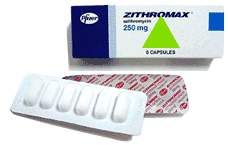
 Zithromax, generically known as azithromycin and often called Z-Pak, is an antibiotic sold by Pfizer and used to treat infections caused by bacteria. Common infections treated by Zithromax include bronchitis, pneumonia and any other infections that may affect the lungs and throat.
Zithromax is part of a class of antibiotics called macrolides. There are reports of Zithromax side effects, including sudden death due to heart problems, Stevens Johnson Syndrome, and drug-induced liver injury (DILI). The fact that it is a very strong antibiotic makes the potential for liver damage and liver failure very high.
Just recently, Dr. Kristie Leong warned consumers of the risks of Zithromax and liver damage.
“The FDA added azithromycin to a list of antibiotics to be studied more closely because of safety concerns. Zithromax was targeted because of reports of liver problems in people taking this drug. Some people taking Zithromax developed liver abnormalities ranging from liver inflammation to liver failure, and some have died.”
In 2012, a case involving a 69-year-old woman had liver damage after receiving a high dose of azithromycin in just a span of four days was published in the American Journal of Health-System Pharmacy. The woman was taken to the emergency room showing symptoms that included diarrhea, nausea, vomiting, pruritus, jaundice, weakness, and elevated liver enzymes.
Reports had it that Pfizer began receiving reports of liver damage associated with it as early as 1996, just a year after it was approved for use in children. Despite alleged reports of severe liver damage, Pfizer only warned the public about this serious side effect in 2000.
In January 2011, the label warnings on Zithromax were updated to say that abnormal liver function, jaundice, necrosis, hepatic failure and death had been reported in patients taking the drug.
“People who take Zithromax should be aware that the potential for liver problems exists when taking this medication, but being added to the FDA’s watch list doesn’t necessarily mean a drug is unsafe. It simply means that the FDA has some concerns about potential Zithromax side effects and wants to evaluate the medication more closely,” Dr. Leong explains.
Liver damage induced by Zithromax is very serious. In extreme cases, the only recourse may be liver transplant. Anyone taking Zithromax should be aware of the symptoms of liver damage and failure. They are:
- Jaundice (yellowing of the eyes and skin)
- Abdominal pain
- Nausea
- Vomiting
- Fever
- Severe fatigue
- Dark urine
- Elevated liver enzyme levels
Sudden Death and SJS
According to a study published in The New England Journal of Medicine, some patients who take azithromycin could be at an increased risk of sudden death. Azithromycin has been linked to abnormal heart rhythms when patients with heart disease take the medication over a five-day course.
Zithromax has also been linked to an increased risk of Stevens Johnson Syndrome, a rare and potentially fatal allergic reaction to medication. Patients with Stevens Johnson Syndrome and Toxic Epidermal Necrolysis, suffer skin lesions and blisters all over their body.
Join a Free Zithromax Class Action Lawsuit Investigation
If you believe that you or a loved one has been the victim of a Zithromax/Z-Pak injury such as a heart attack, liver damage, or Stevens Johnson Syndrome, you have legal options. See if you qualify to join a free Zithromax class action lawsuit investigation and pursue compensation for you or your loved one’s injuries:
Oops! We could not locate your form.
ATTORNEY ADVERTISING
Top Class Actions is a Proud Member of the American Bar Association
LEGAL INFORMATION IS NOT LEGAL ADVICE
Top Class Actions Legal Statement
©2008 – 2026 Top Class Actions® LLC
Various Trademarks held by their respective owners
This website is not intended for viewing or usage by European Union citizens.

FACTA lawsuit investigation: Check your paper receipts for credit card privacy violations
November 6, 2026 | Legal News











