
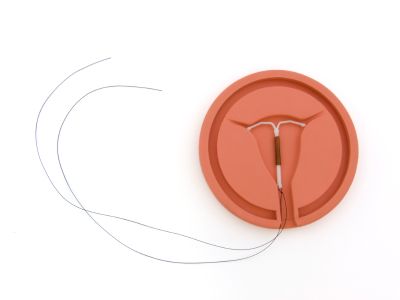
 A newly filed lawsuit against Bayer Healthcare Pharmaceuticals alleges the pharmaceutical giant failed to properly test the IUD birth control Mirena before releasing the device to market and of ignoring potential Mirena safety concerns including uterine perforation.
Plaintiff Hillary W. of San Diego, Calif. had the Mirena IUD implanted in October 2012 and claims that Bayer’s defective design of the Mirena IUD caused the device to migrate, leading the string of the IUD to become coiled and concealed.
Hillary had to have the Mirena IUD surgically removed due to the migration of the device. The Mirena IUD lawsuit accuses Bayer of “placing Mirena into the stream of commerce with reckless disregard for the public safety.”
Hillary is seeking inclusion in the multidistrict litigation pending in the U.S. District Court for the Southern District of New York (In re: Mirena IUD Products Liability Litigation, MDL 2434).
What is Mirena?
Mirena is a prescription contraceptive intrauterine system that is inserted by a healthcare provider during an office visit. The U.S. Food and Drug Administration (FDA) approved Mirena in December 2000. Today, more than 2 million women in the United States use Mirena.
The system releases levonorgestrel, a synthetic progestrogen, directly into the uterus for birth control. Bayer admits it is not known exactly how Mirena works, “but provide that Mirena may thicken cervical mucus, thin the uterine lining, inhibit sperm movement and reduce sperm survival to prevent pregnancy.”
The Mirena IUD is designed to be placed within seven days of the first day of menstruation and is approved to remain in the uterus for up to five years. If continued use is desired after five years, the old system must be discarded and a new one inserted.
The package labeling recommends that Mirena be used in women who have had at least one child. Mirena’s label does not warn about spontaneous migration of the IUD, but only states that migration may occur if the uterus is perforated during insertion of the device.
Mirena Complications
One of the many complications that may result from use of Mirena involves its potential to cause uterine perforations. Perforation may cause patients to experience bloating, vomiting, lower abdominal pain, heavy vaginal bleeding and other symptoms, including diminished fertility or the inability to conceive a child.
Other dangerous Mirena IUD side effects include:
- Device expulsion
- Pregnancy complications
- Ectopic pregnancy
- Pelvic inflammatory disease
Mirena Lawsuits
Lawsuits filed against Bayer Pharmaceuticals, Mirena’s manufacturer, claim that the company failed to warn the public that the device is prone to spontaneous migration and perforation of the uterus. A number of women claim that the drug manufacturer knew of the dangerous risks and released a defective product.
The Mirena IUD lawsuit is seeking compensatory and punitive damages and attorneys’ fees for Bayer’s alleged reckless and willful indifference to health, safety, and welfare. The filed complaint indicates a demand for a jury trial for this case.
The Mirena IUD Lawsuit is Case No. 3:15-cv-00098-BAS-JMA, in the U.S. District Court for the Southern District of California.
Do YOU have a legal claim? Fill out the form on this page now for a free, immediate, and confidential case evaluation. The attorneys who work with Top Class Actions will contact you if you qualify to let you know if an individual lawsuit or Mirena IUD class action lawsuit is best for you. [In general, Mirena IUD lawsuits are filed individually by each plaintiff and are not class actions.] Hurry — statutes of limitations may apply.
ATTORNEY ADVERTISING
Top Class Actions is a Proud Member of the American Bar Association
LEGAL INFORMATION IS NOT LEGAL ADVICE
Top Class Actions Legal Statement
©2008 – 2026 Top Class Actions® LLC
Various Trademarks held by their respective owners
This website is not intended for viewing or usage by European Union citizens.
Get Help – It’s Free
Join a Free Mirena IUD Class Action Lawsuit Investigation
If you or a loved one had the Mirena IUD inserted after January 1, 2000 and had to have surgery – or will be required to have surgery – to remove the IUD because it migrated, you may have a legal claim. Fill out the form below to obtain a FREE case evaluation.
A Mirena IUD attorney will contact you if you qualify to discuss the details of your potential case at no charge to you.
Oops! We could not locate your form.












One thought on Woman Claims Mirena IUD Caused Uterine Perforation