
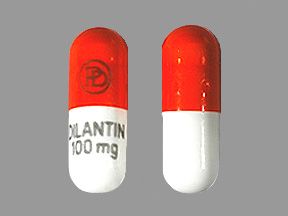
Dilantin, also known as phenytoin or phenytoin sodium, is an anti-seizure medication used in the treatment of epilepsy, typically used to prevent grand mal seizures and temporal lobe seizures. However, Dilantin may be linked to a serious and often fatal disease known as Toxic Epidermal Necrolysis Syndrome.
What is Toxic Epidermal Necrolysis Syndrome?
Toxic Epidermal Necrolysis Syndrome (TENS)
, which is also known as Lyell’s Syndrome, is a more severe form of Stevens Johnson Syndrome (SJS). It is a debilitating skin condition which could be caused by side effects of several different medications, such as Dilantin. Toxic Epidermal Necrolysis causes the top layer of skin to detach from the lower layers throughout the body. TENS symptoms following use of Dilantin could include:
- Rash, blisters or red spots on the skin
- Blisters in the mouth, eyes, ears, nose or genital area
- Swelling of the eyelids
- Fever or flu-like symptoms
A diagnosis of Toxic Epidermal Necrolysis is usually clinically made when skin lesions cover greater than 30% of the body.
Toxic Epidermal Necrolysis Treatment
Toxic Epidermal Necrolysis (TENS) is a very rare, very serious, and life threatening disease that requires great amounts of treatment. Toxic Epidermal Necrolysis treatment options include infection prevention, treating symptoms and controlling illness causing the condition.
In severe cases, antibiotics are often administered to control skin infections, corticosteroids are used to control inflammation, intravenous immunoglobulins (IVIG) is used to stop the disease process and patients undergo hospitalization in intensive care or burn units.
By far the most threatening and painful symptom of Toxic Epidermal Necrolysis Syndrome (TENS) is detachment of the epidermis from the dermis. Unlike SJS, Toxic Epidermal Necrolysis Syndrome can result in detachment of one hundred percent of the epidermis from the dermis. When detachment occurs, the TENS patient is treated in the burn unit and may remain there for anywhere from 6 days to 4 months.
In the burn unit, physicians will replace the TENS patient’s fluids and electrolytes, normally via an IV saline drip. Often, during Toxic Epidermal Necrolysis treatment, patients will undergo debridement of the detached skin and receive a skin graft. Long term complications with TEN are typically seen on the surface with immense scarring and altered pigmentation.
If you or a loved one has been diagnosed with Toxic Epidermal Necrolysis Syndrome (TENS) or a loved one has died from complications of Toxic Epidermal Necrolysis (TEN) following use of Dilantin, an experienced attorney can discuss the legal options available to you and your family.
Do YOU have a legal claim? Fill out the form on this page now for a free, immediate, and confidential case evaluation. The SJS attorneys who work with Top Class Actions will contact you if you qualify to let you know if an individual lawsuit or Dilantin class action lawsuit is best for you. [In general, Dilantin lawsuits are filed individually by each plaintiff and are not class actions.] Hurry — statutes of limitations may apply.
ATTORNEY ADVERTISING
Top Class Actions is a Proud Member of the American Bar Association
LEGAL INFORMATION IS NOT LEGAL ADVICE
Top Class Actions Legal Statement
©2008 – 2026 Top Class Actions® LLC
Various Trademarks held by their respective owners
This website is not intended for viewing or usage by European Union citizens.
Get Help – It’s Free
Help for Victims of Stevens Johnson Syndrome
If you or a loved one were diagnosed with Stevens Johnson Syndrome (SJS) or toxic epidermal necrolysis (TEN) after taking a prescribed or over-the-counter medication, you may be eligible to take legal action against the drug’s manufacturer. Filing an SJS lawsuit or class action lawsuit may help you obtain compensation for medical bills, pain and suffering, and other damages. Obtain a free and confidential review of your case by filling out the form below.
An attorney will contact you if you qualify to discuss the details of your potential case at no charge to you.
Oops! We could not locate your form.











One thought on Toxic Epidermal Necrolysis Syndrome: Diagnosis and Treatment