 Patients undergoing treatment for Toxic Epidermal Necrolysis are faced with a painful and costly condition. Fortunately, legal recourse may be available to help these patients and their loved ones.
Toxic Epidermal Necrolysis is an advanced form of the skin condition Stevens Johnson Syndrome, where the skin blisters and peels in a manner similar to severe burns.
Stevens Johnson Syndrome (SJS) and Toxic Epidermal Necrolysis (TEN) rashes are severe and painful, and lead to eye problems, secondary skin infection, and internal organ damage.
Toxic Epidermal Necrolysis treatment is often done in the hospital’s burn unit. In most cases, even when medical treatment is sought, patients are left severely and permanently scarred.
SJS can cover a large portion of skin. Once more than 30 percent of a patient’s skin is covered in these rashes, however, the condition has advanced to Toxic Epidermal Necrolysis. TEN is more life-threatening, with a mortality rate of over 40 percent. Toxic Epidermal Necrolysis treatment should be sought immediately.
How Does Someone Develop Toxic Epidermal Necrolysis?
SJS and TEN may develop as the result of an allergic reaction to pharmaceutical drugs. Some patients who have taken the anti-seizure drug Lamictal have reported experiencing severe Lamictal rash symptoms, and some have reported developing Stevens Johnson Syndrome and Toxic Epidermal Necrolysis.
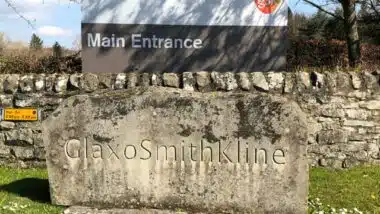
Lamictal (lamotrigine) is an anti-seizure drug developed and sold by GlaxoSmithKline. It was approved by the FDA in 1994, and is used to treat adults and children with epilepsy.
If you or someone you love is taking Lamictal and have developed Lamictal rash symptoms, it is important to be aware of some basic information regarding the drug and its side effects.
Since it was released onto the market, Lamictal has included several label warnings of Lamictal rash symptoms. These include the risk of Stevens Johnson Syndrome and Toxic Epidermal Necrolysis. However, Lamictal SJS lawsuits allege that this warning was not adequate, given the severity of some of these conditions.
A more common Lamictal reaction is a simple drug rash. Drug reactions like this are fairly normal and are not major causes for concern. Lamictal rash treatment is often very simple. Normally, Lamictal rash symptoms will go away on their own.
Clinical trials reveal that about 10 percent of patients on Lamictal experience some form of rash symptoms on their skin shortly after initially using Lamictal. Not all of these rashes are associated with SJS, and most are not severe enough to require hospitalization, but doctors encourage patients to pay close attention to symptoms.
SJS only affects about one in 1,000 adults who take Lamictal, or one tenth of one percent. However, this severe complication is much more common in children, and affects about one in 50 children taking Lamictal.
Symptoms of SJS and TEN
It is important to recognize the symptoms of SJS and TEN.
If these symptoms appear, patients are urged to seek hospital treatment immediately.
SJS and TEN symptoms include:
- facial swelling
- tongue swelling
- hives
- skin pain
- a red or purple skin rash, spreading within hours to days
- blisters on skin, mouth, nose, and/or eyes
- shedding of skin
Lamictal SJS Lawsuits
If you or someone you love has experienced SJS or TEN symptoms while using Lamictal and believe you were not adequately warned about the potentially severe side effects, you may have cause for filing a Lamictal SJS lawsuit for medical and financial damages. The first step is contacting an experienced attorney who can listen to your concerns and help determine whether legal action is best for you.
Do YOU have a legal claim? Fill out the form on this page now for a free, immediate, and confidential case evaluation. The Stevens Johnson Syndrome attorneys who work with Top Class Actions will contact you if you qualify to let you know if an individual lawsuit or class action lawsuit is best for you. [In general, SJS lawsuits are filed individually by each plaintiff and are not class actions.] Hurry — statutes of limitations may apply.
ATTORNEY ADVERTISING
Top Class Actions is a Proud Member of the American Bar Association
LEGAL INFORMATION IS NOT LEGAL ADVICE
Top Class Actions Legal Statement
©2008 – 2026 Top Class Actions® LLC
Various Trademarks held by their respective owners
This website is not intended for viewing or usage by European Union citizens.
Get Help – It’s Free
Help for Victims of Stevens Johnson Syndrome
If you or a loved one were diagnosed with Stevens Johnson Syndrome (SJS) or toxic epidermal necrolysis (TEN) after taking a prescribed or over-the-counter medication, you may be eligible to take legal action against the drug’s manufacturer. Filing an SJS lawsuit or class action lawsuit may help you obtain compensation for medical bills, pain and suffering, and other damages. Obtain a free and confidential review of your case by filling out the form below.
An attorney will contact you if you qualify to discuss the details of your potential case at no charge to you.
Oops! We could not locate your form.