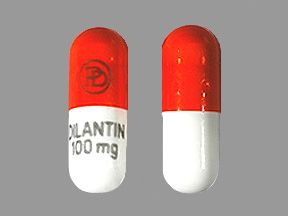
Dilantin was the first modern drug intended to treat seizures. Manufactured since 1936, it is still the most commonly prescribed anti-seizure medication. A major issue, though, is that the drug has the potential to increase the risk of developing Stevens Johnson Syndrome (SJS) in its users.
SJS expresses as an allergic reaction, but is actually an autoimmune disease. Induced by various medications, especially Dilantin, the reaction causes the body to attack its own skin. Its more serious cousin, Toxic Epidermal Necrolysis (TEN), can occur if SJS isn’t treated in time. There is no way of knowing whether patients with Dilantin TEN will survive.
The number of Dilantin SJS cases, and occurrences of SJS in general, tend to be rare. Nonetheless, past studies involving 15 U.S. burn centers revealed that more than 20 percent of TEN cases were thought to have been Dilantin-induced, and of those, 25 percent ended in fatalities.
In 2008, the U.S. Food and Drug Administration (FDA) released a health alert to the public saying that the risk of SJS from Dilantin was increased in those of Asian heritage. The risk is also higher for African Americans. Warning labels mention SJS, but have been criticized as not doing so adequately. Dilantin class action lawsuits and individual lawsuits exist for those cases in which Dilantin allegedly caused harm. In one such case, in 2010, the Jacobson family settled with Pfizer for $3.78 million as their 9-year-old daughter died from Dilantin SJS.
SJS & Dilantin Defined
Dilantin (phenytoin) is used to treat epileptic seizures, and to prevent seizures in head injury victims. The drug works by slowing brain impulses.
At least seven pharmaceutical companies manufacture phenytoin. But its side effects can be severe. In Asians and African Americans, it sets off a specific gene that pushes the patients’ immune system into high gear when metabolizing Dilantin, in turn destroying healthy skin cells at an accelerated pace. However, according to Dr. Wen-Hung Chung and fellow researchers in a 2014 study from the department of dermatology at Chang Gung Memorial Hospital in Taiwan, the pharmacogenomic basis of these phenytoin-related skin reactions remains unknown.
An extremely rare situation, SJS presents differently in each victim, but does share the telltale warning signs of flu-like symptoms, followed by a red rash. If not treated, it attacks mucous membranes, like the skin and eyes, causing blistering and ulceration. Victims can suffer permanent scarring, blindness, and internal organ damage. If allowed to progress, SJS can become toxic epidermal necrolysis (TEN). Dilantin’s accelerating effect helps the progression.
With TEN, the skin suffers a reaction that can impact up to 90 percent of the body. Almost overnight, skin will begin to reflect the characteristics of serious burns. In some patients, their epidermis sloughs away in sheets. Most patients, if they survive, endure a horrific recovery. SJS and TEN are usually treated in the hospital burn unit.
In general, Dilantin lawsuits are filed individually by each plaintiff and are not class actions.
Do YOU have a legal claim? Fill out the form on this page now for a free, immediate, and confidential case evaluation. The attorneys who work with Top Class Actions will contact you if you qualify to let you know if an individual lawsuit or class action lawsuit is best for you. Hurry — statutes of limitations may apply.
ATTORNEY ADVERTISING
Top Class Actions is a Proud Member of the American Bar Association
LEGAL INFORMATION IS NOT LEGAL ADVICE
Top Class Actions Legal Statement
©2008 – 2026 Top Class Actions® LLC
Various Trademarks held by their respective owners
This website is not intended for viewing or usage by European Union citizens.
Get Help – It’s Free
Help for Victims of Stevens Johnson Syndrome
If you or a loved one were diagnosed with Stevens Johnson Syndrome (SJS) or toxic epidermal necrolysis (TEN) after taking a prescribed or over-the-counter medication, you may be eligible to take legal action against the drug’s manufacturer. Filing an SJS lawsuit or class action lawsuit may help you obtain compensation for medical bills, pain and suffering, and other damages. Obtain a free and confidential review of your case by filling out the form below.
An attorney will contact you if you qualify to discuss the details of your potential case at no charge to you.
Oops! We could not locate your form.