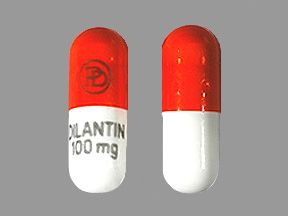
Patients may file Dilantin SJS lawsuits if they developed the dangerous skin disease after taking seizure medication Dilantin.
SJS (Stevens Johnson Syndrome) can cause patients to lose large amounts of skin and leave permanent scars if the patient recovers. Dilantin drug maker, Pfizer, has been accused of failing to warn against this danger in Dilantin SJS lawsuits already filed.
Dilantin was approved in 2001 to help manage seizures. However, many individuals have developed dangerous side effects that the drug manufacturer failed to warn about, including Dilantin SJS. Individuals may have chosen drugs without this risk had they been aware that they could develop Dilantin SJS.
What is Stevens Johnson Syndrome (SJS)?
SJS is a rare but dangerous skin disorder that can lead to traumatic side effects. SJS begins with flu-like symptoms and a rash, but quickly develops into severe blistering that spreads across the skin. Any part of the skin and any mucous membranes, including the eyes, nose, mouth, throat, and others, may be susceptible.
SJS often causes the epidermal layer (the top layer) of skin to peel and fall off. This leaves the body open to secondary infections, sepsis, and other dangers. Because of this, SJS patients should be hospitalized immediately. Some patients may be left temporarily or permanently blind if the disease spreads to the eyes.
SJS can cover up to 30% of the body and has a 5%-15% fatality rate. If the blisters spread more than 30%, the diagnosis changes to toxic epidermal necrolysis or TEN. TEN is considerably more dangerous because of the more surface area it covers. TEN patients are often treated in hospitals’ burn wards due to the severity of wounds. TEN patients can lose skin in large sheets. The fatality rate of TEN is 40%.
While both conditions are rare, they are almost always caused by drugs like Dilantin. Pfizer, however, has not warned against Dilantin SJS, which may possibly delay some victims in receiving medical attention for the potentially deadly condition as it mimics the flu in the initial stages.
Dilantin SJS Lawsuits
As a result, plaintiffs may file Dilantin SJS lawsuits against Pfizer for failing to warn against all side effects. At least 100 Dilantin lawsuits have been filed against Pfizer about unknown skin side effects.
Signs of Dilantin SJS may include:
- Flu-like symptoms, such as fever, sore throat, cough, burning eyes
- Red or purple skin rash
- Hives
- Blisters on the skin and mucous membranes, especially in the mouth, nose and eyes
- Facial swelling
- Tongue swelling
- Skin pain
- Skin shedding (sloughing)
Patients may be left with scars, organ damage, secondary infection, or blindness. Some patients may die from Dilantin SJS.
Do YOU have a legal claim? Fill out the form on this page now for a free, immediate, and confidential case evaluation. The SJS attorneys who work with Top Class Actions will contact you if you qualify to let you know if an individual lawsuit or Dilantin class action lawsuit is best for you. [In general, Dilantin lawsuits are filed individually by each plaintiff and are not class actions.] Hurry — statutes of limitations may apply.
ATTORNEY ADVERTISING
Top Class Actions is a Proud Member of the American Bar Association
LEGAL INFORMATION IS NOT LEGAL ADVICE
Top Class Actions Legal Statement
©2008 – 2026 Top Class Actions® LLC
Various Trademarks held by their respective owners
This website is not intended for viewing or usage by European Union citizens.
Get Help – It’s Free
Help for Victims of Stevens Johnson Syndrome
If you or a loved one were diagnosed with Stevens Johnson Syndrome (SJS) or toxic epidermal necrolysis (TEN) after taking a prescribed or over-the-counter medication, you may be eligible to take legal action against the drug’s manufacturer. Filing an SJS lawsuit or class action lawsuit may help you obtain compensation for medical bills, pain and suffering, and other damages. Obtain a free and confidential review of your case by filling out the form below.
An attorney will contact you if you qualify to discuss the details of your potential case at no charge to you.
Oops! We could not locate your form.