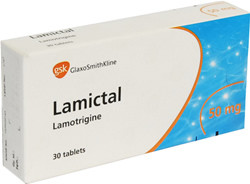
 Lamictal (Lamotrigine) is one of America’s most popular anticonvulsant medications, but it has been linked to a severe drug allergy reaction known as Stevens Johnson Syndrome (SJS).
The drug is manufactured by GlaxoSmithKline and was approved by the FDA in 1994 to treat a variety of seizure disorders, including epilepsy. However, it was not long after its release that Lamictal was reported to allegedly trigger Stevens Johnson Syndrome in some patients.
In January 2009, the medical journal Pediatrics published a study evaluating the different risk factors for Stevens Johnson Syndrome (SJS) and Toxic Epidermal Necrolysis (TEN) in children.
The study consisted of 80 SJS cases with 216 matched controls, using data from two international studies: the severe cutaneous adverse reaction (SCAR) study and the multinational severe cutaneous adverse reaction (EuroSCAR) study.
From this data, three cases of SJS were confirmed to be associated with Lamictal, with researchers suggesting that the anti-convulsant drug was strongly associated with the condition.
The concern of Lamictal SJS eventually incurred a Black Box warning from the FDA, addressing the risk of SJS and TEN. The warning stated that severe cases may occur in 1,000 adult Lamictal patients, and up to one in 50 children.
Complications from Stevens Johnson Syndrome
Stevens Johnson Syndrome is a severe allergic skin reaction, often characterized by the red or purple skin lesions that appear on the patient’s skin. More often, SJS is a drug allergy reaction, and can be induced by one or more medications such as Lamictal.
It is an extremely rare condition with less than 1,000 diagnoses per year, with it being potentially fatal if not diagnosed in a timely manner.
Experts warn that Stevens Johnson Syndrome begins with flu like symptoms, and can occur within the first two to eight weeks of starting a medication. However once the skin lesions appear, often red or purple in color, the patient’s condition can deteriorate very quickly and become potentially fatal.
In addition, the infected areas start to detach and melt off the patient’s body resulting inner tissue and muscle being exposed to possible infection. Due to the nature of these injuries, patients are often treated in the burn units of hospitals to replenish lost flesh.
At this point in time, medical experts have yet to identify which medications definitively cause Stevens Johnson Syndrome or which patients are more vulnerable than others. However, experts have recently confirmed that patients with certain genetic traits from the Asian Pacific Islands may be more prone to having an SJS reaction.
Filing a Lamictal Stevens Johnson Syndrome Lawsuit
Due to the condition’s rarity, many medications often lack SJS on their warning labels. This means that numerous patients are at risk for this drug allergy reaction.
Any patient who had been prescribed Lamictal or other medication and allegedly suffered Stevens Johnson Syndrome, may be eligible to file legal action against the manufacturing companies. Potential claimants should contact a specialized lawyer as soon as possible, to determine if they are eligible to file a Lamictal SJS lawsuit.
Do YOU have a legal claim? Fill out the form on this page now for a free, immediate, and confidential case evaluation. The Stevens Johnson Syndrome attorneys who work with Top Class Actions will contact you if you qualify to let you know if an individual lawsuit or class action lawsuit is best for you. [In general, SJS lawsuits are filed individually by each plaintiff and are not class actions.] Hurry — statutes of limitations may apply.
ATTORNEY ADVERTISING
Top Class Actions is a Proud Member of the American Bar Association
LEGAL INFORMATION IS NOT LEGAL ADVICE
Top Class Actions Legal Statement
©2008 – 2026 Top Class Actions® LLC
Various Trademarks held by their respective owners
This website is not intended for viewing or usage by European Union citizens.
Get Help – It’s Free
Help for Victims of Stevens Johnson Syndrome
If you or a loved one were diagnosed with Stevens Johnson Syndrome (SJS) or toxic epidermal necrolysis (TEN) after taking a prescribed or over-the-counter medication, you may be eligible to take legal action against the drug’s manufacturer. Filing an SJS lawsuit or class action lawsuit may help you obtain compensation for medical bills, pain and suffering, and other damages. Obtain a free and confidential review of your case by filling out the form below.
An attorney will contact you if you qualify to discuss the details of your potential case at no charge to you.
Oops! We could not locate your form.