 Facing pressure from legal action and regulators in the United States, power morcellators are now facing new troubles in Canada.
Power morcellators are a type of surgical tool used in some types of laparoscopic surgery and the removal of uterine fibroids. Laparoscopic surgery is a surgical procedure where surgeons use tiny cameras and specialized tools—like power morcellators—to perform the bulk of the surgery within the body of the patient. This allows surgeons to work inside a person while cutting through a minimal amount of healthy tissue.
But when surgeons have to remove something during surgery, like they do when performing a hysterectomy or removing uterine fibroids, surgeons have a very simple technical problem: the tissue they have to remove from the body is far too large to remove from the tiny incisions used in laparoscopic surgery. To solve this, surgeons use a tool called a power morcellator to cut the material into more manageable bits. However, many medical professionals within the United States and abroad have raised concerns that morcellation of uterine fibroids could have serious health consequences.
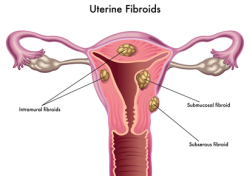
A major use of power morcellators is a group of procedures to remove uterine fibroids, a type of benign tumor in the uterus. Uterine fibroids are non-cancerous growths on the uterus, which may cause no symptoms or may cause a patient great pain. In some cases, surgeons can remove uterine fibroids directly, or in other cases they may perform a full hysterectomy to remove them. However, medical data has demonstrated that many women with uterine fibroids also have undiagnosed cancers in the tissues of their uterus, including a type of uterine cancer called leiomyosarcoma.
Some U.S. Food and Drug Administration (FDA) numbers indicate that as many as 1 in 300 women who have laparoscopic surgery may also have cancers like leiomyosarcoma (also known as uterine sarcoma). Additionally, medical research strongly suggests that the physical action of power morcellation may throw bits of cancerous tissue around in the abdomen, quickly spreading uterine cancer during a hysterectomy. One of the biggest factors that determines how serious and treatable a cancer depends how widespread the cancer is within the body. If the allegations about power morcellators are true, this could mean the surgical tool could give uterine cancer a “jump start.”
Morcellation Cancer Warnings
In December of 2014, Health Canada made an announcement regarding the safety of power morcellators. Health Canada is a government agency responsible for public health in Canada and fills the same roles that the National Institutes of Health (NIH), Centers for Disease Control and Prevention (CDC), and FDA play in the American government. In their announcement, Health Canada echoed many of the same concerns the FDA had raised about power morcellators during 2014.
South of the border, the FDA also made a major announcement about power morcellators in December of 2014, just days before Health Canada’s announcements. In a Safety Communication, the FDA announced that power morcellators would now carry a “black box” warning informing consumers and physicians of the the risk of spreading uterine cancer. A black box warning is the highest level of censure the FDA can issue short of a full-on recall. This came as a culmination of FDA announcements that date back to April of last year.
Additionally, in April of 2014, Johnson & Johnson’s Ethicon unit, the market leader of power morcellators, voluntarily suspended sales of their power morcellators over concerns of spreading uterine cancer. J&J and many other power morcellator manufacturers are currently facing several morcellation cancer lawsuits in federal courts across the United States.
Do YOU have a legal claim? Fill out the form on this page now for a free, immediate, and confidential case evaluation. The morcellation cancer attorneys who work with Top Class Actions will contact you if you qualify to let you know if an individual lawsuit or class action lawsuit is best for you. [In general, morcellator cancer lawsuits are filed individually by each plaintiff and are not class actions.] Hurry — statutes of limitations may apply.
ATTORNEY ADVERTISING
Top Class Actions is a Proud Member of the American Bar Association
LEGAL INFORMATION IS NOT LEGAL ADVICE
Top Class Actions Legal Statement
©2008 – 2026 Top Class Actions® LLC
Various Trademarks held by their respective owners
This website is not intended for viewing or usage by European Union citizens.
Get Help – It’s Free
Join a Free Morcellation Cancer Class Action Lawsuit Investigation
If you or a loved one were diagnosed with cancer in the uterus, pelvis or abdomen within two years of undergoing surgery for a myomectomy (removal of fibroids), hysterectomy (removal of the uterus), oophorectomy (removal of the ovaries), or salpingectomy (removal of fallopian tubes), you may have a legal claim. See if you qualify by filling out the short form below.
An attorney will contact you if you qualify to discuss the details of your potential case at no charge to you.
Oops! We could not locate your form.