A study published recently in the American Journal of Obstetrics and Gynecology showed that a fewer number of women underwent procedures using power morcellation since the April 2014 FDA warning.
The study looked at women who underwent hysterectomy for benign reasons from January 1 through December 31 of 2014. After the FDA warning on April 17 of that year, the number of surgeries using power morcellation showed a 4.1 percent decline.
What is Morcellation?
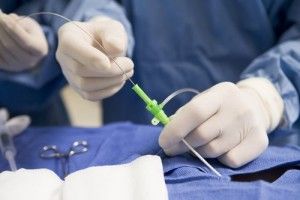
Morcellation is the use of a device called a power morcellator to assist in surgery. Most commonly, these machines are used during hysterectomy procedures as well as for removing uterine fibroids (myomectomy).
During these surgeries, a small incision is made in the abdomen, and the power morcellator is inserted to divide the tissue into smaller pieces to remove fibroids or the entire uterus through the tiny opening.
FDA Warning on Morcellation
In April 2014, the FDA issued a warning urging doctors to not use power morcellators on women who are undergoing surgery for a hysterectomy or myomectomy.
One in 350 women are who are undergoing surgery to remove fibroids or to have a hysterectomy are estimated to have an unsuspected cancer of the uterus called uterine sarcoma, a type of cancer that also includes leiomyosarcoma.
Using a power morcellator to break up the tissue may disturb the cancerous tissue and cause it to spread to the pelvis and abdomen. Once the cancer has spread, the outcome of successful treatment for cancer is lessened, and chances for long-term survival are significantly reduced.
The FDA determined that there was no way to improve the power morcellation devices to make them safer. In November 2014, the FDA issued a statement that they would allow power morcellators to remain on the market but the manufacturers would be required to include substantially stronger warnings on the devices.
This move by the FDA received a lot of criticism for those who believed that power morcellators should be removed from the market.
Many hospitals no longer use power morcellators to perform hysterectomy or myomectomy procedures but there are still many hospitals that do use this device despite the warnings.
Morcellation Lawsuit Information
Many women allege they have been permanently injured from the use of power morcellation during their surgeries and have decided to pursue lawsuits against the manufacturers of power morcellation devices.
The allegations in various lawsuits that have been filed state the devices are unreasonably dangerous and there were not adequate warnings provided to the women who underwent surgery.
Women assert that stronger warnings would have allowed them as patients to more fully discuss with their doctors the risks and benefits associated with the minimally invasive procedure and the dangers of use of the device.
If you or a loved one has suffered a cancer diagnosis after having a hysterectomy, uterine fibroid surgery or other procedure using a power morcellator, you may be entitled to legal compensation. Attorneys are available to confidentially discuss your unique situation to inform you of your options.
Do YOU have a legal claim? Fill out the form on this page now for a free, immediate, and confidential case evaluation. The morcellation cancer attorneys who work with Top Class Actions will contact you if you qualify to let you know if an individual lawsuit or class action lawsuit is best for you. [In general, morcellator cancer lawsuits are filed individually by each plaintiff and are not class actions.] Hurry — statutes of limitations may apply.
ATTORNEY ADVERTISING
Top Class Actions is a Proud Member of the American Bar Association
LEGAL INFORMATION IS NOT LEGAL ADVICE
Top Class Actions Legal Statement
©2008 – 2026 Top Class Actions® LLC
Various Trademarks held by their respective owners
This website is not intended for viewing or usage by European Union citizens.
Get Help – It’s Free
Join a Free Morcellation Cancer Class Action Lawsuit Investigation
If you or a loved one were diagnosed with cancer in the uterus, pelvis or abdomen within two years of undergoing surgery for a myomectomy (removal of fibroids), hysterectomy (removal of the uterus), oophorectomy (removal of the ovaries), or salpingectomy (removal of fallopian tubes), you may have a legal claim. See if you qualify by filling out the short form below.
An attorney will contact you if you qualify to discuss the details of your potential case at no charge to you.
Oops! We could not locate your form.