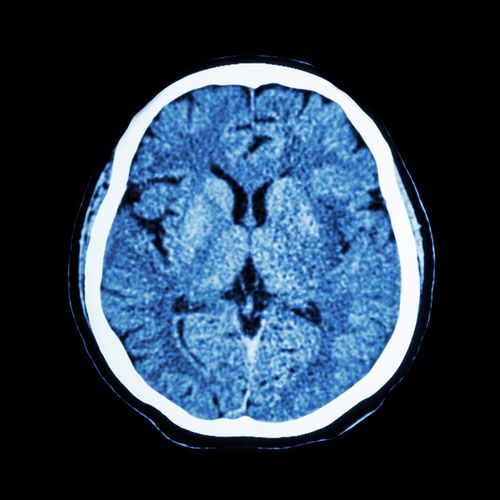
 A medical journal focusing on epilepsy and seizures has published a study about the correlation associated with focal cerebral atrophy and long-term use of Dilantin (phenytoin).
The study concluded that while epilepsy may play a role in developing focal cerebral atrophy, it was less important than the amount of time a patient had been exposed to phenytoin.
According to the study, taking phenytoin can cause a serious condition where the brain tissue in the cerebellum degenerates and loses neurons. This condition is known as cerebellar atrophy or focal cerebral atrophy. Focal cerebral atrophy caused by phenytoin use affects the brain’s cerebellum.
This portion of the brain is located under the cerebrum, behind the brain stem. The cerebellum is responsible for regulating voluntary movements such as coordination, speech, posture, and balance. Individuals with a damaged cerebellum may suffer symptoms including unstable eye movements, tremors, slow movements, and lack of balance.
The seizure study linking focal cerebral atrophy to phenytoin use was conducted by looking at dozens of epilepsy patients who had been taking phenytoin for more than two months and had MRI scans available for study. The study looked at the cerebellar volumes of the patients in the study.
The majority of the patients in the study were in their 30s and the average period that each patient had suffered from epilepsy was at least 15 years. On average each patient was taking 301mg of phenytoin per day.
The results from the study suggested that of the patients studied, a significant number suffered from cerebellar atrophy. In some cases patients can recover from focal cerebral atrophy symptoms when they stop taking phenytoin. Unfortunately for some patients who have been taking phenytoin for extended periods of time injuries can be permanent.
What is Phenytoin?
Phenytoin, also known as Dilantin, is a popular medication used to treat epilepsy. According to the Epilepsy foundation, when a person experiences a seizure the neurons in their brain cells are forced to work at a much faster pace than normal. Phenytoin works by preventing brain cells from firing off neurons in an uncontrolled surge. This helps stop seizures in their beginning stages.
Product liability attorneys are currently looking for potential plaintiffs to bring Phenytoin lawsuits. These lawsuits will likely allege that the manufacturers of phenytoin and Dilantin violated consumer protection laws and failed to warn consumers and medical professionals about serious risks associated with using the medication.
Plaintiffs may have the option of bringing a lawsuit individually or as a member in a class action lawsuit. Individual lawsuits often provide a plaintiff with more autonomy over their case while class action lawsuits help to spread the cost of litigation among all the members.
The decision to bring a lawsuit and deciding which type of lawsuit to bring is a decision that should be made on a case by case basis with the advice of a legal professional. Successful plaintiffs may receive compensation for the pain and suffering they have endured along with payment for the past and future medical bills that they have incurred.
In general, phenytoin lawsuits are filed individually by each plaintiff and are not class actions.
Do YOU have a legal claim? Fill out the form on this page now for a free, immediate, and confidential case evaluation. The attorneys who work with Top Class Actions will contact you if you qualify to let you know if an individual Dilantin lawsuit or Dilantin class action lawsuit is best for you. Hurry — statutes of limitations may apply.
ATTORNEY ADVERTISING
Top Class Actions is a Proud Member of the American Bar Association
LEGAL INFORMATION IS NOT LEGAL ADVICE
Top Class Actions Legal Statement
©2008 – 2026 Top Class Actions® LLC
Various Trademarks held by their respective owners
This website is not intended for viewing or usage by European Union citizens.
Get Help – It’s Free
Join a Free Dilantin, Phenytoin Cerebral Atrophy Class Action Lawsuit Investigation
If you or a loved one were injured by Dilantin/phenytoin side effects, you may have a legal claim. Fill out the form for a free case evaluation.
An attorney will contact you if you qualify to discuss the details of your potential case.
Oops! We could not locate your form.