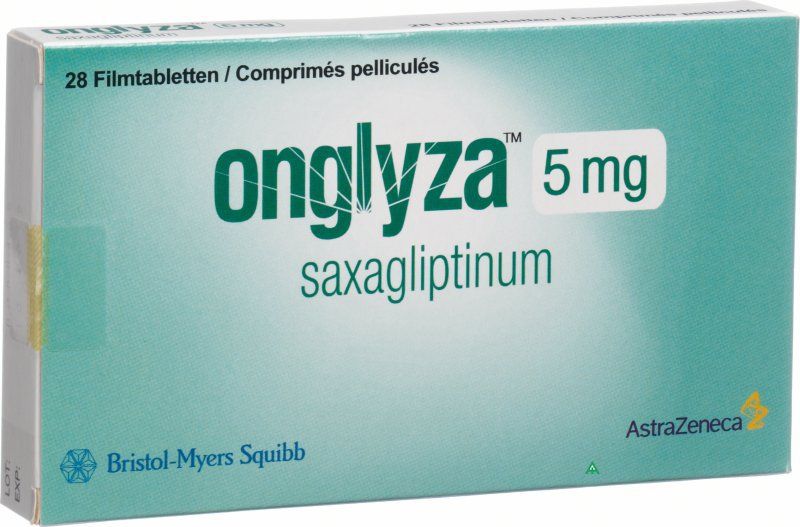
 AstraZeneca’s prescription medication Onglyza, used in the treatment of type-2 diabetes, may cause an increase in certain cardiovascular events, and could even result in death.
Onglyza received U.S. Food and Drug Administration (FDA) approval on July 31, 2009, and is used to help control high blood sugar in patients with type-2 diabetes. However, the FDA has recently raised the alarm pertaining to an increased risk of heart failure potentially caused by Onglyza.
About Onglyza
Onglyza is an oral diabetes medication for people with type-2 diabetes. It belongs to a class of medications called incretin mimetics which work by increasing the natural release of insulin in the pancreas and reducing the production of glucagon. Essentially it is designed to increase the body’s own insulin production, which keeps blood sugar levels in check.
However, reports of serious Onglyza side effects, including heart failure, have raised concerns among patients and the medical community.
A recent study, funded by the maker of Onglyza, found that patients who use Onglyza to help control their blood sugar show a higher rate of hospitalizations for heart failure. While the link between Onglyza and heart failure is still under investigation, many doctors and experts have expressed grave concern about this Onglyza side effect.
What is Heart Failure?
Heart failure occurs when the heart is unable to pump an adequate supply of blood to meet the body’s needs. In some cases, the heart can’t fill with enough blood; in others, the heart is unable to pump oxygenated (red) blood to the rest of the body with enough force. Some patients have both problems.
Signs and symptoms of Onglyza heart failure may include:
- Shortness of breath (dyspnea)
- Fatigue
- Weakness
- Swelling (edema) in the legs, ankles and feet
- Rapid or irregular heartbeat
- Swelling of the abdomen
- Sudden, severe shortness of breath
- Elevated blood pressure
- Chest pain
FDA Treatment of Onglyza
With increased scrutiny on the safety of type-2 diabetes medications from lawsuits and the FDA advisory committee recommendation, the serious Onglyza side effects have prompted the FDA to issue several safety alerts for incretin mimetic medications, including Onglyza.
In February 2014, the FDA launched an investigation into the potential risk of Onglyza heart problems. After review of the study data, the FDA panel backed a label change that would add warnings about the risk of Onglyza heart failure. Although the panel determined use of Onglyza and other DPP-4 inhibitors did not increase the users’ risk of heart attack, stroke, or cardiovascular death, risk of heart failure was a legitimate concern.
The panel did not recommend restrictions to prescribing practices.
If you or someone you love has been injured or suffered heart failure as a result of Onglyza side effects, you may be eligible for financial compensation for damages such as medical bills, lost wages, and pain and suffering.
In general, Onglyza lawsuits are filed individually by each plaintiff and are not class actions.
Do YOU have a legal claim? Fill out the form on this page now for a free, immediate, and confidential case evaluation. The attorneys who work with Top Class Actions will contact you if you qualify to let you know if an individual Onglyza lawsuit or Ongylyza class action lawsuit is best for you. Hurry — statutes of limitations may apply.
ATTORNEY ADVERTISING
Top Class Actions is a Proud Member of the American Bar Association
LEGAL INFORMATION IS NOT LEGAL ADVICE
Top Class Actions Legal Statement
©2008 – 2026 Top Class Actions® LLC
Various Trademarks held by their respective owners
This website is not intended for viewing or usage by European Union citizens.
Get Help – It’s Free
Join a Free Onglyza Lawsuit Investigation
If you or a loved one were injured from Onglyza side effects such as heart failure, thyroid cancer or pancreatic cancer, you may have a legal claim. See if you qualify to pursue compensation and join a free Onglyza lawsuit investigation by submitting your information for a free case evaluation.
An attorney will contact you if you qualify to discuss the details of your potential case.
Oops! We could not locate your form.