

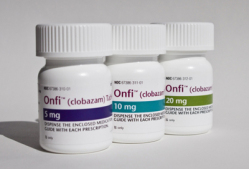
 Onfi (clobazam) is a benzodiazepine medication to treat seizures caused by Lennox-Gastaut Syndrome (LGS), a severe form of epilepsy.
Manufactured by Lundbeck , a Danish international pharmaceutical company, Onfi has been in the U.S. market for over 10 years. It is often used in conjunction with other medications, and has been tied to Stevens Johnson Syndrome (SJS) and toxic epidermal necrolysis (TEN).
Stevens Johnson Syndrome is an allergic reaction, or hypersensitivity disorder. While SJS can happen at any time and from any drug, studies showed that the risks of SJS and TEN from Onfi are much greater during the first eight weeks of treatment with the drug. The chances of a reaction are also increased when the medication is stopped and restarted.
SJS, due to its rarity, is often misdiagnosed. With initial flu-like symptoms, SJS symptoms range from mild skin and mucous membrane lesions to skin death.
Onfi case studies from the FDA that are related to SJS led to hospital stays. Of those, one victim suffered blindness and another died.
The FDA recommended that Onfi “patients be monitored for signs and symptoms of SJS/TEN, especially during the first 2 months of treatment or when therapy is reintroduced. At the first sign of rash, healthcare professionals should discontinue its use and try another therapy.”
In December 2013, the FDA had Lundbeck add warnings of SJS and TEN risks to the Onfi label and patient medication guides. Doctors of Onfi patients need to be consulted before stopping the medication, however, as that can also cause side effects, such as seizures, hallucinations, rashes, fever and conjunctivitis.
SJS: Rare and Deadly
Stevens Johnson Syndrome is a type of allergic reaction, usually in response to medication or infection. It expresses initially as as flu-like symptoms, then a rash with brightly colored skin lesions. In the case of Onfi, these symptoms can also show when a patient ceases taking the drug.
Stevens Johnson Syndrome is rare. It’s estimated that in the United States only 300 cases of Stevens Johnson Syndrome are diagnosed annually. But for those few victims, it can be dangerous. If misdiagnosed or left untreated, it can develop into toxic epidermal necrolysis (skin death).
SJS cell death causes the epidermis to separate from the dermis. It also attacks the mucous membranes. Victims can suffer not only permanent scarring, but also eye complications like severe conjunctivitis, corneal blisters and holes, and vision loss.
An SJS allergic reaction may not occur until seven to 14 days after first using a medication. Extreme conditions, SJS and TEN are treated with urgency when diagnosed.
Treatment centers on controlling symptoms and minimizing complications. Treatment is of utmost importance as both SJS and TEN can be fatal, and recovery can take several weeks to several months.
Due to the infrequency of occurrence, few companies think to share the threat of it. As SJS attacks the mucous membranes, if the label carries the warning, it’s listed under “Skin Reactions.”
Victims and SJS class action lawsuit plaintiffs allege that manufacturers of many drugs were aware of the risks but did not inform the public, However, Onfi’s label, due to the severity of the risk, is more direct, stating, ” Serious Dermatological Reactions (including Stevens-Johnson and toxic epidermal necrolysis): Discontinue ONFI at first sign of rash unless the rash is clearly not drug-related.”
Do YOU have a legal claim? Fill out the form on this page now for a free, immediate, and confidential case evaluation. The Stevens Johnson Syndrome attorneys who work with Top Class Actions will contact you if you qualify to let you know if an individual lawsuit or class action lawsuit is best for you. [In general, SJS lawsuits are filed individually by each plaintiff and are not class actions.] Hurry — statutes of limitations may apply.
ATTORNEY ADVERTISING
Top Class Actions is a Proud Member of the American Bar Association
LEGAL INFORMATION IS NOT LEGAL ADVICE
Top Class Actions Legal Statement
©2008 – 2026 Top Class Actions® LLC
Various Trademarks held by their respective owners
This website is not intended for viewing or usage by European Union citizens.
Get Help – It’s Free
Help for Victims of Stevens Johnson Syndrome
If you or a loved one were diagnosed with Stevens Johnson Syndrome (SJS) or toxic epidermal necrolysis (TEN) after taking a prescribed or over-the-counter medication, you may be eligible to take legal action against the drug’s manufacturer. Filing an SJS lawsuit or class action lawsuit may help you obtain compensation for medical bills, pain and suffering, and other damages. Obtain a free and confidential review of your case by filling out the form below.
An attorney will contact you if you qualify to discuss the details of your potential case at no charge to you.
Oops! We could not locate your form.











