
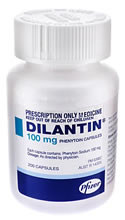
 According to a recent report published in the August edition of the Journal of the American Medical Association (JAMA), mutations in the CYP2C genes on chromosome 10 appear to predispose carriers to severe adverse skin reactions to the antiepileptic drug Dilantin (phenytoin).
The generic version of Dilantin, phenytoin, is the most commonly prescribed anti-epileptic drug for adults. Today, more than seven pharmaceutical companies manufacture phenytoin. Dilantin was the first modern drug intended to treat seizures.
Manufactured by Pfizer and approved by the U.S. Food and Drug Administration (FDA) in 1953, Dilantin is still the most commonly prescribed anti-seizure medication. The issue for all is that Dilantin has the potential to increase the risk of developing Stevens Johnson Syndrome (SJS) in its users, and some users more than others.
In 2008, the FDA released a public health alert saying that the risk of SJS from Dilantin increases for those of Asian heritage. The risk is also higher for African Americans.
This susceptibility is caused by a specific gene that pushes the patient’s immune system into high gear when metabolizing the drug, in turn destroying healthy skin cells at an accelerated pace. This genetic anomaly falls into the current study.
The recent study was conducted between 2002 and 2014 in Asia. Researchers looked at more than 850,000 single-nucleotide polymorphisms (SNPs), then did direct sequencing of genes they identified as suspicious, to investigate possible genetic factors associated with severe Dilantin related skin responses.
Study participants included “168 Taiwanese patients taking the drug who developed cutaneous reactions, including 13 who died from those adverse events; 130 Taiwanese patients who were tolerant of phenytoin; and 412 controls from the general Taiwanese population.”
The Dilantin study identified a “cluster of 16 SNPs on chromosome 10 that showed some association with the adverse cutaneous reactions, including 8 SNPs on CYP2C genes.”
To confirm their findings, 30 cases were then recruited from the Taiwan Severe Cutaneous Adverse Reactions Consortium for further testing and comparison to the 130 phenytoin-tolerant patients. The findings were the same in the repeated studies.
Dr. Wen-Hung Chung, of the department of dermatology at Chang Gung Memorial Hospital, Taiwan, and his associates, state “Phenytoin – the most frequently used first-line antiepileptic agent in hospitalized patients, which is also effective for other neurologic disorders – is known to cause cutaneous reactions ranging from mild rash to life-threatening eosinophilia, Stevens-Johnson syndrome, and toxic epidermal necrolysis.”
However, the pharmacogenomic basis of these phenytoin-related skin reactions remains unknown.
Stevens-Johnson Syndrome (SJS)
SJS is typically deemed an allergic reaction, but it is actually an autoimmune disease. Induced by various medications, especially Dilantin, the reaction induces the body to attack its own skin.
SJS presents differently in each victim, but does share the telltale warning signs of flu-like symptoms, followed by a red rash. If not treated, it attacks mucous membranes, like the skin, causing blistering and ulceration, and the eyes. Victims can suffer permanent scarring, blindness, and internal organ damage.
If allowed to progress, SJS can become toxic epidermal necrolysis (TEN). With TEN, the skin suffers a reaction similar to second and third-degree burns that can impact up to 90 percent of the body. This constitutes skin death. Because of their severity, SJS and TEN are usually treated in the hospital burn unit. Both can prove fatal.
In general, Dilantin Stevens Johnson Syndrome lawsuits are filed individually by each plaintiff and are not class actions.
Do YOU have a legal claim? Fill out the form on this page now for a free, immediate, and confidential case evaluation. The attorneys who work with Top Class Actions will contact you if you qualify to let you know if an individual lawsuit or class action lawsuit is best for you. Hurry — statutes of limitations may apply.
ATTORNEY ADVERTISING
Top Class Actions is a Proud Member of the American Bar Association
LEGAL INFORMATION IS NOT LEGAL ADVICE
Top Class Actions Legal Statement
©2008 – 2026 Top Class Actions® LLC
Various Trademarks held by their respective owners
This website is not intended for viewing or usage by European Union citizens.
Get Help – It’s Free
Help for Victims of Stevens Johnson Syndrome
If you or a loved one were diagnosed with Stevens Johnson Syndrome (SJS) or toxic epidermal necrolysis (TEN) after taking a prescribed or over-the-counter medication, you may be eligible to take legal action against the drug’s manufacturer. Filing an SJS lawsuit or class action lawsuit may help you obtain compensation for medical bills, pain and suffering, and other damages. Obtain a free and confidential review of your case by filling out the form below.
An attorney will contact you if you qualify to discuss the details of your potential case at no charge to you.
Oops! We could not locate your form.












One thought on New Research Finds Genetic Predisposition to Dilantin Skin Reactions