
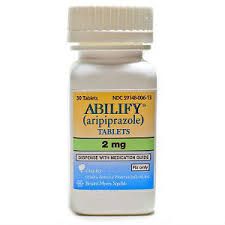
 Abilify manufacturers Otsuka Pharmaceuticals and Bristol-Myers Squibb will add certain compulsive behaviors to the drug’s warning label, following numerous consumer complaints and product liability lawsuits.
The new Abilify FDA warning goes on to say that because patients may not realize they are losing control over these compulsions, it is important for prescribing physicians to check in with patients or their caregivers regarding intense gambling, sexual activity, shopping, eating and other addictive behaviors.
Even though the new Abilify FDA warning notes that impulse control issues may be a symptom of an underlying condition, physicians should consider stopping or reducing the prescription if the patient develops these urges.
Overview of New Abilify FDA Warning
The new Abilify FDA warning essentially states patients may develop sudden compulsive behaviors, such as gambling or shopping and recommends physicians specifically ask patients about any sudden or new intense urges towards these actions.
However Abilify patients have been alleging these problems for years, with many believing that this warning was long time in coming.
Due to the treatment mechanism of Abilify, which involves increasing the brain’s dopamine levels, patients often lose inhibitions toward behaviors normally considered fun or rewarding.
In order to improve thinking and general mood balance, Abilify works by leveling dopamine and serotonin receptors in the brain. Because of this, Abilify is popularly prescribed to treat patients with bipolar disorder, schizophrenia and Tourette’s syndrome.
Post-marketing reports of pathological gambling and other reward seeking behaviors have been reported in patients treated with Abilify, regardless of whether these patients had a prior history of gambling or other compulsions.
Even though the new Abilify FDA warning cautions patients against potential gambling addictions, many criticize the fact that the word “gambling” did not even appear on the drug’s warning label in the United States until 2015.
In contrast, Canada and Europe reportedly received the Abilify gambling warning several years prior.
Many Abilify patients have filed legal action against Otsuka and Bristol-Myers, seeking compensation for their financial losses.
Abilify patients who may have developed a gambling addiction or other unexpected compulsive behaviors may be able to file their own claim. Potential claimants should contact a specialized lawyer, to determine eligibility for an Abilify lawsuit.
In general, Abilify lawsuits are filed individually by each plaintiff and are not class actions.
Do YOU have a legal claim? Fill out the form on this page now for a free, immediate, and confidential case evaluation. The attorneys who work with Top Class Actions will contact you if you qualify to let you know if an individual Abilify lawsuit or Abilify class action lawsuit is best for you. Hurry — statutes of limitations may apply.
ATTORNEY ADVERTISING
Top Class Actions is a Proud Member of the American Bar Association
LEGAL INFORMATION IS NOT LEGAL ADVICE
Top Class Actions Legal Statement
©2008 – 2026 Top Class Actions® LLC
Various Trademarks held by their respective owners
This website is not intended for viewing or usage by European Union citizens.
Get Help – It’s Free
Join a Free Abilify Lawsuit Investigation
If you or a loved one were injured from Abilify side effects such as a gambling addiction, shopping addiction or other compulsive behavior, you may have a legal claim. See if you qualify to pursue compensation and join a free Abilify lawsuit investigation by submitting your information for a free case evaluation.
An attorney will contact you if you qualify to discuss the details of your potential case.
Please Note: If you want to participate in this investigation, it is imperative that you reply to the law firm if they call or email you. Failing to do so may result in you not getting signed up as a client, if you qualify, or getting you dropped as a client.
Oops! We could not locate your form.












One thought on New Abilify FDA Warning Mentions Compulsive Gambling as Side Effect