 With more than 800 Mirena IUD lawsuits filed against Bayer Healthcare Pharmaceuticals Inc. over the alleged injuries caused by the intrauterine birth control device, all parties in the Mirena lawsuits are looking forward to a status conference to be held June 24 in New Jersey’s Bergen County Superior Court. Mirena lawsuits have been filed by 811 women for injuries, pain, surgical removal procedures and hysterectomies they say were caused by the intrauterine contraceptive device.
Hundreds of women are taking Bayer to task over the serious Mirena IUD complications they say they suffered, and in a large percentage of the cases, the injuries were reportedly so serious that they required surgical removal of the device. Some of the women ended up undergoing hysterectomies or suffering other serious, permanent injuries.
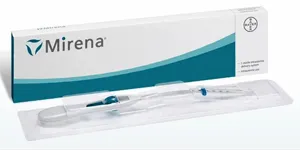
The Mirena IUD has been blamed for its risks that many women say were downplayed by Bayer, while its benefits were overstated. Mirena was approved by the U.S. Food and Drug Administration (FDA) in 2000 as a long-term contraceptive device. The t-shaped, plastic device is described on Bayer’s packaging as releasing a synthetic progestin called levonorgestrel into the blood stream meant to “thicken cervical mucus, thin the uterine lining, inhibit sperm movement and reduce sperm survival to prevent pregnancy.”
Since the Mirena IUD was approved by the FDA, 15 million women around the world have been implanted with the intrauterine device, and as many as thousands of them have hit Bayer with Mirena IUD lawsuits and Mirena IUD class action lawsuits alleging pain, injuries, and serious complications, including hysterectomies, caused by the device. The Mirena IUD is intended to be inserted into a woman’s uterus within seven days of menstruation and to remain in the uterus for up to five years.
Bayer touted the low-maintenance benefits of the Mirena IUD, which has become a key factor in Mirena class action lawsuits filed against Bayer, accusing the company of deceptively marketing the benefits of the device and allegedly downplaying the risks of the Mirean IUD. According to court documents, the Mirena birth control device is now involved in a total of 1,300 Mirena lawsuits filed in the U.S., among class action lawsuits established at the federal and state court levels.
According to a report conducted by a Detroit television news program, “7 Action News,” in August 2013, Mirena has been named in over 70,000 complaints filed with the FDA since 2000, among them a vast quantity of reports of spontaneous IUD migration, uterine perforation and other injuries related to the Mirena IUD device.
Join a Free Mirena Class Action Lawsuit Investigation
If you or a loved one had the Mirena IUD inserted after January 1, 2000 and had to have surgery – or will be required to have surgery – to remove the IUD because it migrated, you may be eligible to take legal action against the manufacturer. Joining a Mirena class action lawsuit or filing an individual Mirena IUD lawsuit may help you recover compensation for medical bills, pain and suffering and other damages. Obtain a free case evaluation now:
Oops! We could not locate your form.
ATTORNEY ADVERTISING
Top Class Actions is a Proud Member of the American Bar Association
LEGAL INFORMATION IS NOT LEGAL ADVICE
Top Class Actions Legal Statement
©2008 – 2026 Top Class Actions® LLC
Various Trademarks held by their respective owners
This website is not intended for viewing or usage by European Union citizens.