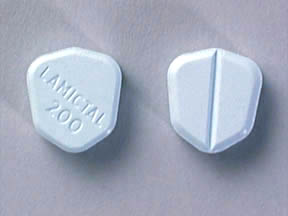
 Suffering from epilepsy means that some people have to start taking anti-convulsion drugs at a very young age. Unfortunately, one of these antiepileptic drugs has also been linked to an increased risk in developing Stevens Johnson Syndrome (SJS), which is basically a severe skin reaction to drugs. However, SJS is so much more serious than the term “skin reaction” suggests.
Melissa, a Minnesota resident, shared her history of Lamictal SJS and how she survived. Although this experience reportedly happened two years ago, she’s still on the hunt for an epilepsy medication that works, but is also relatively safe and doesn’t put her at an increased risk of SJS.
“I started seeing a new neurologist for my epilepsy and they received my medical records from my old neurologist,” she says. “We were discussing my history and she brought up to me the fact of my reaction I had to Lamictal a while ago, and mentioned that I had Stevens Johnson Syndrome, a side effect from my meds. When I did have this reaction, my skin started to melt off my legs. I developed blisters and it felt like my skin was burning off. My neurologist at the time didn’t give me a name or anything, but was concerned and took me off the meds (Lamictal) and told me that what I had can be fatal and that I was extremely lucky.”
“I also developed these almost scar-like cysts in my eyes, on the eyeball, that are still there,” Melissa says. This isn’t uncommon, since SJS is attracted to wet regions of the body like the eyes, nose, mouth and groin. That’s often where SJS blisters start and of course these can be very sensitive areas. Some people survive SJS but are blind or visually impaired for life.
“Now currently I have all these people concerned about me,” Melissa continues. “Telling me that I should have been more informed about it at the time from my former neurologist. And it concerned me as well when my current neurologist was upset at the way my former neurologist handled the situation. I have done some reading on what it is now.”
Melissa’s concerns are understandable, but at the heart of Lamictal class action lawsuits is the allegation that the drugmaker failed to adequately warn about the potential Lamictal risks, including SJS. Just like patients, doctors depend on transparency and warnings from drugmakers to make good choices.
“I have read and been told by friends who are RNs that people who develop it again have less chance of survival. What are the things I need to know that I am not learning from reading it online? It’s making me nervous now that people are bringing it up to me and telling me, ‘You have no idea how lucky you are that it was caught quickly.’”
SJS is still relatively rare, and there are many doctors who have never seen it in person. People may be turned away from the ER, urgent care or even their own physicians for a watch and wait approach, but this approach can unfortunately be deadly. There’s no cure for SJS. Instead, patients who get correctly diagnosed are treated in burn units and cared for in the hopes that the body remains free of infection so it can begin to heal itself. However, there’s often permanent disfigurement in severe SJS cases.
Melissa sought reassurance and empathy in an online forum. Here, she found comrades.
One anonymous poster said, “My son had Stevens Johnson Syndrome three years ago. … He did not have ocular involvement and we feel very blessed for that. He was left with arthritis that would flare up at times and he had to quit basketball for awhile because of it. I am happy to report that even that cleared up after a year or so. He was very lucky. The main thing I would tell you is whatever medication that caused SJS, do not ever take it, touch it, be in the same room with it or any of its ‘cousin’ medications. Some medications are not exactly the same as the original medication, but have some of the same properties. If you ever get any of the symptoms of SJS again, run, don’t walk, to the doctor.”
In general, SJS lawsuits are filed individually by each plaintiff and are not class actions.
Do YOU have a legal claim? Fill out the form on this page now for a free, immediate, and confidential case evaluation. The attorneys who work with Top Class Actions will contact you if you qualify to let you know if an individual lawsuit or class action lawsuit is best for you. Hurry — statutes of limitations may apply.
ATTORNEY ADVERTISING
Top Class Actions is a Proud Member of the American Bar Association
LEGAL INFORMATION IS NOT LEGAL ADVICE
Top Class Actions Legal Statement
©2008 – 2026 Top Class Actions® LLC
Various Trademarks held by their respective owners
This website is not intended for viewing or usage by European Union citizens.
Get Help – It’s Free
Help for Victims of Stevens Johnson Syndrome
If you or a loved one were diagnosed with Stevens Johnson Syndrome (SJS) or toxic epidermal necrolysis (TEN) after taking a prescribed or over-the-counter medication, you may be eligible to take legal action against the drug’s manufacturer. Filing an SJS lawsuit or class action lawsuit may help you obtain compensation for medical bills, pain and suffering, and other damages. Obtain a free and confidential review of your case by filling out the form below.
An attorney will contact you if you qualify to discuss the details of your potential case at no charge to you.
Oops! We could not locate your form.