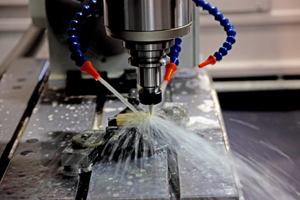
 Exposure to “metal working fluids” (MWF) can lead to a variety of illnesses of certain safety precautions aren’t taken. Also known as “cutting oil” or “cutting fluid,” MWF is often used to lower friction and heat while removing metal particles in a number of grinding and industrial machinery.
However, so many metal working fluid illnesses have been reported that a class action lawsuit has been formed. A metalworking fluid class action lawsuit was created because there were numerous MWF victims with similar complaints.
Metal working fluid victims claim that they were never warned about the MWF risks and that their employers and/or the manufacturers of the fluids didn’t protect them from side effects.
Many formulas can be used to create the cutting fluid, from “straight oils” like petroleum to water-based concoctions made with synthetic, semi-synthetic and soluble oils. They can be created with a mixture of emulsifiers, corrosion inhibitors, oils, anti-weld agents, buffers, extreme pressure additives and biocides. With water-based MWFs, microbial growth is encouraged which can lead to biological contamination. For example, fungal or bacterial cells can grow, causing endotoxins, mycotoxins and exotoxins.
It’s estimated by the Centers for Disease Control (CDC) that about 1.2 million Americans have been exposed because they work in machine tooling, metalworking, or machine finishing. Simply breathing in aerosols which were created during machine processing can lead to serious metal working fluid illnesses.You can also be exposed via skin contact when handling tools, equipment or parts which have MWF on them.
According to the National Institute for Occupational Safety and Health (NIOSH), metal working fluid aerosol is a fine, sometimes invisible mist that’s regularly created while machine and operation grinding takes place using metal and metal substitutes.
The most common metal working fluid problems include respiratory conditions. These can include: Chronic bronchitis, asthma, hypersensitivity pneumonia (HP) and impaired lung function.Dubbed “work-related asthma” (WRA), this affliction is the most common of all occupational disorders. Not only is it difficult to live with, it also leads to high costs when it comes to workers’ compensation and general healthcare.
In terms of dermatological exposure, the most common metalworking fluid side effects are skin rashes. According to the CDC, there are also increasing reports that exposure to metal working fluids can lead to cancer.
A metal working fluid class action lawsuit can be a great avenue for victims and their families to get a faster resolution to their claim. There’s zero risk of double discovery or different judges around the the country coming to different conclusions.
Some exposure to metal cutting oil and cutting fluid is considered “safe” by NIOSH, but that maxes out at 0.4 milligrams per cubic meter of air. It’s alleged that numerous workers were exposed to much more than that amount, and that their employers didn’t take adequate steps to limit exposure or warn employees about the full metal working fluid risks. The “safe exposure” equals around 10 hours per day, assuming a 40-hour work week, but these estimates are intended only as a means to lower respiratory disorders, not a promise to eliminate them completely. There are instances of workers getting respiratory disorders from MWF even at very lower exposures, reports the CDC.
NIOSH has some recommendations for lowering your exposure, such as separating MWF aerosol via an extraction funnel. These funnels were available for years, but were discontinued recently. The new, replacement funnel is now available via a specialty laboratory supplier. Less irritating additives have been created, machinery has been changed to limit mists, and using the right protective clothes including gloves and aprons can help.
However, workplace hygiene measures aren’t enough. The plaintiffs in the metalworking fluid class action lawsuits claim that they were needlessly put at risk. They may benefit from a settlement or other type of compensation if it’s shown that employers didn’t properly protect their workers.
File a Metal Working Fluid Class Action Lawsuit Claim
Numerous types of illnesses and afflictions have been linked with metal working fluid. If you worked with machinery and suspect an illness was caused by MWF, you may be eligible for compensation. Obtain a free and confidential evaluation to see if you qualify at the Metal Working, Cutting Fluid Exposure Class Action Lawsuit Investigation.
ATTORNEY ADVERTISING
Top Class Actions is a Proud Member of the American Bar Association
LEGAL INFORMATION IS NOT LEGAL ADVICE
Top Class Actions Legal Statement
©2008 – 2026 Top Class Actions® LLC
Various Trademarks held by their respective owners
This website is not intended for viewing or usage by European Union citizens.

Cellphone wrong-number robocalls could be worth $500-$1,500 per violation of the federal TCPA
June 18, 2026 | TCPA Class Action Lawsuits