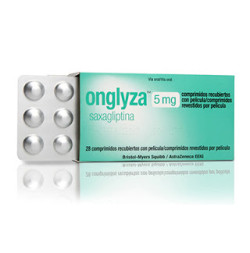
 When DPP-4 inhibitor drugs like Onglyza first entered the market, they were touted as one of the biggest breakthroughs for the treatment of type-2 diabetes.
However, mounting evidence suggests use of Onglyza and cancer may be linked.
How Does Onglyza Work?
Onglyza (saxagliptin) was approved by the U.S. Food and Drug Administration (FDA) in 2009, and is commonly prescribed, along with diet and exercise, to help control high blood sugar in patients with type-2 diabetes who do not suffer from a condition called diabetic ketoacidosis.
Onglyza belongs to a class of diabetes drugs known as DPP-4 inhibitors or incretin mimetics, which are designed to help the pancreas secrete more insulin and prevent the liver from making excess sugar.
DPP-4 breaks down a hormone known as GLP-1. This hormone is very important because it provides a signal to the pancreas and instructs it to produce more insulin. By inhibiting the DPP-4 enzyme from breaking down GLP-1, it allows GLP-1 to stay in the body longer to allow the pancreas to produce more insulin.
People with diabetes have too much sugar in their blood because their bodies do not make enough of the GLP-1 hormone, causing their pancreas to not produce enough insulin.
Onglyza also helps reduce blood sugar in diabetics by reducing the amount of the hormone glucagon produced by the pancreas.
This hormone instructs the liver to make more glucose. Too much glucose in the blood can also lead to an excessive amount of blood sugar.
However, serious concerns have been raised recently about the use of Onglyza and cancer risk, specifically thyroid and pancreatic cancer.
The Onglyza and Cancer Connection
Onglyza operates on the same GLP-1 pathway as incretin mimetics, which have been linked to thyroid cancer.
Patients taking Onglyza should be aware of possible thyroid cancer symptoms, including:
- Lump or nodule on the lower front and center part of the neck
- Swelling on the neck
- Changes in voice
- Unexplained coughing or hoarseness
- Problems breathing or swallowing
- Enlarged or painful lymph nodes in the neck
Additionally, in 2013 the FDA issued a Drug Safety Communication to evaluate a study that uncovered a possible increased risk of pancreatitis and pre-cancerous findings in the pancreas of patients taking Onglyza and similar drugs.
The study published in the medical journal Diabetics showed that DPP-4 inhibitors like Onglyza might actually increase a patient’s risk for developing pancreatic cancer.
The study reviewed FDA reports through 2014 and found a higher risk of pancreatic cancer in people who took DPP-4 inhibitors than the normal population that didn’t.
Filing an Onglyza Cancer Lawsuit
Since Onglyza is relatively new to the market, there is little research available about Onglyza and cancer risks.
Still, hundreds of patients who used DPP-4 inhibitor drugs like Onglyza in the past have filed claims against the drug manufacturing companies for failing to provide adequate warning for Onglyza and cancer.
If you or a loved one took Onglyza and have since suffered thyroid cancer or pancreatic cancer, contact a reputable Onglyza cancer attorney today for legal help.
You may have grounds to file an Onglyza cancer lawsuit against AstraZeneca and Bristol-Myers Squibb, in order to pursue financial compensation for your injuries and medical expenses.
In general, Onglyza lawsuits are filed individually by each plaintiff and are not class actions.
Do YOU have a legal claim? Fill out the form on this page now for a free, immediate, and confidential case evaluation. The attorneys who work with Top Class Actions will contact you if you qualify to let you know if an individual Onglyza lawsuit or Ongylyza class action lawsuit is best for you. Hurry — statutes of limitations may apply.
ATTORNEY ADVERTISING
Top Class Actions is a Proud Member of the American Bar Association
LEGAL INFORMATION IS NOT LEGAL ADVICE
Top Class Actions Legal Statement
©2008 – 2026 Top Class Actions® LLC
Various Trademarks held by their respective owners
This website is not intended for viewing or usage by European Union citizens.
Get Help – It’s Free
Join a Free Onglyza Lawsuit Investigation
If you or a loved one were injured from Onglyza side effects such as heart failure, thyroid cancer or pancreatic cancer, you may have a legal claim. See if you qualify to pursue compensation and join a free Onglyza lawsuit investigation by submitting your information for a free case evaluation.
An attorney will contact you if you qualify to discuss the details of your potential case.
Please Note: If you want to participate in this investigation, it is imperative that you reply to the law firm if they call or email you. Failing to do so may result in you not getting signed up as a client, if you qualify, or getting you dropped as a client.
Oops! We could not locate your form.