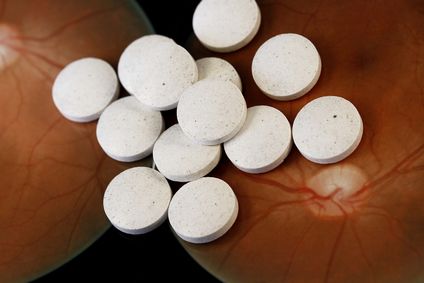
 New research suggests that users of common quinolone antibiotics, which include Levaquin and Ciprofloxacin (Cipro), may face an increased risk of retinal detachment, which could lead to blindness, vision loss and other serious vision problems.
In a study published in the current issue of the Journal of the American Medical Association (JAMA), Canadian researchers found that the risk of retinal detachment among users of Levaquin, Cipro and other antibiotics that are part of a class of medications known as fluorquinolones was five times higher. This is a serious eye problem that requires emergency treatment to prevent the retina from completely detaching from its underlying layer of support tissue.
The researchers conducted the quinolone antibiotic study because they were concerned that the same side effects of antibiotics Levaquin and Cipro that impact cartilage and connective tissue and cause a risk of tendon ruptures could also affect the eye.
People treated by ophthalmologists for the emergency condition were five times more likely to be taking drugs known as fluoroquinolones, which include Ciprofloxacin (Cipro) and Levofloxacin (Levaquin), than those who didn’t have retinal detachment.
“We know that these drugs are toxic to connective tissue and cartilage,” according to the study’s lead author, noting past studies linking fluoroquinolone side effects with damage to Achilles and shoulder tendons.
Researchers used data from doctors’ treatment records for everyone in British Columbia who saw an ophthalmologist between 2000 and 2007 — almost 1 million patients. That included about 4,400 people diagnosed with retinal detachment. They were an average of 61 years old.
Prescription records showed that one out of every 30 patients with retinal detachment was taking a quinolone antibiotic at the time, most commonly Cipro. Most antibiotic users were taking the drugs for respiratory or urinary tract infections.
The researchers couldn’t be sure why the drugs were tied to an increased risk of retinal problems, but said the most likely explanation is that they damage fibers and connective tissue attaching the retina to the eye’s vitreous gel. However, based on the findings of this quinolone antibiotic study, it appears that consumers and the medical community could have been provided better warnings about the risk of retinal detachment, so users would be aware of potential early symptoms of retinal detachment, such as:
- Flashes of light
- Floaters or “hairs” visible to the temporal side of the central vision
- Dramatic increases in the number of floaters
- Feeling of heaviness in the eye
- Dense shadow progressing from peripheral to central vision
- Impression that a veil or curtain was drawn over field of vision
- Central vision loss
What is Retinal Detachment?
Retinal detachment, which starts as the appearance of lines, dots or “floaters” across the eye, can cause permanent blindness in some cases if it’s not surgically treated within a few days.
Retinal detachment is characterized by a separation of the retina from the underlying tissue in the eye. Among the different types of retinal detachment, rhegmatogenous retinal detachment (RRD) is the most common. RRD results from retinal breaks caused by vitreoretinal traction.
Risk factors commonly associated with retinal detachment include advancing age, previous cataract surgery, myopia and trauma. Patients generally present with symptoms such as light flashes, floaters, peripheral visual field loss and blurred vision. Retinal detachment is a serious medical emergency that generally requires prompt surgical intervention.
Antibiotic Retinal Detachment Lawsuits
Although data on the connection between retinal detachment and Levaquin or Cipro use is still being evaluated, many of these quinolone antibiotic users who have been left with serious and permanent vision problems are considering filing Cipro or Levaquin retinal detachment lawsuits as a result of the drug makers’ failure to research the side effects of their antibiotics or warn about the risk of these serious eye problems.
Do YOU have a legal claim? Fill out the form on this page now for a free, immediate, and confidential case evaluation. The attorneys who work with Top Class Actions will contact you if you qualify to let you know if an individual lawsuit or class action lawsuit is best for you. [In general, antibiotic injury lawsuits are filed individually by each plaintiff and are not class actions.] Hurry — statutes of limitations may apply.
ATTORNEY ADVERTISING
Top Class Actions is a Proud Member of the American Bar Association
LEGAL INFORMATION IS NOT LEGAL ADVICE
Top Class Actions Legal Statement
©2008 – 2026 Top Class Actions® LLC
Various Trademarks held by their respective owners
This website is not intended for viewing or usage by European Union citizens.
Get Help – It’s Free
Join a Free Fluoroquinolone Antibiotic Class Action Lawsuit Investigation
If you took Cipro, Levaquin, Avelox, Noroxin or Factive and were diagnosed with an eye injury or nerve damage, you may have a legal claim. Submit your information now for a free case evaluation.
An attorney will contact you if you qualify to discuss the details of your potential case at no charge to you.
Oops! We could not locate your form.