
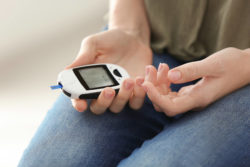
 Plaintiff Surendra K. has lodged a transmetatarsal amputation lawsuit against Janssen Pharmaceuticals regarding its diabetes medication Invokana. The plaintiff is seeking judgement as a result of the damages and injuries sustained allegedly due to taking Invokana, including a transmetatarsal amputation.
The risk of transmetatarsal amputation when using Invokana or similar drugs, according to the plaintiff’s lawsuit, was not properly disclosed to her well in advance so that she can make an informed decision about whether or not to use the medication to begin with. This is not the first transmetatarsal amputation lawsuit filed against Janssen regarding use of Invokana.
In 2013, the Food and Drug Administration in the United States initially approved Invokana for the treatment of type-2 diabetes.
This made it the first drug in its class to obtain FDA approval. However, many patients have come forward with reports over adverse side effects, including transmetatarsal amputation. The most recent transmetatarsal amputation lawsuit says that the makers of the drug are responsible for informing the medical community and potential users of the drug about the possible dangers.
The transmetatarsal amputation lawsuit, however, says that the higher risk of amputation was never disclosed to the patient prior to her receiving a prescription for and ingesting Invokana.
There are many other risks associated with Invokana including ketoacidosis. One of the impacts of the increased elimination via urination often caused in conjunction with ketoacidosis is that the body is less able to fight infections or to heal, dramatically increasing the risk of dangerous infections that can spread to the bones or ulcers.
Ultimately, adverse health events could lead to doctors recommending transmetatarsal amputation because of the dangers associated with the drug. The transmetatarsal amputation lawsuit says that the labelling and prescribing information failed to disclose the need to monitor ketones, failed to provide appropriate warnings about the serious safety risks, failed to include a box warning about the dangers of cardiovascular injury and failed to include a warning about the increased risk of amputations.
When a doctor recommends amputation for a patient, the connection between the use of a diabetes drug and the need for amputation might not be immediately clear. An amputation can make it impossible for a patient to live his or her life normally again, and the discovery that this situation might have been prevented by avoiding a particular drug can be devastating.
If your doctor told you that you needed a transmetatarsal amputation after you took Invokana for the treatment of your diabetes, this could be your first step towards holding the company accountable and filing a lawsuit to recover compensation.
Those patients who have already undergone a transmetatarsal amputation might be eligible to pursue a lawsuit with the help of an experienced attorney. With all the changes in a patient’s life following an amputation, the emotional and the physical costs can be overwhelming for a victim and his or her family members, making it hard to move on from this chapter.
The Transmetatarsal Amputation Lawsuit is Case No. 3:18-cv-10454-BRM-LHG filed in the United States District Court, District of New Jersey.
In general, Invokana and Invokamet lawsuits are filed individually by each plaintiff and are not class actions.
Do YOU have a legal claim? Fill out the form on this page now for a free, immediate, and confidential case evaluation. The attorneys who work with Top Class Actions will contact you if you qualify to let you know if an individual lawsuit or class action lawsuit is best for you. Hurry — statutes of limitations may apply.
ATTORNEY ADVERTISING
Top Class Actions is a Proud Member of the American Bar Association
LEGAL INFORMATION IS NOT LEGAL ADVICE
Top Class Actions Legal Statement
©2008 – 2026 Top Class Actions® LLC
Various Trademarks held by their respective owners
This website is not intended for viewing or usage by European Union citizens.
Get Help – It’s Free
Join a Free Invokana Class Action Lawsuit Investigation
If you or a loved one suffered ketoacidosis or lower extremity amputation after taking Invokana, Invokamet, or Invokamet XR, you may have a legal claim. See if you qualify to pursue compensation and join a free diabetes medication class action lawsuit investigation by submitting your information for a free case evaluation.
An attorney will contact you if you qualify to discuss the details of your potential case.
PLEASE NOTE: If you want to participate in this investigation, it is imperative that you reply to the law firm if they call or email you. Failing to do so may result in you not getting signed up as a client or getting you dropped as a client.
Oops! We could not locate your form.










One thought on Patient Says Invokana Increased Risk of Transmetatarsal Amputation