
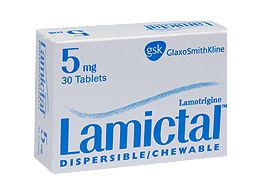
 Lamictal is a powerful anti-convulsant drug manufactured by GlaxoSmithKline. This drug is also oftentimes prescribed by mental health professionals to treat bipolar disorder and seizure disorder.
The U.S. Food and Drug Administration (FDA) gave Lamictal a black box warning, the most serious warning it issues, because the drug has been linked to a life-threatening skin condition known as Stevens Johnson Syndrome (SJS).
Despite the black box warning, thousands still take Lamictal because they either haven’t been warned of the possible risk of SJS or simply believe that no drug is better for treating their condition.
The Lamictal SJS Risk
The FDA warns that if Stevens Johnson Syndrome were to occur, it would typically appear in the first two to eight weeks after starting the prescription. At this time, it is unknown what causes Stevens Johnson Syndrome to occur in some patients, but many medical experts attribute the possible increase to specific drug combinations and note that most cases appear in adults more than children.
Without specific confirmation of the exact trigger, many physicians still prescribe Lamictal due to its effectiveness to their patients. Lamictal is oftentimes prescribed to treat seizures, epilepsy, bipolar disorder, peripheral neuropathy, cluster headaches, depression, migraines, and neuropathic pain.
SJS Lamictal Symptoms
Stevens Johnson Syndrome is a rare disorder that occurs when the body has an intense allergic reaction, usually to a medication or drug. However, the reaction also can be brought on by an illness or infection. The allergic reaction affects the skin and mucous membranes, especially around the mouth, eyes and nose.
Those who have Lamictal SJS usually will experience flu-like symptoms first, including a sore throat, fever, cough and burning eyes. As the disorder progresses, a fast-spreading red to purple rash will appear and blister on the affected areas. The rash can be very painful. Eventually, the top layer of skin will die and slough off, leaving the underlying area of skin exposed.
If SJS is not treated immediately, it can develop into a much more critical condition called toxic epidermal necrolysis (TEN). The main difference between SJS and TEN is the amount of body covered by the rash: patients with 30 percent or more of their bodies covered by the rash are diagnosed with the more serious TEN.
The patient mortality rate increases with the amount of body area covered by the rash. Patients with TEN have higher death rates than those with SJS. On average, patients with TEN have a 30 to 35 percent mortality rate, while those with SJS have a 5 to 15 percent mortality rate.
Patients who have SJS or TEN require emergency medical care and must be hospitalized as soon as possible to treat the condition. As the skin sloughs off, it leaves the underlying skin open and exposed to infection, which is the main reason why patients with SJS or TEN die.
Because of the seriousness of their condition and the risk of death, patients with SJS and TEN are treated in the ICU or burn unit. Some of the possible long-term effects of a SJS attack include:
- Cellulitis
- Internal organ damage
- Skin damage
- Vision loss and other eye sight problems
Lamictal SJS Lawsuits
It is important for patients to be aware of the risks of Lamictal. Patients who have experienced a rash or been diagnosed with Stevens Johnson Syndrome after taking Lamictal should seek legal advice to determine whether or not they were properly warned of the risks of taking Lamictal. Particularly, in light of the FDA black box warning.
The legal allegations that could be brought against GlaxoSmithKline potentially include negligence, false advertising, concealing information and other similar allegations.
Do YOU have a legal claim? Fill out the form on this page now for a free, immediate, and confidential case evaluation. The Stevens Johnson Syndrome attorneys who work with Top Class Actions will contact you if you qualify to let you know if an individual lawsuit or class action lawsuit is best for you. [In general, SJS lawsuits are filed individually by each plaintiff and are not class actions.] Hurry — statutes of limitations may apply.
ATTORNEY ADVERTISING
Top Class Actions is a Proud Member of the American Bar Association
LEGAL INFORMATION IS NOT LEGAL ADVICE
Top Class Actions Legal Statement
©2008 – 2026 Top Class Actions® LLC
Various Trademarks held by their respective owners
This website is not intended for viewing or usage by European Union citizens.
Get Help – It’s Free
Help for Victims of Stevens Johnson Syndrome
If you or a loved one were diagnosed with Stevens Johnson Syndrome (SJS) or toxic epidermal necrolysis (TEN) after taking a prescribed or over-the-counter medication, you may be eligible to take legal action against the drug’s manufacturer. Filing an SJS lawsuit or class action lawsuit may help you obtain compensation for medical bills, pain and suffering, and other damages. Obtain a free and confidential review of your case by filling out the form below.
An attorney will contact you if you qualify to discuss the details of your potential case at no charge to you.
Oops! We could not locate your form.












One thought on Lamictal Side Effects May Cause Stevens Johnson Syndrome