Lamictal is a popular anticonvulsant medication that is also approved as a mood stabilizer for conditions such as bipolar disorder in addition to its more traditional use as an epileptic treatment.
However, despite its broad uses and potential health benefits, this antiepileptic drug has a FDA mandated black box warning because of a risk of Stevens Johnson Syndrome (SJS).
On rare occasions Lamictal can cause Lamictal rashes, which can lead to Lamictal SJS, a serious skin reaction that can lead to long term hospitalization, recovery, and, in severe cases, even death. More specifically, Lamictal rashes that could possibly cause Lamictal SJS occur in about eight out of every 1,000 patients age 16 and under.
For adult Lamictal users who are prescribed this drug as a bipolar medication, a Lamictal rash is likely to occur in about one in every 1,000 patients.
Toxic Epidermal Necroylsis (TEN), a more serious version of SJS, has also been known to occur after the development of a Lamictal rash, but it is reportedly so rare that the rate is not easily estimated. Death is also a rare Lamictal side effect, but has been known to occur as a result of Lamictal TEN and SJS.
In addition to age, other factors that may increase a patient’s risk of serious Lamictal rashes that may lead to SJS include:
- The use of Depakote in addition to Lamictal
- The ingestion of more than the recommended dose when first beginning Lamictal therapy
- A rapid increase of a Lamictal dosage soon after the initial prescription.
Almost all known cases of a Lamictal rash that later lead to life threatening SJS generally occur within two to eight weeks of a patient beginning their Lamictal prescription. There have also been very rare Lamictal cases where a Lamictal rash occurred longer after the initial use of the anti-epileptic drug, meaning that if a patient develops a rash at any point after using Lamictal, he or she should consult a doctor.
It is important to remember that not all Lamictal rashes are serious, but there is no good way to tell whether a Lamictal rash is dangerous and may lead to SJS or TEN. This means that you should consult a doctor right away and see if drug discontinuation of Lamictal is an option.
However, stopping a Lamictal treatment may not be enough to clear up a Lamictal rash or deter a Lamictal SJS reaction, which can be life-threatening and/or permanently disfiguring or disabling.
Lamictal Stevens Johnson Syndrome Side Effects
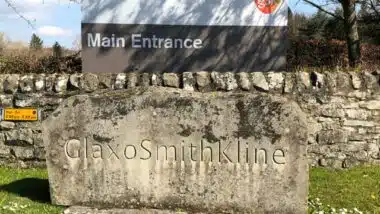
Lamictal (also known as Lamotrigine) was FDA approved to treat Lennox-Gastaut Syndrome, a form of child-onset epilepsy in 2004. Since then, Lamictal’s manufacturer GlaxoSmithKline has successfully marketed its anti-seizure drug within the U.S. medical community and raked in massive profits.
However, according to Lamictal clinical trials, an estimated 10 percent of users of this seizure medication experienced a type of Lamictal rash on their bodies. Not all the Lamictal rashes were severe. However, in some patients the Lamictal rashes were the first sign that they had developed Lamictal SJS or TEN.
Some symptoms and side effects of Lamictal Stevens Johnson Syndrome include:
- Painful blistering of the skin and mucous membrane
- Flu like symptoms and high fever
- Skin that literally sloughs off
- Ocular involvement includes severe conjunctivitis, iritis, palpebral edema, conjunctival and corneal blisters and erosions, and corneal perforation
Because of the pain patients may experience after developing Lamictal SJS and TEN, many consumers may decide to file a Lamictal SJS lawsuit or join a Lamcital Steven Johnson Syndrome class action lawsuit.
Do YOU have a legal claim? Fill out the form on this page now for a free, immediate, and confidential case evaluation. The Stevens Johnson Syndrome attorneys who work with Top Class Actions will contact you if you qualify to let you know if an individual lawsuit or class action lawsuit is best for you. [In general, SJS lawsuits are filed individually by each plaintiff and are not class actions.] Hurry — statutes of limitations may apply.
ATTORNEY ADVERTISING
Top Class Actions is a Proud Member of the American Bar Association
LEGAL INFORMATION IS NOT LEGAL ADVICE
Top Class Actions Legal Statement
©2008 – 2026 Top Class Actions® LLC
Various Trademarks held by their respective owners
This website is not intended for viewing or usage by European Union citizens.
Get Help – It’s Free
Help for Victims of Stevens Johnson Syndrome
If you or a loved one were diagnosed with Stevens Johnson Syndrome (SJS) or toxic epidermal necrolysis (TEN) after taking a prescribed or over-the-counter medication, you may be eligible to take legal action against the drug’s manufacturer. Filing an SJS lawsuit or class action lawsuit may help you obtain compensation for medical bills, pain and suffering, and other damages. Obtain a free and confidential review of your case by filling out the form below.
An attorney will contact you if you qualify to discuss the details of your potential case at no charge to you.
Oops! We could not locate your form.