
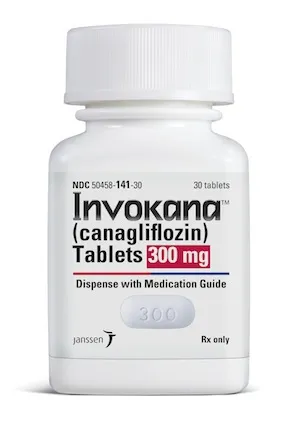
 In response to a May 2015 FDA Safety Communication about a possible link between diabetes medications and ketoacidosis, researchers employed by Johnson & Johnson’s Janssen Research and Development subsidiary have responded to concerns about their type-2 diabetes medication, Invokana, in their own internal study.
The Janssen Invokana study published in the August issue of the journal Diabetes Care reportsincidents of diabetic ketoacidosis among Invokana patients are “rare.”
The study was based on an analysis of 17,596 patients who participated in randomized Invokana studies. Overall, 0.07 percent of participants, or 12 patients who were treated with Invokana, were diagnosed with diabetic ketoacidosis and related events. Of those 12 patients, 4 received 100 mg of Invokana (canagliflozin), 6 took the 300 mg dose, and 2 were treated with a “comparator.”
Janssen researchers concluded that “diabetic ketoacidosis [DKA] and related events occurred at a low frequency in the canagliflozin type 2 diabetes program, with an incidence consistent with limited existing observational data in the general population with type 2 diabetes.”
What is Invokana?
Invokana (canagliflozin) is a medication used to treat type-2 diabetes. It is a member of the SGLT2 class of diabetes medications, which also includes the medications empagloflozin (Jardiance) and dapagliflozin (Farxiga). Invokana is also available in combination form with the drug metformin, sold under the brand name Invokamet.
The diabetes medication was developed by a Japanese pharmaceutical company, Mitsubishi Tanabe Pharma Corporation, but is licensed for manufacture and marketing in the U.S. by Janssen, a subsidiary of the pharmaceutical giant Johnson & Johnson.
Invokana was designed to help patients who had not responded to other drug treatments. Unfortunately, Invokana may pose serious medical risks, including the occurrence of diabetic ketoacidosis.
Diabetic Ketoacidosis Cases Under FDA Review
In May 2015, the Food and Drug Administration (FDA) issued a warning statement regarding SGLT2 inhibitors, including Invokana. The FDA issued the warning after receiving reports of over 20 patients who experienced diabetic ketoacidosis between March 2013 and April 2014 after taking SGLT2 inhibitors. In the warning, the FDA advised that patients taking diabetes medication such as Invokana be evaluated for ketoacidosis symptoms, which include:
- Difficulty breathing
- Nausea
- Vomiting
- Abdominal pain
- Confusion
- Unusual fatigue and sleepiness
- “Fruity” breath
Invokana Lawsuits
Injury caused by diabetes medications may require the need for hospitalization and long-term medical care. Patients who are injured by diabetes medications may be eligible for financial compensation for medical expenses, lost wages, and pain and suffering. Loved ones of patients who die due to medication injury may be eligible for wrongful death compensation.
Attorneys are now investigating Invokana lawsuits and other SGLT2 inhibitor claims on behalf of type-2 diabetics who suffered diabetic ketoacidosis while they were using Invokana or other diabetes medications.
In general, diabetes medication lawsuits are filed individually by each plaintiff and are not class actions.
Do YOU have a legal claim? Fill out the form on this page now for a free, immediate, and confidential case evaluation. The attorneys who work with Top Class Actions will contact you if you qualify to let you know if an individual lawsuit or class action lawsuit is best for you. Hurry — statutes of limitations may apply.
ATTORNEY ADVERTISING
Top Class Actions is a Proud Member of the American Bar Association
LEGAL INFORMATION IS NOT LEGAL ADVICE
Top Class Actions Legal Statement
©2008 – 2026 Top Class Actions® LLC
Various Trademarks held by their respective owners
This website is not intended for viewing or usage by European Union citizens.
Get Help – It’s Free
Join a Free Diabetes Medication Class Action Lawsuit Investigation
If you or a loved one suffered ketoacidosis or kidney failure after taking Invokana, Invokamet, Farxiga, Xigduo XR, Jardiance or Glyxambi, you may have a legal claim. See if you qualify to pursue compensation and join a free diabetes medication class action lawsuit investigation by submitting your information for a free case evaluation.
An attorney will contact you if you qualify to discuss the details of your potential case.
Oops! We could not locate your form.










One thought on J&J Invokana Study Claims Ketoacidosis Is Rare