 Product liability attorneys are investigating potential Invokana lawsuits and are looking for potential plaintiffs.
An Invokana lawsuit will likely allege that the company failed to warn about dangerous side effects associated with the medication.
Invokana is a SGLT2 inhibitor approved by the Food and Drug Administration to help lower blood sugar levels in adults diagnosed with type 2 diabetes. The medication is supposed to be used with proper diet and exercise to maintain a healthy lifestyle.
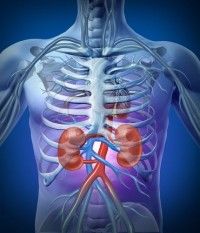
SGLT2 inhibitors work by removing sugar from the kidneys and then excreting the sugars through the body’s urine. Examples of SGLT2 inhibitors include Invokamet, Farxiga, Xigduo XR, Jardiance, Glyxambi, and Invokana.
The FDA recently released a warning that various type 2 diabetes medications that contain the active ingredients canaglifozin, dapagliflozin, and empagliflozin may cause a serious medical condition known as ketoacidosis. Invokana contains canaglifozin.
Ketoacidosis is a dangerous condition in which the body produces high levels of blood acids. The condition usually develops when a person’s body cannot produce enough insulin.
Insulin helps sugar, an energy source, enter the cells. Without the insulin the body begins to break down fat, which builds up acid in the bloodstream.
These blood acids are called ketones and the condition often requires hospitalization. Over 20 cases of diabetic ketoacidosis were reported to the FDA between March 2013 and June 2014.
Twenty of these cases required hospitalization or a trip to the local emergency room for treatment. The FDA has received several more incidences of diabetes ketoacidosis since June 2014.
Ketoacidosis symptoms include difficulty breathing, confusion, abdominal pain, dry or flushed skin, excessive thirst, fruity smelling breath, frequent urination, high blood sugar levels, and dry mouth. If left untreated, diabetic ketoacidosis can lead to diabetic coma, a sleep-like state in which the patient is unconscious.
Product liability attorneys have begun investigating the possibility of bringing Invokana and other SGLT2 inhibitor lawsuits. The potential awards and settlements from these lawsuits could help victims pay medical bills.
Compensation from these lawsuit could also help serve as a step toward compensating victims for the pain and suffering. These lawsuits generally allege that the pharmaceutical companies violated consumer protection laws and assert claims for negligence, fraud and misrepresentation, breach of warranty, and strict products liability.
Whether an Invokana lawsuit should be brought is a decision made on a case by case basis with the advice of a legal professional. Product liability attorneys can help evaluate the strength of a person’s case and assist clients in deciding the best course of action to take.
In general, diabetes medication lawsuits are filed individually by each plaintiff and are not class actions.
Do YOU have a legal claim? Fill out the form on this page now for a free, immediate, and confidential case evaluation. The attorneys who work with Top Class Actions will contact you if you qualify to let you know if an individual lawsuit or class action lawsuit is best for you. Hurry — statutes of limitations may apply.
ATTORNEY ADVERTISING
Top Class Actions is a Proud Member of the American Bar Association
LEGAL INFORMATION IS NOT LEGAL ADVICE
Top Class Actions Legal Statement
©2008 – 2026 Top Class Actions® LLC
Various Trademarks held by their respective owners
This website is not intended for viewing or usage by European Union citizens.
Get Help – It’s Free
Join a Free Diabetes Medication Class Action Lawsuit Investigation
If you or a loved one suffered ketoacidosis or kidney failure after taking Invokana, Invokamet, Farxiga, Xigduo XR, Jardiance or Glyxambi, you may have a legal claim. See if you qualify to pursue compensation and join a free diabetes medication class action lawsuit investigation by submitting your information for a free case evaluation.
An attorney will contact you if you qualify to discuss the details of your potential case.
Oops! We could not locate your form.