
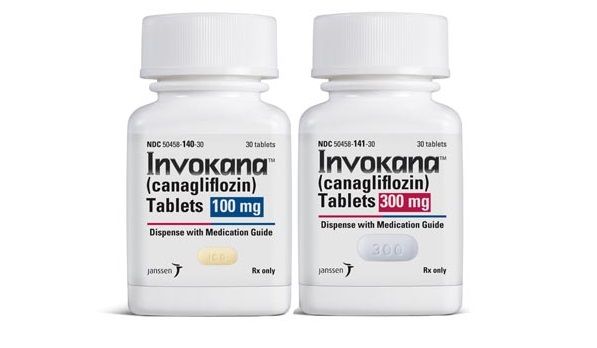
 Johnson & Johnson is facing a new Invokana lawsuit, after a woman allegedly developed diabetic ketoacidosis soon after being prescribed the medication.
Texas plaintiff Keisha J. is filing this Invokana lawsuit after allegedly developing diabetic ketoacidosis soon after taking the medication.
The claimant had agreed to take the drug to treat her type-2 diabetes symptoms, but instead had her condition compounded by Invokana diabetic ketoacidosis.
Keisha had been prescribed Invokana in March 2014, after discussing different options with her physician and reviewing Johnson & Johnson’s advertisements.
Only after a few months of using the medication, she had allegedly developed Invokana diabetic ketoacidosis in October 2014.
Keisha had agreed to take Invokana to lower her blood sugar to help manage her diabetic symptoms, but instead had allegedly developed ketoacidosis and even acute kidney injury.
Kidney damage is often correlated with diabetic ketoacidosis, as this condition directly impacts the body’s filtration process.
Overview of Invokana Diabetic Ketoacidosis
Invokana (canagliflozin) is a part of the sodium glucose contransporter 2 (SGLT2) drug family, which work by reducing the amount of blood sugar in the body.
These medications work by preventing the body from reabsorbing excess glucose, and by filtering this excess glucose through urination.
This process directly involves the kidneys, as this organ is responsible for filtering the toxins and waste from the body.
However by its influence on the kidneys, patients using this class of drugs can be at risk for kidney disease as these drugs can cause potential kidney damage.
Not long after Invokana was approved in March 2013, patients started reporting incidents of alleged Invokana diabetic ketoacidosis.
Diabetic ketoacidosis is a fairly rare occurrence in type-2 diabetes patients, which develops when the body is unable to retrieve energy from cells.
The body is able to retrieve energy with insulin, which is typically in short supply in type-2 diabetes patients and is essentially non existent in type-1 diabetes.
When there is not enough insulin, the body starts to metabolize fat, which causes toxins called ketones to build up in the blood stream.
Even though Invokana is supposed to help ensure type-2 diabetes produce sufficient insulin amounts, Keisha and other patients had allegedly developed Invokana diabetic ketoacidosis.
Keisha is filing this lawsuit against Johnson & Johnson for selling an allegedly unreasonably dangerous drug to the consumer market.
She alleges that at no point in time did Johnson & Johnson warn her and her physician of Invokana diabetic ketoacidosis, and that it was not mentioned on the drug’s warning label.
Keisha states that she never would have agreed to taken Invokana if she had known the risk of diabetic ketoacidosis.
This Invokana Lawsuit is Case No. 3:16-cv-04486, in the U.S. District Court of New Jersey, Trenton Division.
In general, Invokana lawsuits are filed individually by each plaintiff and are not class actions.
Do YOU have a legal claim? Fill out the form on this page now for a free, immediate, and confidential case evaluation. The attorneys who work with Top Class Actions will contact you if you qualify to let you know if an individual lawsuit or class action lawsuit is best for you. Hurry — statutes of limitations may apply.
ATTORNEY ADVERTISING
Top Class Actions is a Proud Member of the American Bar Association
LEGAL INFORMATION IS NOT LEGAL ADVICE
Top Class Actions Legal Statement
©2008 – 2026 Top Class Actions® LLC
Various Trademarks held by their respective owners
This website is not intended for viewing or usage by European Union citizens.
Get Help – It’s Free
Join a Free Invokana Class Action Lawsuit Investigation
If you or a loved one suffered ketoacidosis or kidney failure after taking Invokana, you may have a legal claim. See if you qualify to pursue compensation and join a free diabetes medication class action lawsuit investigation by submitting your information for a free case evaluation.
An attorney will contact you if you qualify to discuss the details of your potential case.
Please Note: If you want to participate in this investigation, it is imperative that you reply to the law firm if they call or email you. Failing to do so may result in you not getting signed up as a client, if you qualify, or getting you dropped as a client.
Oops! We could not locate your form.








One thought on Invokana Diabetic Ketoacidosis Alleged in Newly Filed Lawsuit