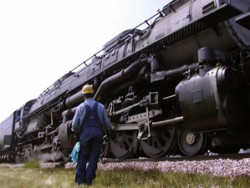
Individuals employed in the railroad industry may develop cancer after railroad work, but they may not necessarily connect their health condition with their line of employment.
In some cases, the cancer that can develop after working on the railroad industry may develop years or even decades after the employment in the industry has ceased.
Contributing Factors to Cancer after Railroad Work
Chemicals and natural substances used in the railroad industry are responsible for contributing to cancer after railroad work. The most common chemicals and products related to cancer after railroad work include benzene, creosote and asbestos.
Benzene is a product of crude oil, and is used as a solvent to dissolve or extract substances. It is also used to make other chemicals like detergents, dyes, lubricants and rubbers. Exposure to benzene has been linked to myeloid leukemia and other blood cancers and cancers of various organs including the lungs, esophagus, colon, rectum, bladder, throat and stomach.
Creosote, a liquid byproduct of heat-treated coal, plants and wood, is often used in coal tar creosote applications. Creosote exposure has been linked to cancer in the scrotum, skin cancer and other types of cancers.
Asbestos is a carcinogenic mineral that occurs naturally. When it is left undisturbed, it typically does not cause a problem, but when the fibers are inhaled after they are airborne, they can cause lung cancer or mesothelioma, a cancer of the mesothelial lining of the lungs. These cancers may take decades to develop.
Working in the presence of electromagnetic fields may also be a cause of cancer after railroad work. The cabs in trains are filled with radio equipment, electronic motors, various gauges and computers, all of which emit electromagnetic fields.
A study recently looked at 30 years of data from more than 20,000 individuals who used to be employed in the railroad industry. After analyzing the data, the researchers found that the drivers of trains were three times more likely to develop Hodgkin’s lymphoma and were five times more likely to develop myeloid leukemia.
Seeking Legal Compensation for Cancer after Railroad Work
If you have developed cancer after railroad work due to your exposure to benzene, creosote, asbestos or electromagnetic fields, or other harmful, carcinogenic products, you may be able to seek legal compensation by filing a FELA lawsuit.
The Federal Employers Liability Act, or FELA, allows individuals who develop cancer after railroad work or sustain other illnesses or injuries to file a lawsuit to receive legal compensation from the government. Illnesses such as cancer after railroad work, not just injuries, qualify for legal compensation under FELA.
If you were diagnosed with cancer after railroad work from 2013 to 2016 and were employed in the railroad industry at least five years prior to your diagnosis, you may qualify for a cancer after railroad work lawsuit. An experienced FELA attorney can conduct a free case review and can discuss your legal options in pursuing a claim.
Do YOU have a legal claim? Fill out the form on this page now for a free, immediate, and confidential case evaluation. The attorneys who work with Top Class Actions will contact you if you qualify to let you know if an individual railroad worker cancer lawsuit or class action lawsuit is best for you. [In general, railroad worker cancer lawsuits are filed individually by each plaintiff and are not class actions.] Hurry — statutes of limitations may apply.
ATTORNEY ADVERTISING
Top Class Actions is a Proud Member of the American Bar Association
LEGAL INFORMATION IS NOT LEGAL ADVICE
Top Class Actions Legal Statement
©2008 – 2026 Top Class Actions® LLC
Various Trademarks held by their respective owners
This website is not intended for viewing or usage by European Union citizens.
Get Help – It’s Free
Join a Free Railroad Worker Cancer Class Action Lawsuit Investigation
If you qualify, an attorney will contact you to discuss the details of your potential case at no charge to you.
Please Note: If you want to participate in this investigation, it is imperative that you reply to the law firm if they call or email you. Failing to do so may result in you not getting signed up as a client, if you qualify, or getting you dropped as a client.
E-mail any problems with this form to:
[email protected].
Oops! We could not locate your form.