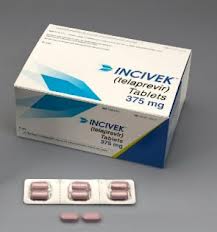
 Many drugs have been linked to life-threatening skin reactions, including Stevens Johnson Syndrome, or SJS. The hepatitis C drug Incivek has been linked to potentially-deadly medication reactions, leading some to question its safety.
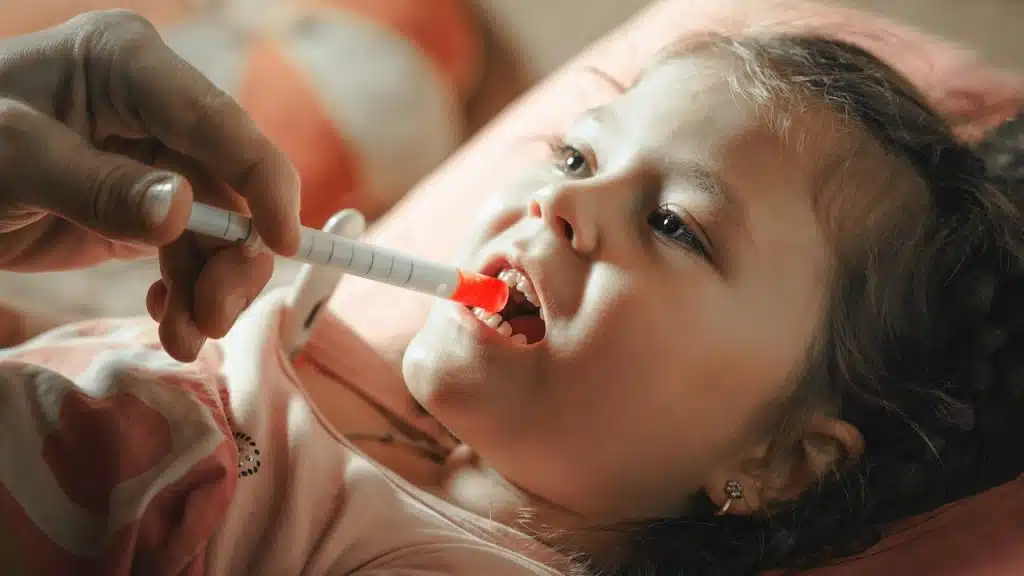
While drugs are often life-saving treatments, some people have dangerous, individualized reactions to various medications. According to the U.S. Food and Drug Administration, more than 13,042 people suffered from various drug hypersensitivity reactions in 2013. This figure includes almost 1,000 lethal reactions. Among these cases are autoimmune reactions like Stevens Johnson Syndrome (SJS). SJS is an autoimmune disease. This means that in this reaction, the body attacks its own body. In the case of SJS, the body attacks the skin. This causes life-threatening damage to the skin, eyes, and the surface of the internal organs. In the most serious cases, SJS can escalate to Toxic Epidermal Necrolysis, or TEN, a version of the disorder in which large patches of skin die and slough off.
Many questions remain about SJS and TEN. While many autoimmune reactions respond well to steroids, medical opinions are divided on the best way to treat the reaction. One thing that is known about SJS is that the reaction is almost always caused by reactions to various drugs. A host of drugs have been linked to SJS/TEN, including common drugs like painkillers, antibiotics, and seizure medications. The reaction seems to depend on the patient’s physiology. Patients with certain genes are more likely to develop SJS in response to specific drugs. But the genetics appear to be more complicated since some patients with SJS don’t have the genes and some people with the genes in question never develop SJS.
In 2012, the FDA issued a Drug Safety Communication stating that the drug Incivek may be linked to an increased risk of SJS. Incivek is a drug used to treat a hepatitis C, a viral infection. The announcement advises patients to watch out for a skin rash, the first symptom of SJS. This announcement went hand-in-hand with a new “black box” warning for the drug, the most serious warning the FDA issues. An SJS class action lawsuit investigation has been launched to explore the possibility of legal action against the makers of various drugs that have been linked to SJS and TEN. Such a lawsuit could allege that drug makers were aware of the risks associated with these drugs, but marketed them anyway, endangering patients. Class action lawsuits are a type of group lawsuit in which a number of plaintiffs allege that they have suffered similar damage at the hands of the same defendants.
In general, SJS lawsuits are filed individually by each plaintiff and are not class actions.
Do YOU have a legal claim? Fill out the form on this page now for a free, immediate, and confidential case evaluation. The attorneys who work with Top Class Actions will contact you if you qualify to let you know if an individual lawsuit or class action lawsuit is best for you. Hurry — statutes of limitations may apply.
ATTORNEY ADVERTISING
Top Class Actions is a Proud Member of the American Bar Association
LEGAL INFORMATION IS NOT LEGAL ADVICE
Top Class Actions Legal Statement
©2008 – 2026 Top Class Actions® LLC
Various Trademarks held by their respective owners
This website is not intended for viewing or usage by European Union citizens.
Get Help – It’s Free
Help for Victims of Stevens Johnson Syndrome
If you or a loved one were diagnosed with Stevens Johnson Syndrome (SJS) or toxic epidermal necrolysis (TEN) after taking a prescribed or over-the-counter medication, you may be eligible to take legal action against the drug’s manufacturer. Filing an SJS lawsuit or class action lawsuit may help you obtain compensation for medical bills, pain and suffering, and other damages. Obtain a free and confidential review of your case by filling out the form below.
An attorney will contact you if you qualify to discuss the details of your potential case at no charge to you.
Oops! We could not locate your form.