
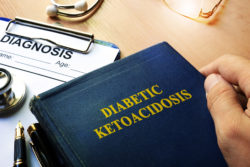
 Johnson & Johnson is facing a growing multidistrict litigation (MDL) from numerous patients who were prescribed the Invokana drug and developed serious complications like diabetic ketacidosis soon after.
One of the most recent Invokana lawsuits comes from a New Jersey man, alleging he developed diabetic ketoacidosis as a result of taking the Invokana drug.
Plaintiff Dominic G. is filing this Invokana drug lawsuit alleging Johnson & Johnson and subsidiary Janssen Pharmaceuticals either knew or should have known about the drug’s potential to increase risk of diabetic ketoacidosis.
Dominic claims he had been prescribed the Invokana drug for typical treatment purposes, which was to help control his blood sugar levels and maintain healthy insulin levels. The Invokana drug is a popular choice for type-2 diabetes treatment, as it helps prevent the body’s glucose levels from getting too high.
Invokana is a part of the SGLT2 inhibitor drug family, which works by signaling the kidneys to expel excess sugar through urination. This prevents blood sugar levels from getting too high, and should work well in patients when combined with diet and exercise.
Dominic says he took Invokana as a part of this regimen, and he closely followed prescription instructions and medical advice after starting his Invokana prescription in May 2015. In addition to following these medical instructions, Dominic says he did not use the drug for other purposes than its intended use and was not given any warnings about the drug potentially compounding his health.
However, after just eight months of treatment, Dominic was admitted for hospitalization on Jan. 1, 2016 for diabetic ketoacidosis.
Overview of Invokana Drug Complications
Diabetic ketoacidosis occurs when blood acidity becomes dangerously high. Excessive blood acidity can result when the body burns fat for fuel instead of sugar. Continued reliance on fat metabolism can cause the buildup of blood acids or ketones.
If left unchecked, this condition can cause serious damage to the patient’s kidneys and can be potentially fatal. Dominic filed legal action against Johnson & Johnson after discovering the companies may have known their Invokana drug was linked with diabetic ketoacidosis.
On May 15, 2015, the FDA issued a public safety warning that SGLT2 inhibitors may be linked to diabetic ketoacidosis. This warning came after the FDA’s Adverse Event Reporting System (FAERS) received 20 reports of cases of diabetic ketoacidosis, ketoacidosis or ketosis developing in SGLT2 inhibitor patients.
These reports were submitted between March 2013 to June 2014 by patients who required hospitalization or emergency room treatment for their conditions. Currently, the FDA continues to receive reports of diabetic ketoacidosis in conjunction with SGLT2 inhibitors.
Even though Johnson & Johnson was aware of this warning, the company allegedly failed to warn the general public. At all times relevant, Dominic used Invokana according to prescription instructions and was not given any disclosures from the company.
Dominic states he would not have used the Invokana drug if he had known its alleged link to diabetic ketoacidosis. Dominic’s Invokana lawsuit is joining MDL No. 2750, where it will stand alongside other claims alleging similar injuries.
By joining an MDL, Dominic’s claim will be streamlined through the litigation process and will avoid issues like conflicting rulings from different judges.
This Invokana Drug Lawsuit is Case No. 3:17-cv-11548-BRM-LHG, in the U.S. District Court for the District of New Jersey.
In general, Invokana and Invokamet lawsuits are filed individually by each plaintiff and are not class actions.
Do YOU have a legal claim? Fill out the form on this page now for a free, immediate, and confidential case evaluation. The attorneys who work with Top Class Actions will contact you if you qualify to let you know if an individual lawsuit or class action lawsuit is best for you. Hurry — statutes of limitations may apply.
ATTORNEY ADVERTISING
Top Class Actions is a Proud Member of the American Bar Association
LEGAL INFORMATION IS NOT LEGAL ADVICE
Top Class Actions Legal Statement
©2008 – 2026 Top Class Actions® LLC
Various Trademarks held by their respective owners
This website is not intended for viewing or usage by European Union citizens.
Get Help – It’s Free
Join a Free Invokana Class Action Lawsuit Investigation
If you or a loved one suffered ketoacidosis or lower extremity amputation after taking Invokana, Invokamet, or Invokamet XR, you may have a legal claim. See if you qualify to pursue compensation and join a free diabetes medication class action lawsuit investigation by submitting your information for a free case evaluation.
An attorney will contact you if you qualify to discuss the details of your potential case.
Please Note: If you want to participate in this investigation, it is imperative that you reply to the law firm if they call or email you. Failing to do so may result in you not getting signed up as a client, if you qualify, or getting you dropped as a client.
Oops! We could not locate your form.







One thought on Growing MDL Alleges Invokana Drug Causes Diabetic Ketoacidosis