 The U.S. Supreme Court has declined to hear General Motors’ (GM) appeal, leaving the American automotive company to face hundreds of death and injury lawsuits related to the GM ignition switch defect.
This was the final bid General Motors tried to limit the payouts from GM ignition switch defect claims, which means the litigation can proceed after being stalled. General Motors had filed the appeal after the automaker had filed for bankruptcy in 2009, in which the company argued it was protected from GM ignition switch defect claims.
GM tried to argue that its own bankruptcy protected them against these claims, because they were based on accidents that occurred before the company reorganized itself. That argument was successful in district court.
However, the U.S. Second Circuit Court of Appeals had reversed the lower court’s ruling, stating bankruptcy does not grant immunity from such product liability lawsuits.
By denying General Motors’ petition for certiorari, the Supreme Court allows the Second Circuit Court’s decision to remain. However, even with the Supreme Court’s decision, General Motors is still confident that it can successfully fend off the GM ignition switch defect claims.
“The Supreme Court’s decision was not a decision on the merits, and it’s likely that the issues we raised will have to be addressed in the future in other venues because the Second Circuit’s decision departed substantially from well-settled bankruptcy law. As a practical matter, this doesn’t change the landscape much in terms of the GM litigation,” according to a statement from General Motors.
In the meantime, General Motors will have to continue to defend itself from the GM ignition switch defect claims from customers.
Overview of GM Ignition Switch Defect Allegations
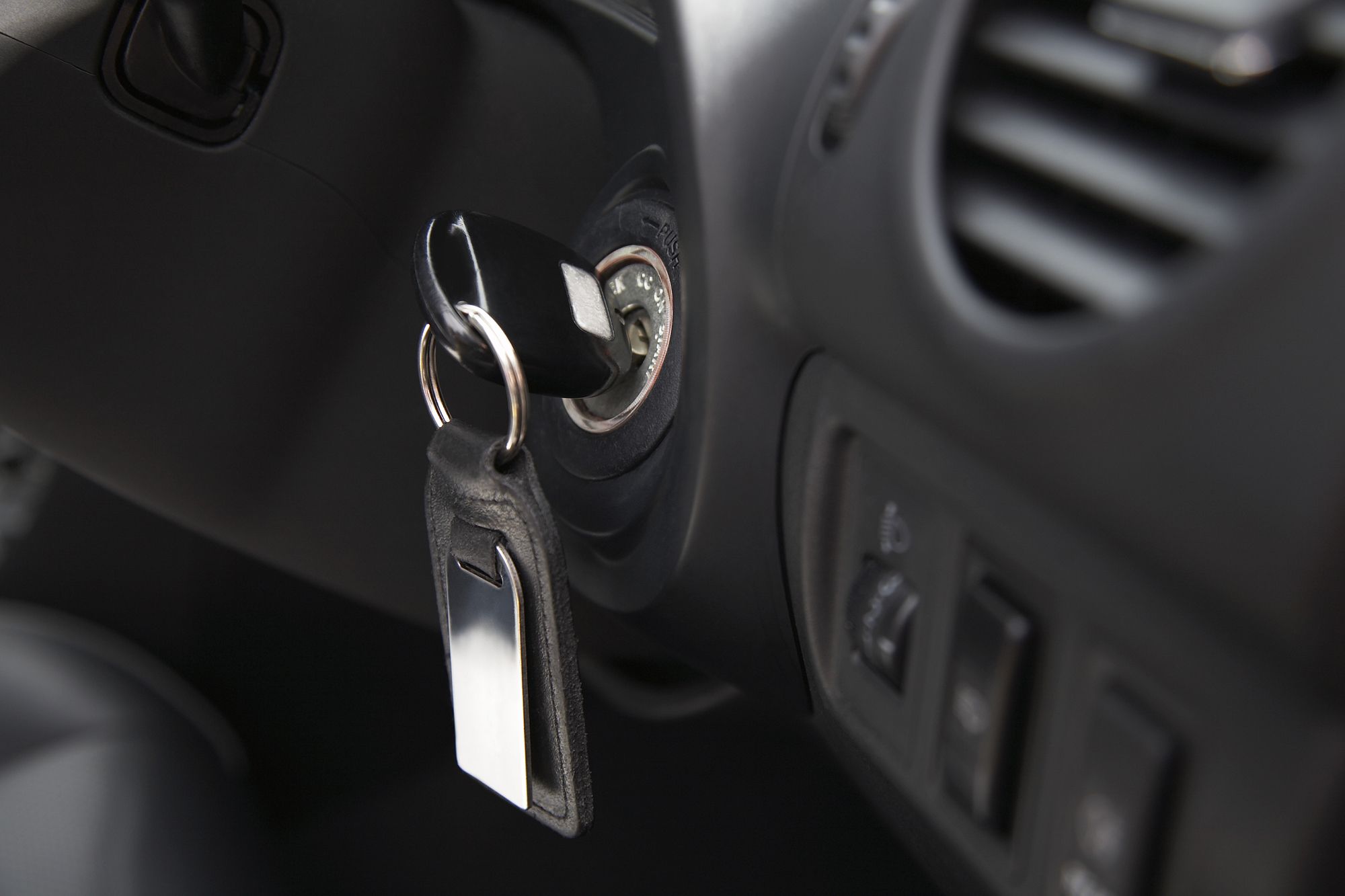
General Motors had started the process of recalling 2.6 million vehicles, after learning that a number of their vehicles may be affected by a defective ignition switch. The GM ignition switch defect reportedly causes the ignition switch to turn into the off position spontaneously while on the road, causing the engine and safety features to shut off.
This defect has allegedly caused at least 124 deaths and 275 injures, with many accidents occurring at high speeds. General Motors has had to pay close to a billion dollars in fines to both the National Highway Traffic Safety Administration and the Department of Justice.
In addition, the automotive company is subject to civil and criminal penalties, which brings the new total to $2.5 billion paid out to the government. The GM ignition switch defect recall affects cars as early as 1997 includes, but not limited to:
- 2005-2010 Chevrolet Cobalt
- 2007-2010 Pontiac G5
- 2003-2007 Saturn Ion
- 2006-2011 Chevrolet HHR
- 2006-2010 Pontiac Solstice
- 2007-2010 Saturn Sky
There are hundreds of GM ignition switch lawsuits that can now move forward due to the Supreme Court’s decision, with one estimate putting the total amount of outstanding claims at $10 billion.
This is about four times the amount General Motors has already paid in fines and penalties, with more GM ignition switch lawsuits expected to be filed.
In general, GM recall lawsuits are filed individually by each plaintiff and are not class actions.
Do YOU have a legal claim? Fill out the form on this page now for a free, immediate, and confidential case evaluation. The attorneys who work with Top Class Actions will contact you if you qualify to let you know if an individual lawsuit or class action lawsuit is best for you. Hurry — statutes of limitations may apply.
ATTORNEY ADVERTISING
Top Class Actions is a Proud Member of the American Bar Association
LEGAL INFORMATION IS NOT LEGAL ADVICE
Top Class Actions Legal Statement
©2008 – 2026 Top Class Actions® LLC
Various Trademarks held by their respective owners
This website is not intended for viewing or usage by European Union citizens.
Get Help – It’s Free
Join a Free GM Recall Class Action Lawsuit Investigation
If you qualify, an attorney will contact you to discuss the details of your potential case at no charge to you.
Please Note: If you want to participate in this investigation, it is imperative that you reply to the law firm if they call or email you. Failing to do so may result in you not getting signed up as a client, if you qualify, or getting you dropped as a client.
Oops! We could not locate your form.