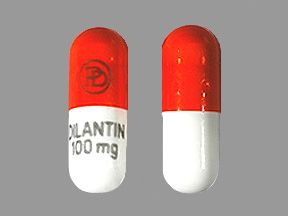
 Manufactured by Pfizer and approved by the U.S. Food and Drug Administration (FDA) in 1953, Dilantin (phenytoin) was the first modern drug intended to treat seizures, and is still the most commonly prescribed anti-seizure medication today. However, one of phenytoin’s side effects is adverse skin reactions.
According to a recent study in Taiwan, mutations in the CYP2C genes on chromosome 10 appear to predispose carriers to severe adverse skin reactions when taking phenytoin. The findings were published in the Aug. 5 issue of the Journal of the American Medical Association (JAMA).
These reactions, it was discovered, can range from mild rashes in up to 10 percent of patients to more intense responses, including Stevens Johnson Syndrome (SJS) and toxic epidermal necrolysis (TEN). While severe reactions are less common, the authors note that in cases of SJS and TEN, injury and death rates can be high, at 10 to 50 percent.
Reported in Medscape Medical News, the study’s co-author Dr. Wen Hung Chung said, “These findings may have potential to improve the safety profile of phenytoin in clinical practice and offer the possibility of prospective testing for preventing phenytoin related severe cutaneous adverse reactions.”
The study, conducted between 2002 and 2014, looked at more than 850,000 single-nucleotide polymorphisms (SNPs), then directly sequenced genes they identified as suspicious to investigate possible genetic factors associated with severe phenytoin-related skin responses. Study participants included “168 Taiwanese patients taking the drug who developed cutaneous reactions, including 13 who died from those adverse events; 130 Taiwanese patients who were tolerant of phenytoin; and 412 controls from the general Taiwanese population.”
Next Steps in Research
Other genetic markers have been previously identified as being linked to phenytoin-related skin reactions. The HLA-B*15:02 allele also had an impact, most specifically in Asians.
However, not all patients who suffer adverse reactions are carriers of the genetic variant, which leads researchers to note other causes for the skin reactions. Other factors that may come into play are lower kidney functions, or taking antibiotics simultaneously with other drugs that may react off one another, but the pharmacogenomic basis of these phenytoin-related skin reactions remains unknown. However, the research offers insights.
“This is the first strong evidence that poor metabolism of one drug may contribute to the pathogenesis for immune-mediated severe cutaneous adverse drug reactions, such as Stevens-Johnson Syndrome or TEN,” said Chung. He suggested that before prescribing phenytoin it would be effective to screen patients for both the CYP2C9*3 and HLA-B*1502 gene markers.
Neurologist Dr. Lily Jung Henson, medical director of the Swedish Neuroscience Institute in Seattle, told Medscape Medical News, “This is really fascinating because if further studies bear this finding out, we can identify the patients in whom we need to be more concerned about cutaneous adverse reactions, and potentially choose a different antiepileptic drug.”
SJS Defined
SJS is actually an autoimmune disease, but expresses as an allergic reaction. Induced by various medications, including Dilantin, the reaction causes the body to attack its own skin. Extremely rare, SJS presents differently in each victim, but does share the telltale warning signs of flu-like symptoms, followed by a red rash. If not treated, it attacks mucous membranes, including the skin and eyes, causing blistering and ulceration. Victims can suffer permanent scarring, blindness, and internal organ damage.
If allowed to progress, SJS can become toxic epidermal necrolysis (TEN), also known as skin death. With TEN, the skin suffers a reaction similar to second- and third-degree burns that can impact up to 90 percent of the body. Because of their severity, SJS and TEN are usually treated in the hospital burn unit. Both can prove fatal.
In general, Dilantin SJS lawsuits are filed individually by each plaintiff and are not class actions.
Do YOU have a legal claim? Fill out the form on this page now for a free, immediate, and confidential case evaluation. The attorneys who work with Top Class Actions will contact you if you qualify to let you know if an individual lawsuit or class action lawsuit is best for you. Hurry — statutes of limitations may apply.
ATTORNEY ADVERTISING
Top Class Actions is a Proud Member of the American Bar Association
LEGAL INFORMATION IS NOT LEGAL ADVICE
Top Class Actions Legal Statement
©2008 – 2026 Top Class Actions® LLC
Various Trademarks held by their respective owners
This website is not intended for viewing or usage by European Union citizens.
Get Help – It’s Free
Help for Victims of Stevens Johnson Syndrome
If you or a loved one were diagnosed with Stevens Johnson Syndrome (SJS) or toxic epidermal necrolysis (TEN) after taking a prescribed or over-the-counter medication, you may be eligible to take legal action against the drug’s manufacturer. Filing an SJS lawsuit or class action lawsuit may help you obtain compensation for medical bills, pain and suffering, and other damages. Obtain a free and confidential review of your case by filling out the form below.
An attorney will contact you if you qualify to discuss the details of your potential case at no charge to you.
Oops! We could not locate your form.