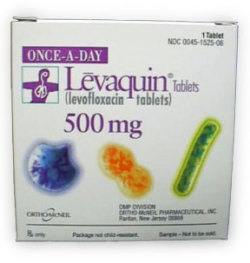
 A Levaquin lawsuit alleging the drug caused a Maryland woman to suffer peripheral neuropathy was filed against Johnson & Johnson. It is believed to be the first Levaquin peripheral neuropathy lawsuit.
Plaintiff Karyn Grossman, who filed the Levaquin lawsuit in U.S. District Court in Northern California, alleges her use of Levaquin caused her to suffer nerve damage.
Levaquin is a part of the popular fluoroquinolone antibiotic family and is used to treat a wide variety of infections. Grossman’s Levaquin side effects lawsuit alleges peripheral neuropathy has occurred in a number of patients over the years, and the defendant has taken no corrective measures.
In fact, Grossman alleges that Johnson & Johnson had known about the alleged connection between Levaquin and peripheral neuropathy for years, but chose not to include the risk on the Levaquin side effects label.
Peripheral neuropathy is a type of nerve damage that reduces sensation and movement. Symptoms of this disease can range from slight pain to severe burning feelings, leaving the patient immobile in extreme cases.
Johnson & Johnson has argued that this Levaquin side effect is extremely rare, and could be avoided if patients discontinued using the drug. However, peripheral neuropathy may not go away even if use of the drug is halted.
The Levaquin lawsuit alleges negligence, false advertising, concealing information, and misrepresenting a product. More such peripheral neuropathy lawsuits are expected.
Overview of Levaquin Peripheral Neuropathy
Levaquin is a part of the popular fluoroquinolone drug family, and is used by millions of Americans. According to Johnson & Johnson, approximately 23.1 million patients received a prescription for an oral fluoroquinolone in 2011, with Levaquin accounting for 28 percent of the patients.
New research suggests that people who use fluoroquinolone antibiotics may be twice as likely to develop peripheral neuropathy than those who use other antibiotics. Additionally, the number of fluoroquinolone injury reports indicating peripheral neuropathy continues to rise every year.
In August 2013, the U.S. Food and Drug Administration (FDA) issued a public warning addressing the risk of Levaquin side effects, stating that it and other fluoroquniolone drugs could cause severe and permanent nerve damage within weeks after taking the medication. A year later, a study published in the medical journal Neurology found that these antibiotics may double the risk of permanent peripheral neuropathy.
Do YOU have a legal claim? Fill out the form on this page now for a free, immediate, and confidential case evaluation. The attorneys who work with Top Class Actions will contact you if you qualify to let you know if an individual lawsuit or class action lawsuit is best for you. [In general, peripheral neuropathy lawsuits are filed individually by each plaintiff and are not class actions.] Hurry — statutes of limitations may apply.
ATTORNEY ADVERTISING
Top Class Actions is a Proud Member of the American Bar Association
LEGAL INFORMATION IS NOT LEGAL ADVICE
Top Class Actions Legal Statement
©2008 – 2026 Top Class Actions® LLC
Various Trademarks held by their respective owners
This website is not intended for viewing or usage by European Union citizens.
Get Help – It’s Free
Join a Free Peripheral Neuropathy Antibiotic Class Action Lawsuit Investigation
If you took Cipro, Levaquin, Avelox, Noroxin or Factive and were diagnosed with nerve damage, paralysis or peripheral neuropathy, you may have a legal claim. Submit your information now for a free case evaluation.
An attorney will contact you if you qualify to discuss the details of your potential case at no charge to you.
Oops! We could not locate your form.