

 Imitation is the highest form of flattery, but when it comes to pharmaceuticals, counterfeit drugs are a problem. Nowhere is this more true than in the world of antibiotics. In many regions of the world, people can’t afford or access needed antibiotics, but the demand is sky high. This has spurred an entire realm of business in counterfeit drugs, and with it a whole new group of superbugs.
Since Sir Alexander Fleming discovered penicillin in 1928, antibiotics have been one of the bedrocks of modern medicine. Most antibiotics work in one of two ways: bactericidal or bacteriostatic. According to A History of Antibiotics, “A Bactericidal antibiotic kills the bacteria generally by either interfering with the formation of the bacterium’s cell wall or its cell contents. … A Bacteriostatic antibiotic stops bacteria from multiplying by interfering with bacterial protein production, DNA replication, or other aspects of bacterial cellular metabolism.”
Penicillin is bactericidal; azithromycin (Zithromax) is bacteriostatic. Fake drugs are meant to be one or the other, but if improperly made, all it does is make stronger bacteria.
Birthing a Superbug
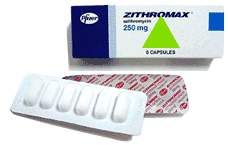
Azithromycin, sold as Zithromax, is also the main ingredient in Z-Pak and Zmax and is prescribed to treat bacterial infections such as bronchitis, pneumonia, or ear infections. It’s one of largest selling pharmaceuticals in the United States, but it is also used globally.
Internationally, the need for antibiotics is huge and growing, with demand overshadowing supply sometimes. The counterfeit drug market knows that, but their product is spurring a world of new issues. One of the worst of these is “superbugs.”
How is a superbug created? A superbug is formed when an infection becomes resistant to a variety of treatments, including antibiotics, which are impotent against it.
An investigative program being run by the World Health Organization (WHO) looking at 80 countries shows that fake antibiotics are a growing international problem. With subpar phony medications providing insufficient treatment, and being a rapidly growing industry, superbugs are becoming a more prevalent issue.
Staunching the Flow
This threat is drawing a strong response from pharmaceutical companies. Zithromax maker Pfizer Inc., for example, is collaborating with Microsoft to stop the online counterfeit drug trade. Focusing on internet-based pharmacies, the companies are using computer servers and banks tied to websites to hunt down counterfeiter networks. The maker of Zithromax has reason to drive the effort. Pfizer commands nearly 20 percent of market share in the anti-infectives drug market, and Zithromax earns it close to $400 million annually. Happily, the effort is succeeding, enabling the dismantling of thousands of pharmacies at once.
Trail of Breadcrumbs
There are two pieces to the puzzle of preventing superbugs. The counterfeit side of the problem is figuring out where the imitation drugs are coming from. According to Michael Deats, head of the WHO’s drug safety and vigilance team, the WHO surveillance program can find the cross-border links and help “identify high-risk sources.”
In earlier research, Southeast Asia was shown to be heavy traffickers in penicillin and its offshoots. But according to the WHO, the issue is more pervasive. The reach of fake drugs is far and wide. A U.S. National Association of Boards of Pharmacy survey of more than 10,000 online pharmacies, showed that “97 percent were out of compliance with U.S. pharmacy laws and standards.”
The second piece is our growing drug resistance. Tim Walsh, a professor and infectious disease researcher at Cardiff University in Wales, says that India alone produces close to 40 percent of the world’s stock of bacteria killing drugs. But even with access, as India has around a half-million pharmacies, there is widespread resistance to everyday antibiotics. In the WHO’s first global survey of antimicrobial resistance, all regions exhibited high rates of resistance to antibiotics, as did the bacteria that causes common infections.
Adding Insult to Injury
This effort to stop the flow of counterfeit drugs is not the only battle Pfizer is fighting. Zithromax has been connected to heart attacks and it’s alleged the antibiotic is especially risky to those who have existing heart issues. The company is already embroiled in a Zithromax class action lawsuit with Z-Pak victims who say that there are insufficient warnings about the Z-Pak complications.
Join a Free Zithromax Class Action Lawsuit Investigation
If you believe that you or a loved one has been the victim of a Zithromax/Z-Pak injury such as a heart attack, liver damage, or Stevens Johnson Syndrome, you have legal options. See if you qualify to join a free Zithromax class action lawsuit investigation and pursue compensation for you or your loved one’s injuries:
Oops! We could not locate your form.
ATTORNEY ADVERTISING
Top Class Actions is a Proud Member of the American Bar Association
LEGAL INFORMATION IS NOT LEGAL ADVICE
Top Class Actions Legal Statement
©2008 – 2026 Top Class Actions® LLC
Various Trademarks held by their respective owners
This website is not intended for viewing or usage by European Union citizens.

FACTA lawsuit investigation: Check your paper receipts for credit card privacy violations
November 6, 2026 | Legal News











