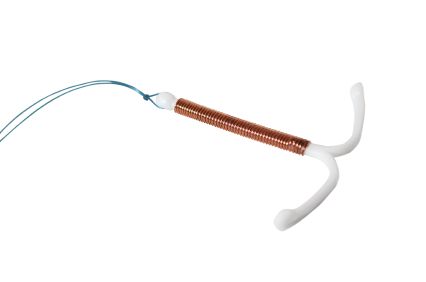
 American women are increasingly opting for longer-lasting and highly effective forms of birth control, according to new federal data.
New numbers from the U.S. Centers for Disease Control and Prevention’s National Center for Health Statistics (NCHS) show women are choosing long-acting reversible contraceptives (LARC) like the intrauterine device (IUD) more than they have in the past.
According to the numbers, IUD use, such as the Mirena IUD, increased 83 percent from 2006 to 2013 and implants tripled in use during the same time period.
The data released by CDC shows that during 2011–2013 period, 90 percent of U.S. women ages 15–44 who wanted to avoid pregnancy used contraceptives. That percentage is virtually unchanged from 2006 to 2010.
However, the new data also documents an ongoing shift in the contraceptive method mix toward more effective methods. Significantly, use of LARC methods, such as Mirena IUD and contraceptive implants, increased.
Overall, the use of LARC has increased fivefold in the past decade among women between the ages of 15 to 44, though overall usage remains low. Use spiked from 1.5 percent in 2002 to 7.2 percent in the 2011-2013 period. Women ages 25 to 34 are the most likely to choose LARC at 11 percent compared with 5 percent of women ages 15 to 24 and around 5.3 percent of women ages 35 to 44.
Mirena IUD Complications
This recent data emerges among increasing Mirena IUD lawsuits. The Mirena IUD device is used by over 2 million women in the United States. More than 70,000 reports of Mirena complications have been filed with FDA since 2000, all claiming dangerous Mirena side effects.
While the device is highly effective at preventing pregnancy, some women may experience dangerous, life-threatening side effects such as perforation of the uterus, pelvic inflammatory disease and ectopic pregnancy (pregnancy that occurs outside the uterus). The device may also spontaneously move from the uterus and embed itself in other parts of the body such as the uterine wall or abdomen, requiring surgery to remove it.
Mirena IUD uterine perforation may cause patients to experience bloating, vomiting, lower abdominal pain, heavy vaginal bleeding and other symptoms, including diminished fertility or the inability to conceive a child.
Other dangerous Mirena IUD side effects include:
- Device expulsion or migration
- Pregnancy complications
- Ectopic pregnancy
- Pelvic inflammatory disease
Mirena Lawsuits
Mirena IUD lawsuits filed against Bayer Healthcare Pharmaceuticals, Mirena’s manufacturer, claim that the company is guilty of failure to warn the public that the device is prone to spontaneous migration and perforation of the uterus. Thousands of women claim that the drug manufacturer knew of the dangerous Mirena IUD complications and released a defective product.
A federal multidistrict litigation, or MDL, has been established for all Mirena lawsuits filed in federal courts throughout the country. All Mirena lawsuits filed throughout the federal court system involving allegations that the Mirena IUD migrated after insertion will be transferred to U.S. District Judge Cathy Seibel in the Southern District of New York for coordinated proceedings.
Do YOU have a legal claim? Fill out the form on this page now for a free, immediate, and confidential case evaluation. The attorneys who work with Top Class Actions will contact you if you qualify to let you know if an individual lawsuit or Mirena IUD class action lawsuit is best for you. [In general, Mirena IUD lawsuits are filed individually by each plaintiff and are not class actions.] Hurry — statutes of limitations may apply.
ATTORNEY ADVERTISING
Top Class Actions is a Proud Member of the American Bar Association
LEGAL INFORMATION IS NOT LEGAL ADVICE
Top Class Actions Legal Statement
©2008 – 2026 Top Class Actions® LLC
Various Trademarks held by their respective owners
This website is not intended for viewing or usage by European Union citizens.
Get Help – It’s Free
Join a Free Mirena IUD Class Action Lawsuit Investigation
If you or a loved one had the Mirena IUD inserted after January 1, 2000 and had to have surgery – or will be required to have surgery – to remove the IUD because it migrated, you may have a legal claim. Fill out the form below to obtain a FREE case evaluation.
A Mirena IUD attorney will contact you if you qualify to discuss the details of your potential case at no charge to you.
Oops! We could not locate your form.