
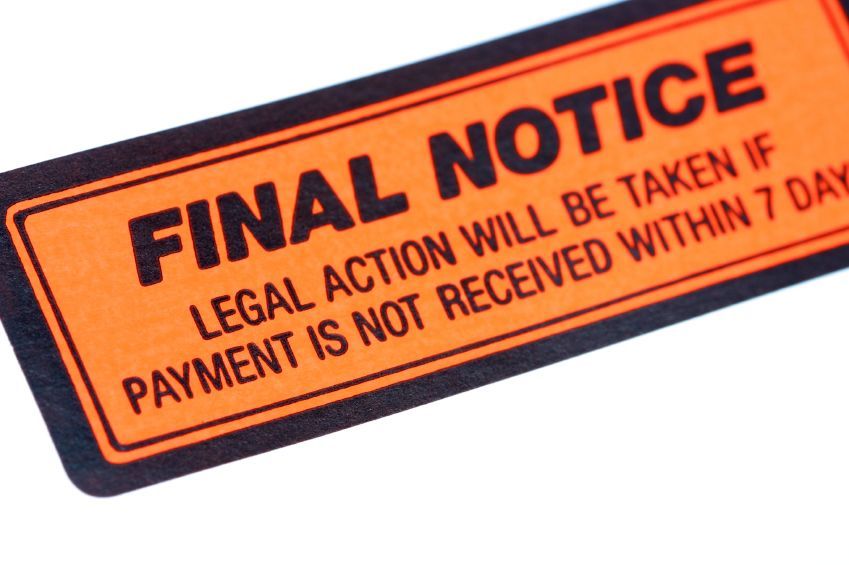
 Many people facing debt collection do not realize that there is a federal law restricting debt collectors from abusive debt collection practices, and that if a debt collector breaks these rules and participates in debt collector harassment, they may be subject to a debt collection lawsuit.
First and foremost, debt collectors are required to prove that the debt actually exists. In the United States, a law called the Fair Debt Collection Practices Act (FDCPA) governs the activities and practices of debt collectors to prevent debt collector harassment. Debt collectors are required to send a validation notice when they begin to try and collect a debt. If the alleged debtor demands it within 30 days, debt collectors are required to stop trying to contact you until they send written documentation of the debt.
Fair Debt Collection
Some of the provisions of the FDCPA block the most egregious debt collector harassment. For example, according to a summary on the Federal Trade Commission’s website, certain debt collection practices are out of bounds. For example, debt collectors may not engage in debt collector harassment. Under the FDCPA, this includes threats, telling others of the debt, using profanity, and repeatedly calling people to deliberately annoy them.
Additionally, the FDCPA forbids debt collectors from making false statements. For example, debt collectors may not claim to be government agents or attorneys, try to convince you that you’ve committed a crime when you haven’t or tell you that forms they send you are legal forms if they aren’t.
Debt collector harassment laws like the FDCPA also specifically forbid debt collectors from threatening to have you arrested for not paying a debt, threatening to seize wages or property when they are not allowed to by law, and legal threats that cannot be backed up. For example, many classes of federal benefits are exempt from wage garnishment, including social security benefits, FEMA disaster assistance, and many types of veterans’ benefits. Federal benefits are subject to very specific types of garnishments, but only for very specific types of debt like back-owed taxes, child support, student loans, and a few other debts.
Recourse For Debt Collection Abuse
The FDCPA gives victims of debt collector abuse several avenues of recourse. First, the victims of debt collector abuse may report the offender directly to the Federal Trade Commission, the Consumer Financial Protection Bureau at the federal level, as well as state attorney generals as many states have their own debt collection laws.
The FDCPA also allows people to file FDCPA lawsuits against debt collectors. Under this law, a victim of debt collector abuse can recoup at least $1,000 per violation without having to prove damages. If they can prove damages, they may collect compensation for anything the debt collectors have allegedly costs them, as well as legal fees and court costs.
Join a Free Unfair Debt Collection Class Action Lawsuit Investigation
If a lender or debt collector engaged in unfair debt collection practices, you may have a legal claim and could be owed compensation for violations of the Fair Debt Collection Practices Act (FDCPA).
DISCLAIMER: Debt collection itself is not illegal. However, debt collection firms collecting on consumer debts must adhere to the FDCPA. Even though debt attorneys are investigating these companies, their debt collection practices may be legal.
ATTORNEY ADVERTISING
Top Class Actions is a Proud Member of the American Bar Association
LEGAL INFORMATION IS NOT LEGAL ADVICE
Top Class Actions Legal Statement
©2008 – 2026 Top Class Actions® LLC
Various Trademarks held by their respective owners
This website is not intended for viewing or usage by European Union citizens.











2 thoughts onFDCPA Protects Against Debt Collector Abuse