 The numerous types of diabetes medications currently on the pharmaceuitcal market are meant to help diabetics live a more normal life.
However, according to recent reports, many of the diabetic medications have been linked with severe complications and side effects.
FDA Issues Diabetic Ketoacidosis Warning
“The U.S. Food and Drug Administration (FDA) is warning that the type-2 diabetes medicines canagliflozin, dapagliflozin, and empagliflozin may lead to ketoacidosis, a serious condition where the body produces high levels of blood acids called ketones that may require hospitalization,” according to a statement released by the federal agency.
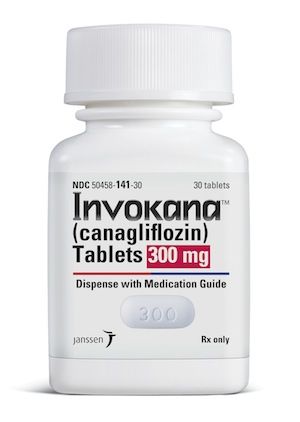
Canagliflozin is more popularly known as Invokana. It is the active ingredient in this widely prescribed diabetes medication.
According to the FDA’s Adverse Event Reporting System (AERS), the agency has identified 20 cases of acidosis that were more specifically reported as ketosis, ketoacidosis, and diabetic ketoacidosis.
All of these cases involved diabetic patients treated with SGLT2 inhibitors during March 2013 to June 6, 2014, and all 20 acidosis patients required a visit to the emergency room or hospitalization, according to the FDA report.
What is Diabetic Ketoacidosis?
Acidosis is a medical condition in which a person’s body fluid exhibits an increase in acidity. Ketoacidosis is a specific type of acidosis involving a high level of blood acids called ketones, which when overproduced by the body can lead to a serious condition for patients.
A person suffering from diabetes can develop diabetic ketoacidosis when their insulin levels are too low or even during periods of fasting, allowing the ketones to accumulate in the blood stream.
Since publishing this report, the FDA indicates that the agency continues to receive similar reports of type-2 diabetes patients suffering from ketoacidosis while taking Invokana and other SGLT2 diabetes medications.
The federal agency has requested that both doctors and patients report incidences of diabetic ketoacidosis to the FDA MedWatch program. In addition to acidosis, ketoacidosis, and diabetic ketoacidosis, incidences of acute kidney failure and other diabetes medication complications have been reported to AERS.
The reason the agency is so concerned with the development of diabetic ketoacidsis stemming from patients using type-2 diabetes medication like Invokana is that this condition usually occurs with type-1 diabetes patients, and rarely if ever develops in those suffering from type-2.
Some early signs of diabetic ketoacidosis to look out for if you or someone you know uses in Invokana or similar type-2 diabetes medications include:
- Difficulty breathing
- Nausea and vomiting
- Abdominal pain
- Confusion
- Unusual fatigue
- Dry or flushed skin
- Excessive thirst
- Dry mouth
- A fruity odor on the breath
- Frequent urination
- High blood sugar levels
- High levels of ketones in the urine
Should you or a loved one exhibit these symptoms, immediately contact your physician or local health care provider to determine if you have developed diabetic ketoacidosis. Only a medical professional can assess whether or not you should discontinue or switch your diabetes medication.
In general, diabetes medication lawsuits are filed individually by each plaintiff and are not class actions.
Do YOU have a legal claim? Fill out the form on this page now for a free, immediate, and confidential case evaluation. The attorneys who work with Top Class Actions will contact you if you qualify to let you know if an individual lawsuit or class action lawsuit is best for you. Hurry — statutes of limitations may apply.
ATTORNEY ADVERTISING
Top Class Actions is a Proud Member of the American Bar Association
LEGAL INFORMATION IS NOT LEGAL ADVICE
Top Class Actions Legal Statement
©2008 – 2026 Top Class Actions® LLC
Various Trademarks held by their respective owners
This website is not intended for viewing or usage by European Union citizens.
Get Help – It’s Free
Join a Free Diabetes Medication Class Action Lawsuit Investigation
If you or a loved one suffered ketoacidosis or kidney failure after taking Invokana, Invokamet, Farxiga, Xigduo XR, Jardiance or Glyxambi, you may have a legal claim. See if you qualify to pursue compensation and join a free diabetes medication class action lawsuit investigation by submitting your information for a free case evaluation.
An attorney will contact you if you qualify to discuss the details of your potential case.
Oops! We could not locate your form.